


Listen to the article
#
Supreme Court to Hear Case on Religious School Exclusion from Colorado Preschool Program
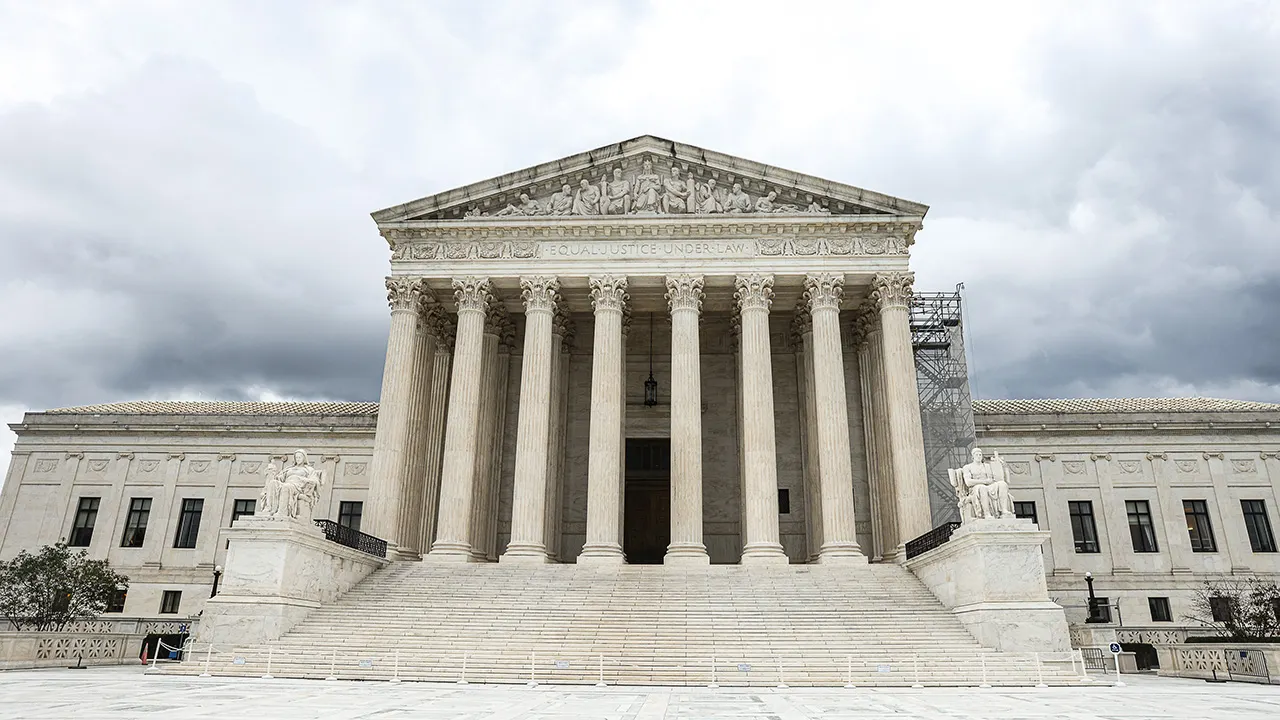
The Supreme Court has agreed to hear a case brought by a Catholic parish challenging Colorado’s exclusion of religious schools from a state-funded preschool program. The case, St. Mary Catholic Parish v. Roy, will examine whether the state can prevent families from using universal preschool funds at religious institutions.
Oral arguments are expected to take place this fall, adding another significant religious liberty case to the Court’s docket. The dispute centers around Colorado’s Universal Preschool Program (UPP), which provides funding for families to send their children to the preschool of their choice, whether public or private—with the notable exception of religious schools.
The Catholic parish argues that this exclusion amounts to religious discrimination and violates constitutional protections. The case builds upon recent Supreme Court precedents that have increasingly favored religious liberty claims in educational settings.
In recent years, the Court has ruled in favor of religious schools in several similar cases. In Espinoza v. Montana Department of Revenue (2020), the justices held that states cannot bar religious schools from public scholarship programs solely because of their religious status. Similarly, in Carson v. Makin (2022), the Court ruled that Maine could not exclude religious schools from a tuition assistance program that allowed parents to choose private schools.
Colorado’s preschool program, launched in 2023, provides up to 15 hours of free preschool education per week for all Colorado four-year-olds, with additional hours available for qualifying families. The program was designed to increase early childhood education access across the state, but its exclusion of religious providers has drawn criticism from faith-based organizations and religious liberty advocates.
Defenders of the state’s position argue that Colorado has legitimate interests in maintaining separation of church and state, particularly when it comes to public education funding. They contend that taxpayer dollars should not fund religious instruction, even indirectly through parental choice programs.
However, critics of Colorado’s policy point out that the program allows funds to flow to secular private schools while specifically excluding religious ones, creating what they view as an unconstitutional distinction based solely on religious status.
The case highlights ongoing tensions between religious freedom protections and concerns about government entanglement with religion. It also reflects broader national debates about school choice programs and whether they should include religious educational options.
Education experts note that approximately 30 states have some form of private school choice program, with varying approaches to the inclusion of religious schools. The Court’s decision could potentially impact these programs nationwide, influencing how states structure educational choice initiatives going forward.
Religious organizations across denominations are watching the case closely, as are educational policy experts and civil liberties groups. While religious conservatives typically favor inclusion of faith-based schools in choice programs, civil liberties organizations often express concerns about public funding flowing to institutions that may discriminate in hiring or admissions based on religious grounds.
The Supreme Court’s eventual ruling could have far-reaching implications for the relationship between government funding and religious education. If the Court rules in favor of St. Mary Catholic Parish, states may be required to include religious schools in programs that provide funding for private education. Conversely, a ruling upholding Colorado’s exclusion could affirm states’ ability to maintain stricter separation between public funding and religious education.
The case joins several other religious liberty disputes on the Court’s docket in recent years, signaling the justices’ continued interest in clarifying the constitutional boundaries between church and state in contemporary America.
Fact Checker
Verify the accuracy of this article using The Disinformation Commission analysis and real-time sources.

18 Comments
While the exclusion seems to raise religious discrimination concerns, the state may argue it’s necessary to maintain the integrity of the public preschool program. I’m curious to see how the Court weighs these competing interests.
That’s a fair point. The state likely has an interest in ensuring the program remains secular and accessible to all families, regardless of religious affiliation.
Interesting legal case on the intersection of religious liberty and public education funding. It will be important to see how the Supreme Court balances these competing interests.
Agreed, this is a complex issue with valid arguments on both sides. Will be interesting to see the Court’s reasoning and decision.
This case touches on the ongoing tensions between religious freedom and state interests in maintaining secular public institutions. It will be interesting to see how the Court balances these competing concerns.
Absolutely. The ruling could have significant implications for the scope of religious liberty protections and the ability of religious organizations to participate in publicly-funded programs.
The Supreme Court’s decision in this case will be closely watched, as it could set an important precedent on the extent to which religious schools can be excluded from state-funded education programs.
Agreed. This case has the potential to further shape the legal landscape surrounding the intersection of religion and public education funding.
This case could have broader implications for the role of religious institutions in the provision of publicly-funded social services and educational programs. It’s an issue worth following closely.
Definitely. The Court’s decision could set an important precedent with far-reaching impacts on church-state relations and the scope of religious liberty protections.
The exclusion of religious schools from this preschool program does seem to raise questions about potential religious discrimination. But the state also has an interest in maintaining separation of church and state.
You make a good point. It’s a challenging balance to strike, and the Court will need to carefully weigh the various constitutional principles at play.
Given the Court’s recent rulings favoring religious liberty claims in education, this case could set an important precedent. I’m curious to see if they uphold the exclusion or find it unconstitutional.
Yes, the Court’s past decisions suggest they may be inclined to rule in favor of the Catholic parish here. But the specifics of this case could lead to a more nuanced outcome.
This case touches on longstanding debates about public funding for religious institutions. It will be interesting to see how the justices navigate the complex legal and policy considerations.
Absolutely. The outcome could have significant implications for the ongoing church-state separation discussions in the education realm.
The exclusion of religious schools from this preschool program does seem at odds with the Supreme Court’s recent rulings favoring religious liberty claims. I’m curious to see how they navigate this case.
You raise a good point. The Court’s past decisions suggest they may be inclined to rule against the state’s exclusion policy, but the specifics of this case could lead to a more nuanced outcome.