


Listen to the article
Appeals Court Blocks Hawaii’s Pioneering Climate Change Tax on Cruise Ships
A federal appeals court has temporarily halted Hawaii’s groundbreaking climate change tourist tax on cruise ship passengers just before the new year, derailing what would have been the nation’s first such levy designed to address climate challenges.
The ruling, issued on New Year’s Eve by the 9th U.S. Circuit Court of Appeals, prevents Hawaii from enforcing the tax that was scheduled to begin in January 2026. The court granted injunction requests from both Cruise Lines International Association (CLIA), which filed the original lawsuit, and the U.S. government, which intervened in the case.
The controversial legislation, signed by Hawaii Governor Josh Green in May, aimed to generate nearly $100 million annually to combat climate-related issues affecting the island state, including eroding shorelines and increasing wildfire threats. The law would have imposed an 11% tax on cruise passenger fares, prorated for the days vessels spend in Hawaiian ports, with potential county surcharges of 3% bringing the maximum tax rate to 14%.
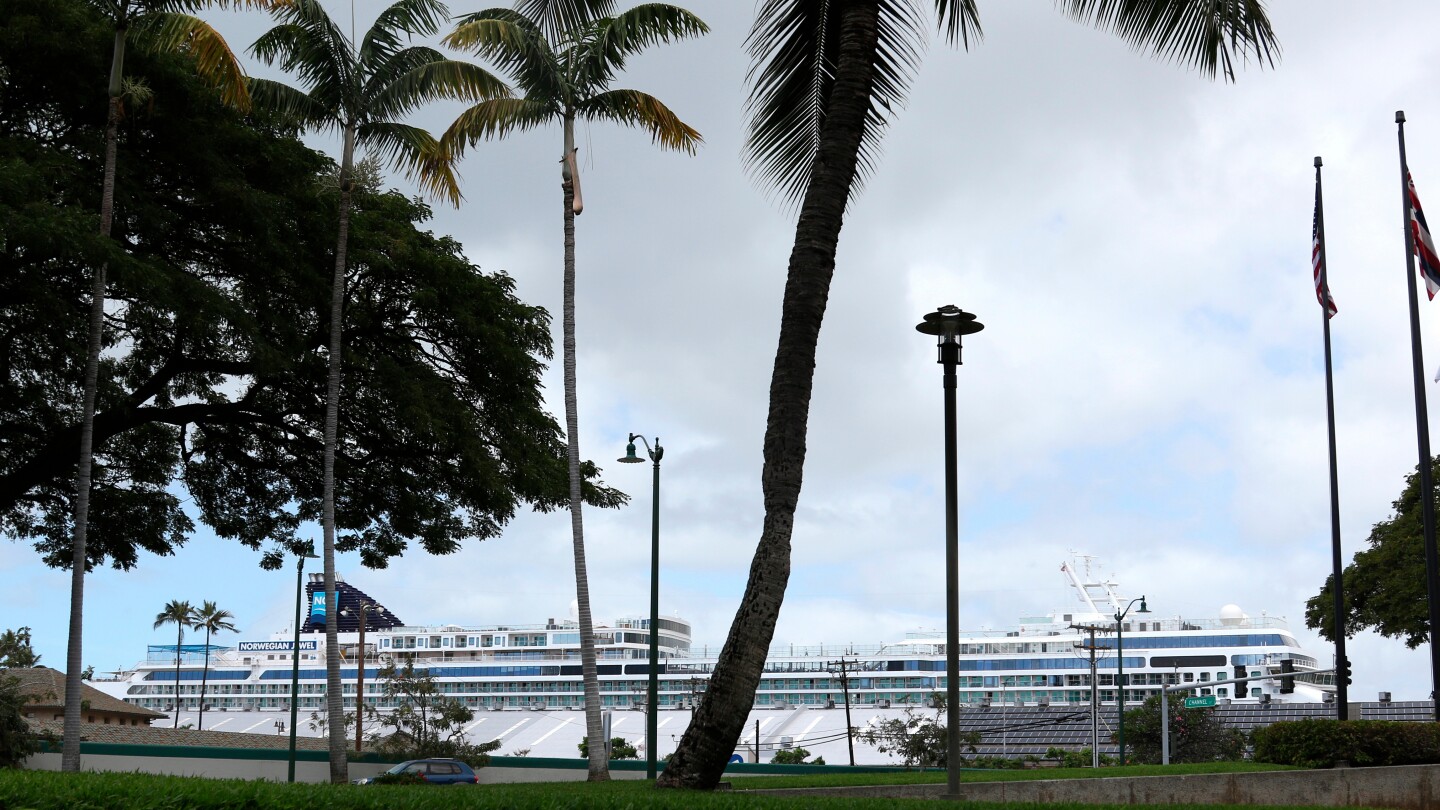
CLIA challenged the tax on constitutional grounds, arguing it violates federal law by effectively taxing cruise ships for the privilege of entering Hawaii ports. The industry group also expressed concerns that the additional costs would make Hawaiian cruises less affordable for travelers, potentially impacting tourism to the islands.
The appeals court’s decision reverses a lower court ruling by U.S. District Judge Jill A. Otake, who had upheld the law just days earlier. While the injunction specifically targets the cruise ship provisions of the law, other aspects of the climate legislation, including increased taxes on hotel rooms and vacation rental stays, remain unaffected by the ruling.
“We remain confident that Act 96 is lawful and will be vindicated when the appeal is heard on the merits,” said Toni Schwartz, spokesperson for the Hawaii attorney general’s office, emphasizing that the order only temporarily halts enforcement while the appeals process continues.
The legal challenge highlights the complex balance Hawaii faces as a tourism-dependent economy also grappling with significant climate change impacts. The state has experienced increasingly severe climate-related disasters in recent years, most notably the devastating Maui wildfires in August 2023 that killed at least 100 people and destroyed the historic town of Lahaina.
Tourism accounts for approximately 25% of Hawaii’s economy, making it the state’s largest industry. However, the sector also contributes to environmental pressures on the islands’ fragile ecosystems. State officials have been exploring various means to manage tourism’s impact while generating funds for climate resilience.
The cruise industry represents a significant segment of Hawaii tourism, with vessels bringing thousands of visitors to multiple islands during typical itineraries. The industry has argued that cruise ships already pay substantial fees and taxes to operate in Hawaiian waters and that this additional levy would create an unfair financial burden.
This case could establish important precedents for how states can fund climate adaptation measures, particularly in tourism-dependent economies most vulnerable to climate impacts. Several coastal states and island destinations worldwide are watching the outcome as they consider similar measures to fund climate resilience projects.
The timing of the appeals court ruling, coming on New Year’s Eve, left cruise industry representatives unable to provide immediate comment. The case will now proceed through the appeals process, with both sides preparing arguments for full consideration by the court.
If ultimately implemented, Hawaii’s climate tax would represent a significant shift in how tourism-dependent regions address the growing costs of climate adaptation, potentially creating a model for other destinations facing similar challenges from rising seas, extreme weather, and other climate-related threats.
Fact Checker
Verify the accuracy of this article using The Disinformation Commission analysis and real-time sources.

8 Comments
The cruise industry will likely resist any new taxes or levies, even if the intent is to address climate change. However, Hawaii’s coastal communities are already experiencing the effects of rising seas and extreme weather. Finding a fair and effective way to fund climate resilience efforts will be critical.
This ruling is a setback, but it shouldn’t deter Hawaii from continuing to pursue innovative ways to address climate change. While the cruise industry’s concerns are understandable, the state has a responsibility to protect its residents and natural resources. I hope Hawaii can find an approach that balances these interests.
This is a complex issue with valid arguments on both sides. While I sympathize with Hawaii’s need to address climate change, the cruise industry’s concerns about the tax’s legality and economic impact are also understandable. It will be interesting to see how the state responds and whether a compromise can be reached.
I’m curious to see how Hawaii responds to this legal challenge. While the cruise industry’s opposition is understandable, the state’s need to fund climate adaptation is pressing. Perhaps a revised tax structure or alternative policy approach could find a middle ground that balances these competing interests.
This is a high-stakes issue for Hawaii as it grapples with the impacts of climate change. The blocked cruise ship tax was an innovative attempt to generate climate funding, but the legal and industry pushback highlights the challenges in this space. I hope Hawaii can find an effective path forward.
This federal court ruling is a setback for Hawaii’s attempt to generate revenue to combat climate change through a tax on cruise passengers. The state will likely need to explore other options, perhaps focusing on broader tourism-related fees or emissions-based charges. It’s a complex issue with valid concerns on both sides.
The federal court’s decision to block Hawaii’s climate tax on cruise ships is disappointing, but not entirely surprising given the industry’s opposition. This highlights the difficulties in finding effective ways to fund climate action, especially when dealing with powerful corporate interests. Hawaii will need to persist in finding alternative approaches.
This is an interesting case around climate change taxes and cruise industry regulations. While the intent to address climate impacts is understandable, the legal and economic challenges appear complex. It will be important to see how this plays out and whether Hawaii can find alternative ways to fund climate adaptation efforts.