


Listen to the article
The Environmental Protection Agency is considering a significant regulatory shift that would exempt chemical plastic recycling facilities from the strict air pollution standards currently applied to incinerators, sparking concern among environmental advocates.
The potential rule change would reclassify pyrolysis—a key chemical recycling process that breaks down plastics using heat or chemicals—as manufacturing rather than incineration under the Clean Air Act. This reclassification could fundamentally alter how these facilities are regulated and what emissions controls they must maintain.
Environmental groups warn the move could lead to increased pollution in communities surrounding these facilities. Currently, incinerators must comply with Clean Air Act restrictions on nine air pollutants, including toxic particulates, heavy metals, and dioxins.
“You could have a facility that was controlled on a Monday, preventing those hazardous air pollutants from being emitted into the atmosphere, and on Tuesday, the facility would have legal permission to turn off installed pollution controls,” said John Walke of the Natural Resources Defense Council, who explained that reclassification would create a regulatory gap while new standards are developed.
The plastics industry, represented by the American Chemistry Council (ACC), has long advocated for this change, arguing that pyrolysis should not be regulated as incineration because its purpose is different.
“The definition of incineration is to destroy it, right? You’re literally trying to make it go away,” explained Ross Eisenberg, president of America’s Plastic Makers at the ACC. “That’s not what they’re doing here. They are trying to preserve it and recover the materials, which is recycling, which is manufacturing.”
The regulatory debate occurs against the backdrop of a growing global plastic waste crisis. Despite worldwide concerns about plastic pollution, with millions of tons entering the environment annually, recycling rates remain dismally low. According to the ACC’s own figures, more than 90% of plastics aren’t recycled at all.
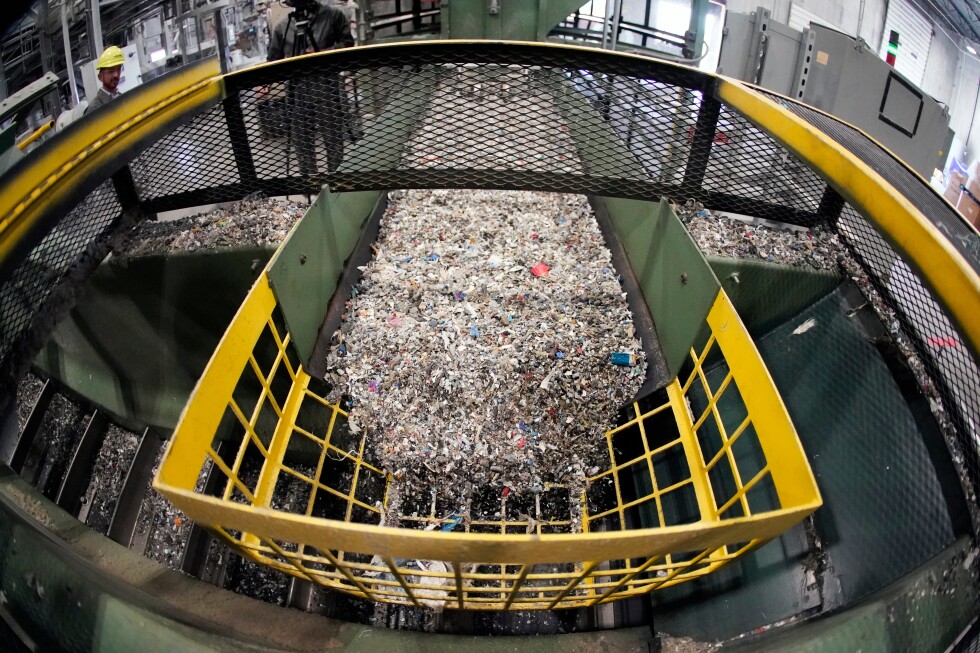
Chemical recycling has been promoted by industry as a promising solution. The process breaks plastics down into liquid and gas to produce an oil-like mixture or basic chemicals that can be used to make new plastics or fuels—what Eisenberg describes as “unbaking a cake.” Currently, there are six pyrolysis plants operating across five states (Ohio, Texas, North Carolina, Indiana, and Georgia), with additional facilities under construction in Arizona and West Virginia, plus a test project in Maryland.
Critics remain unconvinced. Judith Enck, a former EPA regional administrator who now heads the advocacy group Beyond Plastics, characterized the proposed change as creating “a much weaker level of environmental protection.” Environmental organizations argue that advanced recycling is simply waste disposal rebranded, distracting from more effective solutions like reducing plastic production and use.
The issue has become increasingly political. The ACC has successfully lobbied 25 states to regulate chemical recycling as manufacturing rather than waste disposal, and similar legislation is pending in Congress. Eisenberg acknowledged that the ACC has “made clear to the Trump administration that revising the Clean Air Act is a priority.”
The EPA, for its part, says the current regulation of pyrolysis under section 129 of the Clean Air Act has caused confusion for the industry due to vague language in a 2005 final rule. The agency is now considering recognizing these processes under section 111 instead.
Environmental advocates criticize how the EPA introduced this potential change, noting it appeared in a small section of a March notice primarily focused on air curtain incinerators. At a recent public hearing, speakers including members of Moms Clean Air Force urged the EPA to maintain the current regulatory framework.
This isn’t the first time such a change has been proposed. The Trump administration attempted a similar modification in 2020, which the Biden administration subsequently withdrew. If finalized now, the NRDC has indicated it would challenge the decision in court.
The debate highlights the tension between industry efforts to increase plastic recycling capacity and environmental concerns about air quality and public health protection. While chemical recycling proponents argue that state permits and other Clean Air Act provisions would still protect communities, environmental groups fear a significant reduction in oversight that could disproportionately impact vulnerable populations living near these facilities.
Fact Checker
Verify the accuracy of this article using The Disinformation Commission analysis and real-time sources.

14 Comments
Hmm, this proposed change raises red flags. Chemical recycling may have a role to play, but not at the expense of increased pollution. The EPA needs to put public welfare first and ensure any regulatory shifts don’t compromise air quality and community health.
This proposed EPA change is concerning. While chemical recycling can play a role in waste management, it shouldn’t come at the expense of increased pollution. The EPA must ensure any regulatory shifts don’t compromise air quality and public health in surrounding communities.
This proposed EPA change raises serious environmental concerns. Allowing chemical recycling facilities to bypass strict air pollution controls could lead to increased toxic emissions and air quality issues for surrounding communities. I hope the EPA carefully weighs the public health impacts before making such a consequential decision.
Agreed. Weakening emissions regulations for these facilities seems shortsighted and prioritizes industry interests over environmental protection. The EPA should be strengthening, not weakening, air pollution standards.
Allowing chemical recycling facilities to bypass strict air pollution controls is very worrying. While innovative recycling solutions are needed, this approach appears to prioritize industry profits over environmental protection. The EPA should reconsider this proposal and maintain robust emissions regulations.
I share your concerns. The EPA’s role is to safeguard the public, not enable increased pollution for the sake of industry interests. They need to carefully scrutinize this proposal and uphold their mandate to protect public health and the environment.
This is a concerning development. Chemical recycling may seem like a solution, but if it results in higher pollution levels, it’s counterproductive. The EPA needs to ensure any regulatory changes maintain robust safeguards to protect public health and the environment.
Absolutely. Reclassifying these facilities as ‘manufacturing’ rather than incineration is clearly an attempt to loosen oversight. The EPA should prioritize the wellbeing of local communities over industry interests in this case.
I’m curious to learn more about the EPA’s reasoning behind this proposed change. While chemical recycling can be a valuable waste management tool, it needs to be implemented responsibly with strict environmental controls. I hope the EPA hears from all stakeholders before making a final decision.
This is a complex issue, but the EPA’s primary duty should be protecting public health and the environment. Relaxing air pollution standards for chemical recycling facilities seems like a concerning step in the wrong direction. I hope the EPA carefully weighs the potential consequences.
Agreed. The EPA needs to be vigilant in upholding its mission, even when industry lobbying may push for laxer regulations. Maintaining robust environmental safeguards should be the top priority here.
This seems like a concerning policy shift by the EPA. While chemical recycling can be beneficial, loosening air pollution controls is risky and could lead to increased toxic emissions in surrounding communities. The EPA should prioritize robust environmental regulations over industry preferences in this case.
I’m troubled by the EPA’s consideration of this regulatory change. Reclassifying chemical recycling facilities to avoid strict air pollution standards is a worrying development that could compromise public health and the environment. The EPA needs to maintain its commitment to rigorous environmental protections.
Absolutely. The EPA has a responsibility to balance industry needs with its duty to safeguard communities and the natural environment. Relaxing emissions controls for these facilities is a dangerous precedent that the EPA should not pursue.