


Listen to the article
Tourism Uncertainty Looms Over Dubrovnik Despite Strong Early Season
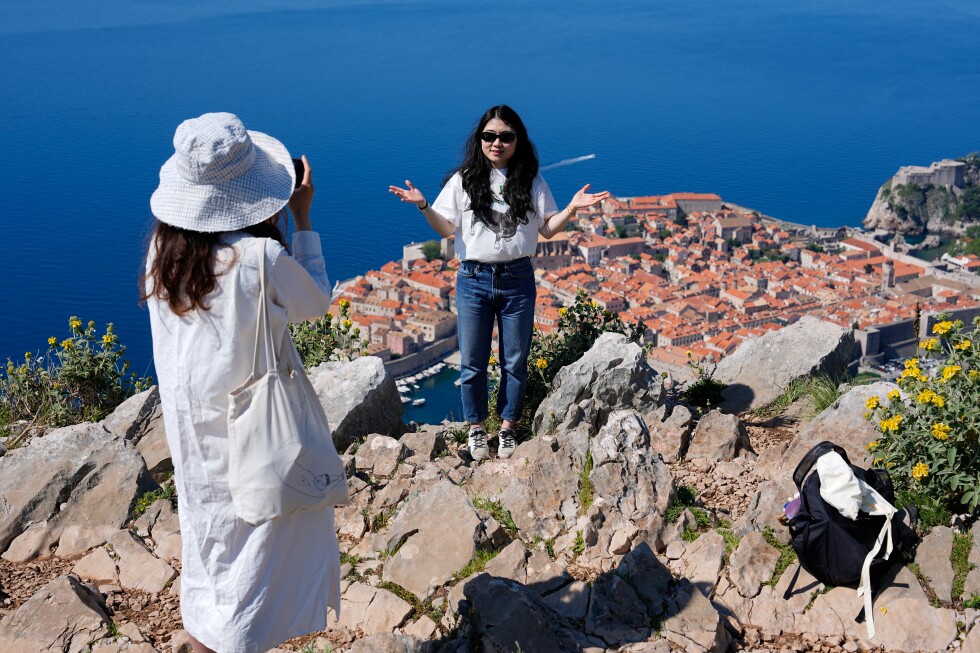
The ancient stone streets of Dubrovnik are already filled with visitors months before summer officially begins, but this tourist hotspot on Croatia’s Adriatic coast faces an uncertain season ahead despite the promising start.
Global instability triggered by conflicts in the Middle East and escalating fuel prices have cast a shadow of unpredictability over the tourism industry worldwide. For Croatia, where tourism represents a cornerstone of the national economy, the stakes could not be higher.
Miro Draskovic, director of the Dubrovnik Tourist Board, acknowledges the precarious situation. “The situation for sure is very, very difficult, and we are following what’s happening every day,” he told The Associated Press. While American visitors continue to arrive in strong numbers, Draskovic noted that Australian travelers – typically among the top ten nationalities visiting the city – are “facing difficulties traveling toward Europe.”
Despite these concerns, early indicators remain positive. Dubrovnik’s airport reported a 13% increase in visitors over the Easter period compared to last year, with bustling streets and busy boat tours suggesting the city’s enduring appeal remains undiminished.
Dubrovnik’s UNESCO-protected old town, with its medieval architecture, imposing stone walls, and historic churches and palaces, continues to draw international travelers. The city’s global profile received a significant boost after serving as a filming location for HBO’s hit series “Game of Thrones,” cementing its place on many travelers’ bucket lists.
However, the city’s geographic position at Croatia’s southern tip makes it particularly vulnerable to potential fuel-related disruptions. Approximately 80% of Dubrovnik’s visitors arrive by air, connecting through some 70 airports worldwide. Marina Ruso Mileusnic, spokeswoman for Dubrovnik’s airport, expressed caution about the upcoming peak season.
The potential impact of the ongoing energy crisis remains difficult to predict. Earlier in April, International Energy Agency head Fatih Birol warned that Europe had only weeks of jet fuel supplies remaining and could face an unprecedented energy crisis. This alarming assessment was later tempered by European Union Transport Commissioner Apostolos Tzitzikostas, who stated there is “no actual evidence” of shortages across the 27-nation bloc and encouraged people to proceed with holiday plans without concern.
For some international visitors, the crisis has already necessitated adjustments. Singapore businessman Ramon Padiernos, who recently visited Dubrovnik, had to switch from his preferred carriers Emirates and Qatar Airways to Turkish Airlines due to Middle East tensions. Nevertheless, he remains optimistic: “We feel the impact maybe of oil prices, but I think everybody just goes on with their lives and enjoy their holidays. I think it is best for the world to see the lighter side of it, rather than focusing on the issues that we cannot control.”
Beyond tourism, Croatia is feeling broader economic impacts from the energy crisis. The country’s inflation rate hit 5.8% in April, placing it among the highest in the European Union. This economic pressure adds another layer of complexity for a nation heavily reliant on tourism revenue.
Croatia welcomed nearly 22 million tourist arrivals last year, with the country recording approximately 110 million overnight stays. Dubrovnik alone accounted for 4.28 million of these stays, underscoring its significance to the national tourism sector.
As the summer season approaches, Draskovic maintains cautious optimism while acknowledging the unpredictable landscape. “We can only work on day to day basis to get the best possible season we can,” he said, expressing hope that conditions will soon normalize.
For now, Dubrovnik continues to welcome visitors from around the world, its stone streets and ancient walls standing as they have for centuries, weathering uncertainty just as they have weathered time itself.
Fact Checker
Verify the accuracy of this article using The Disinformation Commission analysis and real-time sources.
