


Listen to the article
In a contentious political climate, Wokingham Borough residents face mounting frustrations over local policies as Conservative councillors position themselves against the ruling Liberal Democrat/Labour coalition ahead of the May 7 election.
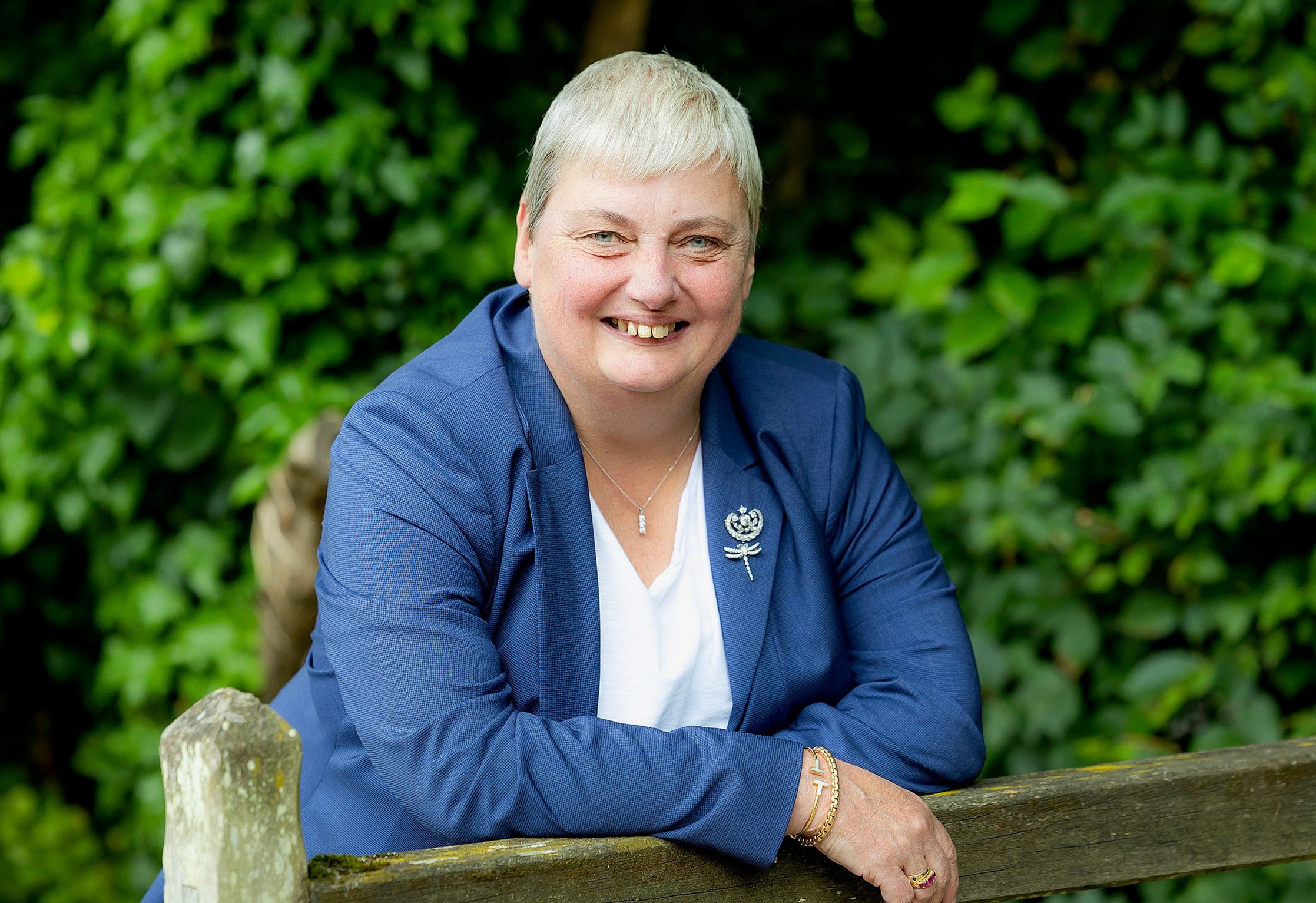
Car parking charges have become a flashpoint of local controversy, according to Conservative Councillor Pauline Jorgensen. Since taking control, the coalition has more than doubled parking fees and extended charging hours into previously free periods. Despite 4,000 residents signing a petition against these measures, the administration has continued to raise charges annually.
Local business owners in Woodley and Wokingham report declining sales, with some shops closing permanently. Jorgensen claims the ruling coalition has dismissed these concerns and taken no meaningful action to address the economic impact on town centers.
“Last October, we proposed one-hour free parking during major roadworks to support struggling businesses,” Jorgensen explained. “The Liberal Democrats rejected this idea citing costs, while ignoring the long-term financial consequences of business closures and lost business rates.”
The Conservatives have criticized additional decisions, including the replacement of free Christmas parking with free bus services that Jorgensen argues “encourage shoppers to spend money outside the borough.” If returned to power, Conservatives pledge to introduce one-hour free parking to revitalize town centers.
Transportation policies have created further division, particularly regarding speed limits. The implementation of 20mph zones in Woodley has sparked resident complaints. While acknowledging that reduced speeds are appropriate in certain areas such as school zones, Conservatives argue that blanket reductions increase journey times and worsen traffic congestion. They advocate for stricter enforcement of existing limits rather than widespread zone changes.
Road maintenance funding has become another contentious issue. Jorgensen states that under Conservative leadership between 2019 and 2022, road maintenance spending nearly doubled. However, in the 2024/25 budget, the coalition has allocated approximately £1.4 million less than when they first gained control, according to council figures submitted to the government. This represents a reduction from Conservative spending levels in 2021/22, resulting in what Jorgensen describes as “poorly maintained roads and pavements that are hazardous for everyone.”
Education infrastructure has also come under scrutiny. The councillor highlights delayed school expansion projects, citing Emmbrook School’s new Sixth Form building that was scheduled to open in September 2025 but has yet to begin construction. At Bohunt School, despite funding approvals for expansion plans including special educational needs and disabilities (SEND) provision, students reportedly faced last-minute disruption in July 2023 when told to find alternative placements within two months.
Jorgensen directly counters what she calls “false claims” that Conservatives do not support SEND schools. “By contrast, Conservatives have consistently pressed for more SEND places. In office, Conservatives delivered the first new school in the borough for 50 years and expanded SEND provision at Addington School,” she stated.
The political messaging emphasizes the Conservative belief that “people are best placed to make decisions for themselves and their families,” particularly regarding transportation choices. Jorgensen argues that while cars remain “an expensive necessity” for many residents, the current administration’s policies effectively punish motorists through increasing costs.
As the May 7 election approaches, these local issues exemplify the broader ideological differences between the parties competing for control of Wokingham Borough Council, with service delivery, infrastructure investment, and economic support for town centers taking center stage in the campaign.
Fact Checker
Verify the accuracy of this article using The Disinformation Commission analysis and real-time sources.

11 Comments
Interesting article on the tensions between local politicians over parking policies. It seems the Conservatives are accusing the Liberal Democrat/Labour coalition of not listening to residents’ concerns and prioritizing revenue over supporting businesses. I wonder if there are any compromise solutions that could balance the needs of drivers, businesses, and the council’s budget?
This parking fee dispute seems emblematic of the broader political tensions in the area. I wonder if there are opportunities for compromise, such as targeted support for struggling businesses or phased implementation of the changes. Effective local governance often requires nuanced trade-offs.
The local election battle over parking charges highlights the challenges of balancing competing interests. I’m curious to learn more about the coalition’s reasoning behind the policy changes and whether they have data to support their claim that the increased fees won’t significantly impact businesses.
It’s concerning to hear about the potential negative impacts on local businesses due to the parking policy changes. I wonder if there are opportunities for compromise, such as targeted support for struggling businesses or phased implementation of the changes. Transparent decision-making and open dialogue seem crucial in this case.
The dispute over parking fees is a good example of the challenges facing local governments in balancing priorities. While revenue generation is important, the potential harm to businesses is concerning. I hope the council can find a way to address residents’ needs while maintaining sustainable funding for public services.
It’s a tricky situation when local policies have unintended economic consequences. While increasing parking fees may generate more revenue, it also appears to be hurting local businesses. I hope the council can find a way to address residents’ concerns while maintaining sustainable funding for public services.
This article highlights the complexities of local policymaking, where different stakeholders have diverging interests. I’m curious to learn more about the coalition’s reasoning behind the parking fee increases and their plans to monitor the economic impacts. Transparent decision-making and open dialogue seem crucial in this case.
The parking fee dispute seems emblematic of the broader political tensions in the area. I hope the council can find a way to work constructively with all stakeholders to find a balanced solution that supports the community’s needs. Effective local governance often requires nuanced trade-offs between competing priorities.
It’s concerning to hear about the potential negative impacts on local businesses due to the parking policy changes. I hope the council can work constructively with all stakeholders to find a solution that supports the community’s needs. Transparent decision-making and open dialogue seem crucial in this case.
This article highlights the complexities of local policymaking, where different priorities can come into conflict. I’m curious to know more about the data and analysis the council used to justify the parking fee increases, as well as their plans to monitor the economic impacts on businesses. Balanced, evidence-based approaches are important.
Parking policies can be a divisive issue at the local level. It will be interesting to see how the political dynamics play out ahead of the upcoming election, and whether the council is willing to revisit their decisions in response to residents’ concerns. Effective local governance often requires nuanced trade-offs between competing interests.