


Listen to the article
Health Tech at CES Raises Questions About Accuracy and Privacy Amid Relaxed Regulations
Health technology innovations showcased at this year’s CES trade show in Las Vegas promised everything from smarter living through foot-scanning scales to AI-powered hormone tracking for conception. However, experts are raising concerns about the accuracy of these consumer health gadgets and the privacy of user data, particularly as federal oversight loosens.
The Food and Drug Administration announced during the Las Vegas event that it will ease regulations on “low-risk” general wellness products, including heart monitors and wheelchairs. This regulatory shift is part of a broader trend under the Trump administration, which has been dismantling barriers to AI innovation. The administration recently repealed former President Biden’s executive order establishing AI guardrails, and the Department of Health and Human Services has outlined a strategy to expand its AI utilization.
Despite these concerns, the health tech sector continues to grow rapidly within the $4.3 trillion healthcare industry. Many CES exhibitors focused on addressing healthcare gaps, particularly in rural areas experiencing doctor shortages, while others aimed to boost research in historically underfunded areas like women’s health or improve quality of life for people with disabilities.
Dr. Marschall Runge, professor of medical science at the University of Michigan, acknowledges that AI technologies offer significant benefits in healthcare, particularly for analyzing medical imaging and streamlining clinical workflows. However, he cautions that these technologies can perpetuate biases and sometimes “hallucinate,” presenting incorrect information as fact.
“I would urge people not to think that the technology is the same as a well-resourced, thoughtful, research-driven medical professional,” said Cindy Cohn, executive director of the digital rights group Electronic Frontier Foundation.
A major concern is data privacy. Unlike traditional medical information, data collected by consumer devices isn’t protected by regulations such as the Health Insurance Portability and Accountability Act (HIPAA). Companies could potentially use this information to train AI models or sell it to other businesses. Cohn criticized the lack of transparency, noting that consumers often have to dig through fine print to understand how their data will be used.
Product creators, however, defend their innovations as filling crucial healthcare gaps while maintaining strict privacy standards. Sylvia Kang, founder and CEO of Mira, developed an egg-shaped hormone tracker after realizing many of her friends trying to conceive lacked knowledge about their hormonal health. The $250 device works by analyzing urine samples with a monitoring device that sends results to an app.
“There was no such thing before,” Kang said, explaining that her company has developed one of the world’s largest hormonal health data banks, with information stored securely in the cloud and not shared with third parties.
Women’s health products were particularly prominent at CES, addressing a historical research gap. Before 1993, women were largely excluded from clinical trials, and areas like menopause remain understudied. Amy Divaraniya, founder and CEO of women’s health company Oova, emphasized this point during a session, noting that while not every woman will have a baby, all women experience menopause, “yet we know nothing about it.”
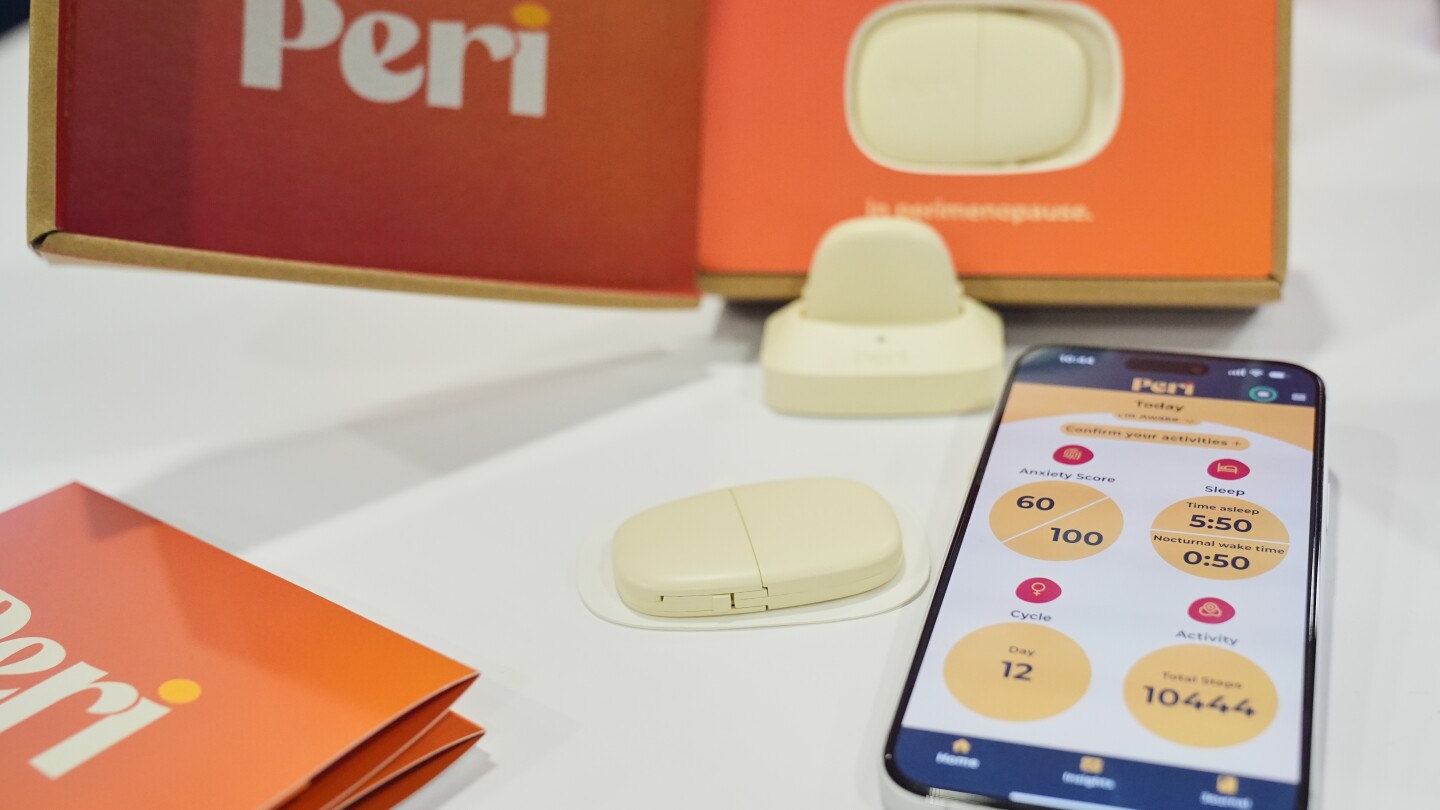
One innovative device called Peri aims to better understand perimenopause by monitoring symptoms like hot flashes and night sweats, then providing data through an app.
Other products focused on improving healthcare accessibility. The free medicine-focused AI chatbot 0xmd provides medical information in areas with doctor shortages. Users can ask medical questions, upload photos of skin concerns, or submit doctors’ notes for simplified explanations. Allen Au, the chatbot’s founder, emphasized, “At the end of the day, I don’t think we will replace doctors,” but noted it can offer valuable second opinions. OpenAI recently announced a similar platform called ChatGPT Health.
Despite the promise of these technologies, Cohn remains cautious about consumer health tech. While such tools can help patients prepare appropriate questions for healthcare providers, they shouldn’t replace professional medical care.
“People need to remember that these are just tools; they’re not oracles who are delivering truths,” she concluded.
Fact Checker
Verify the accuracy of this article using The Disinformation Commission analysis and real-time sources.

8 Comments
The push for AI-powered health gadgets at CES raises valid concerns about accuracy and privacy. As regulations ease, consumers need to be cautious about the reliability and data security of these new devices.
Agreed. More transparency from manufacturers on testing and data practices would help build trust with users.
This article highlights the double-edged sword of AI-powered health tech. The convenience and accessibility could be a game-changer, but not at the expense of reliable data and robust privacy safeguards.
I’m curious to see how the regulatory landscape evolves for AI health devices. While they have potential to improve access, the risks around data privacy and accuracy need to be carefully managed.
Absolutely. Striking the right balance between innovation and responsible development will be crucial as this technology advances.
The rapid growth of health tech is exciting, but I share the experts’ caution. Without proper standards and accountability, AI-powered gadgets could do more harm than good, especially in underserved rural areas.
It’s concerning to see the administration rolling back AI safeguards in healthcare. Relaxed oversight could lead to faulty or misleading products hitting the market. Regulators need to strike a balance between innovation and consumer protection.
That’s a good point. Robust testing and validation should be required, even for ‘low-risk’ wellness devices, to ensure patient safety.