


Listen to the article
The Art and Science of Composting: Transforming Waste into Garden Gold
Transforming kitchen scraps and yard waste into nutrient-rich soil amendment represents one of gardening’s most sustainable practices. Composting not only diverts organic matter from landfills but also creates a premium soil enhancer that professional gardeners often refer to as “black gold.”
“Compost is the single best additive available for improving any soil type,” says Jessica Damiano, a gardening expert. “Is your soil too sandy? Add compost. Too dense? Add compost. Lacking nutrients? Add compost!”
Unlike commercial fertilizers, compost works as a universal soil improver, increasing the water-holding capacity of sandy soils while enhancing drainage in clay soils. Perhaps most importantly, it introduces billions of beneficial microorganisms that create a living ecosystem to nourish plants over time.
Starting Your Compost Operation
Before beginning your composting journey, decide whether an open pile or contained system works best for your situation. Commercial compost bins and tumblers typically range from $50 to $300, offering a tidy solution for those concerned about aesthetics.
However, a simple pile in a back corner of your yard works just as effectively at a fraction of the cost. Many gardeners opt for a middle-ground approach by creating a DIY composting bin from chicken wire formed into a circular shape and secured with twine or zip ties.
Location matters when positioning your compost system. The ideal spot should be convenient enough to encourage regular use but perhaps not directly adjacent to outdoor living spaces. Despite common misconceptions, a properly maintained compost pile doesn’t produce unpleasant odors.
Balancing the Ingredients
Successful composting relies on maintaining the proper balance between two categories of materials: “browns” and “greens.”
Browns, which should comprise 50% or slightly more of your pile, include carbon-rich materials such as:
- Dry leaves
- Spent perennial plants
- Small twigs
- Undyed leather pieces
- Paper products
- Straw
Greens, which should make up the remaining portion, are nitrogen-rich materials such as:
- Grass clippings
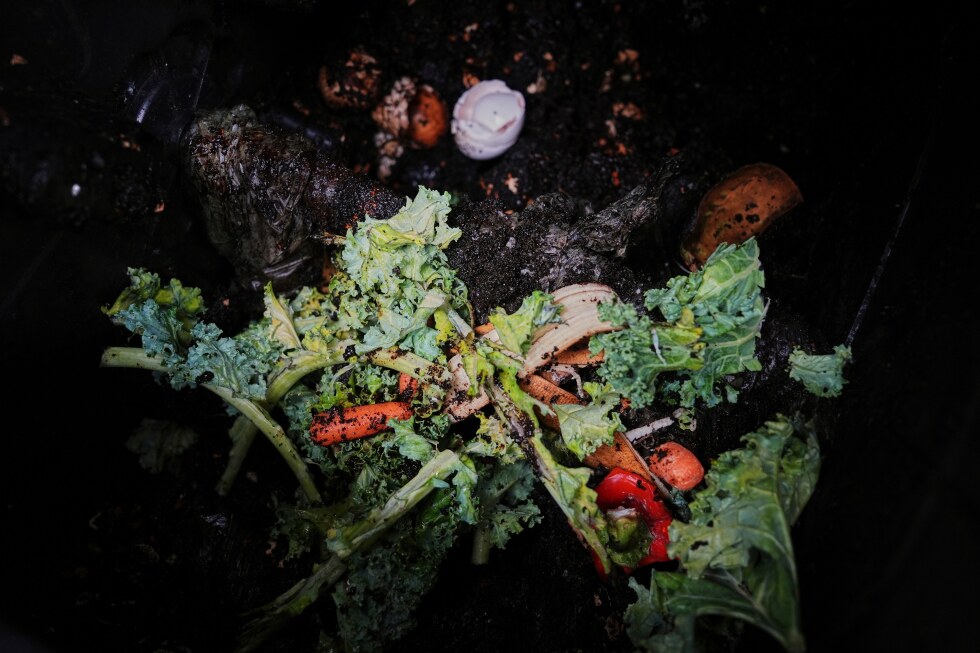
- Fruit and vegetable scraps
- Freshly pulled weeds (without seeds)
- Coffee grounds
- Cornstarch packing peanuts
For faster decomposition, chop or tear larger items like banana peels into smaller pieces before adding them to your pile.
Certain materials should never enter your compost. Avoid meat, fish, dairy products, fats and oils, as these can attract pests and create odor problems. Also exclude diseased plants, weeds with seeds, and any non-biodegradable items like plastic or glass. While manure from herbivores (rabbits, horses, cows) can be beneficial, waste from carnivorous animals should be excluded entirely.
Maintaining Your Compost
Proper moisture management is crucial for efficient decomposition. The pile should remain consistently moist but not waterlogged—similar to a wrung-out sponge. Monitor moisture levels regularly, especially during dry periods, and add water as needed when incorporating new materials.
As decomposition progresses, bacterial activity generates heat at the pile’s center, effectively “cooking” the materials. Turn the pile with a pitchfork or spade approximately twice weekly to distribute this heat evenly throughout the mass. If using a tumbler, regular rotation serves the same purpose.
Composting timelines vary considerably based on management practices and pile size. Small, regularly turned piles with proper moisture may produce finished compost in two to three months, while larger or neglected piles might require up to two years to fully decompose.
The finished product should appear dark and crumbly with an earthy aroma, resembling rich soil. Larger pieces that haven’t fully decomposed can be sifted out using a screen—use a 1/2-inch mesh for garden beds and potting mixes, or a finer 1/4-inch screen for seed-starting mediums.
Putting Compost to Work
Once ready, compost can be incorporated into new planting beds, mixed into container soils, spread thinly over lawns, or used as protective mulch around established plants. Unlike synthetic fertilizers, compost releases nutrients slowly while improving soil structure and fostering beneficial soil biology.
“It will provide slow-release nutrients, fortify roots, and create rich, healthy soil that will support and protect your plants over time,” Damiano notes.
By establishing a composting routine, gardeners not only reduce household waste but also create a renewable resource that supports healthier plants while reducing dependence on commercial soil amendments. The environmental benefits extend beyond the garden, making composting one of the most accessible forms of sustainable living available to homeowners.
Fact Checker
Verify the accuracy of this article using The Disinformation Commission analysis and real-time sources.

22 Comments
The cost guidance is better than expected. If they deliver, the stock could rerate.
Good point. Watching costs and grades closely.
I like the balance sheet here—less leverage than peers.
Nice to see insider buying—usually a good signal in this space.
Production mix shifting toward Business might help margins if metals stay firm.
If AISC keeps dropping, this becomes investable for me.
The cost guidance is better than expected. If they deliver, the stock could rerate.
Good point. Watching costs and grades closely.
The cost guidance is better than expected. If they deliver, the stock could rerate.
Nice to see insider buying—usually a good signal in this space.
Uranium names keep pushing higher—supply still tight into 2026.
If AISC keeps dropping, this becomes investable for me.
Good point. Watching costs and grades closely.
Good point. Watching costs and grades closely.
Exploration results look promising, but permitting will be the key risk.
Good point. Watching costs and grades closely.
Silver leverage is strong here; beta cuts both ways though.
Good point. Watching costs and grades closely.
Good point. Watching costs and grades closely.
Nice to see insider buying—usually a good signal in this space.
Good point. Watching costs and grades closely.
Interesting update on Composting: How to do it and why it’s worth it. Curious how the grades will trend next quarter.