


Listen to the article
Investigation Reveals Shadow System of Institutions for Adopted Children
An extensive investigation by the Associated Press has uncovered a troubling pattern within the loosely regulated “troubled teen industry,” where adopted children are dramatically overrepresented in for-profit residential facilities. While adoptees make up only 2% of American children, they account for an estimated 25-40% of youth in residential treatment programs across the country.
The investigation, based on interviews with dozens of program attendees, their families, former employees, officials, attorneys, and experts, reveals how businesses originally focused on “tough-love” approaches for wealthy rebellious teens have pivoted to target adoptive families struggling with their children’s behavior.
Many adoptees interviewed described being institutionalized for years in what they characterized as prison-like environments, despite having committed no crimes and with no judicial oversight of their confinement. Unlike juvenile detention, where judges determine sentences, parents alone typically decide when to send children to these facilities and for how long.
“We were promised forever homes but ended up institutionalized instead,” said one former resident who spoke with AP investigators. Many described living in constant fear while confined in these facilities.
Questionable Diagnoses Drive Admissions
A key factor driving adoptees into these institutions appears to be the controversial diagnosis of reactive attachment disorder (RAD). Many facilities, charging up to $20,000 monthly, market themselves as specialists in treating this condition in adopted children.
However, mental health experts say most teenagers in these facilities almost certainly don’t have RAD, which is extremely rare and primarily affects children under age five who experienced severe early-life neglect.
Brian Allen, a psychologist who runs the mental health program at Penn State’s Center for the Protection of Children, studied 100 adopted and foster children brought in for treatment. While approximately 40% had previously been diagnosed with RAD, not a single one actually met the clinical criteria.
“It’s been too corrupted,” Allen said of the diagnosis, arguing it should be removed from the Diagnostic and Statistical Manual of Mental Disorders entirely.
Sloan Nova, a psychologist at the University of California in San Francisco who was adopted from South Korea and later placed in a residential facility as a teen, described how these centers make “a very seductive promise” to desperate parents. “It just sounds almost too good to be true,” she said.
A Profitable Industry with Limited Oversight
The investigation identified at least 80 private facilities advertising treatment specifically for adoption-related issues. What began as small operations with behavioral modification approaches often rooted in Christian teachings has evolved into a commercialized industry attracting private equity investment.
Financial analyst Raj Kumar of Stephens financial services firm noted that these centers promise healthy 20% profit margins, achieved by minimizing staffing costs while maximizing the duration of children’s stays—a model made possible by minimal regulation compared to other healthcare settings.
One company highlighted in the investigation, Family Help & Wellness, operates more than a dozen facilities nationwide and faces multiple lawsuits alleging abuse. In a statement to the AP, the company said it supports stronger industry regulations and is committed to improving care practices. However, in the past two years, two of the company’s North Carolina properties have closed after children died there.
Personal Accounts of Institutional Life
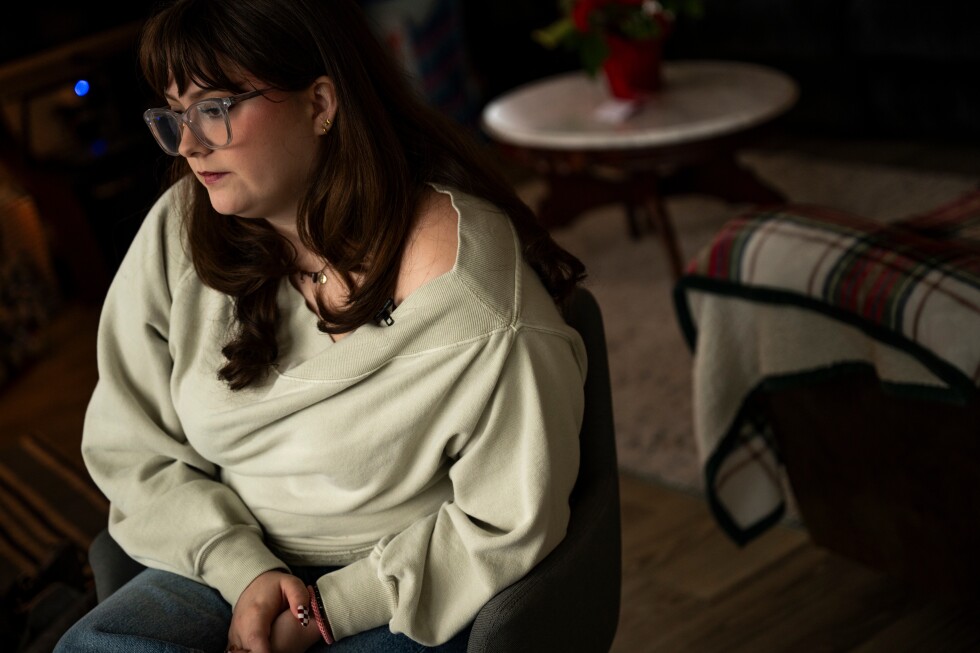
Former residents described disturbing treatment methods. Kate, who spent most of her teenage years in institutions including two acquired by Family Help & Wellness, recounted being physically restrained at age 13 after having a panic attack on her first night at Uinta Academy in Utah.
She described staff throwing her face-first into carpet, pinning her down while she struggled to breathe. Kate also reported that residents were required to maintain neutral expressions at all times—no sighing, frowning or crying—with punishments including scrubbing floors with toothbrushes or working outdoors in extreme heat.
A congressional investigation led by Senator Ron Wyden of Oregon corroborated such accounts across the country. His report, titled “Warehouses of Neglect,” documented improper physical restraints, inadequate mental healthcare, and widespread physical, sexual, and emotional abuse.
The report concluded these facilities often function more like juvenile detention centers than therapeutic environments—with the crucial difference that children held there have not been convicted of any crime and have no recourse to judicial review of their confinement.
For many adoptees, the experience represents a painful irony: the very system meant to provide them permanent, loving homes has instead channeled them into institutional settings reminiscent of the orphanages adoption was designed to prevent.
Fact Checker
Verify the accuracy of this article using The Disinformation Commission analysis and real-time sources.

7 Comments
This is a very troubling investigation. The overrepresentation of adopted children in these for-profit facilities is deeply concerning. More oversight and regulation is clearly needed to protect vulnerable youth.
The characterization of these facilities as “prison-like environments” is quite disturbing. Adopted children deserve compassionate support, not harsh confinement. This is a serious human rights issue that demands action.
Absolutely. These children have already faced significant trauma, the last thing they need is further abuse and deprivation of liberty. The system clearly needs comprehensive reform.
It’s alarming that these businesses are targeting adoptive families and subjecting children to essentially arbitrary confinement without judicial oversight. This needs to be addressed to prevent further abuse of these vulnerable young people.
I agree, the lack of accountability and due process is appalling. These facilities seem to be operating in a legal gray area that urgently requires reform.
This investigation sheds important light on a deeply troubling problem. The exploitation of adoptive families and the systematic confinement of vulnerable youth is unacceptable. Meaningful change is urgently needed.
The statistics on the overrepresentation of adopted children in these facilities are simply staggering. This points to systemic issues that must be addressed through policy reform and stronger regulatory oversight.