


Listen to the article
When Alma Figueroa learned that her gas provider planned to test a hydrogen-natural gas blend in her community, alarm bells rang. Diagnosed with asthma and battling a recurrence of lung cancer, the 60-year-old Orange Cove resident fears becoming an unwitting test subject.
“I don’t want to be anyone’s experiment,” said Figueroa, voicing concerns shared by many in this predominantly Latino farming town in California’s Central Valley.
Southern California Gas Co. (SoCalGas) has proposed an 18-month pilot project to blend hydrogen with natural gas in Orange Cove’s existing infrastructure. The initiative follows a directive from California regulators for utilities to launch hydrogen blending pilots statewide, part of the state’s broader effort to develop safety standards for this emerging technology.
Proponents view hydrogen blending as a strategic pathway to reduce carbon emissions while utilizing existing gas infrastructure. California Governor Gavin Newsom has described hydrogen as “an essential aspect of how we’ll power our future and cut pollution.” The $64.3 million Orange Cove project, funded by ratepayer money, would blend up to 5% hydrogen into the local gas supply for the town’s approximately 10,000 residents and businesses.
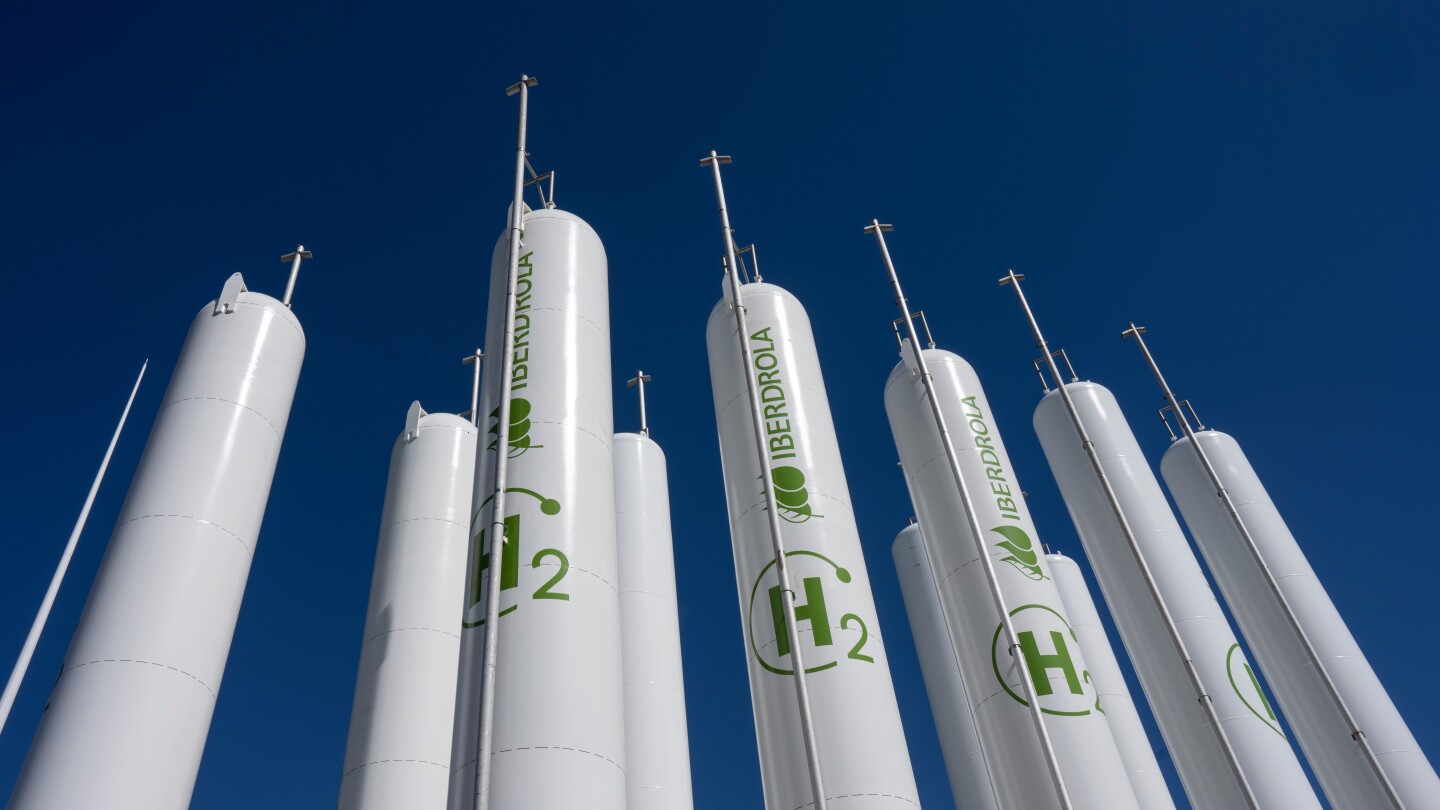
A solar farm would power the electrolysis process that produces “green hydrogen” by splitting water into oxygen and hydrogen. Similar projects have been proposed in Colorado and Oregon, while Hawaii has been blending hydrogen with natural gas for decades.
“The way to move us away and really clean our air and minimize our reliance on fossil fuels is by having a viable alternative,” said Janice Lin of the Green Hydrogen Coalition. She emphasized the potential to repurpose America’s vast network of gas pipelines—approximately 3 million miles according to the Department of Energy—to transport clean hydrogen.
Natural gas consists primarily of methane, a potent greenhouse gas accelerating climate change and extreme weather events that disproportionately affect low-income communities and people of color. A Minneapolis utility estimated that a 5% hydrogen blend could reduce carbon pollution by about 1,200 tons annually, equivalent to removing 254 gas-powered cars from the road.
However, the initiative faces mounting opposition from Orange Cove residents who say they’ve been left out of the decision-making process despite potential health and safety risks. The town, where 39% of residents live in poverty according to Census data, already suffers from the highest asthma rates in Fresno County.
“I think the only reason they are wanting Orange Cove is because they don’t think there’s going to be pushback,” Figueroa said. Residents have launched a petition against the project and voiced concerns at public meetings, repeatedly requesting a town hall that has yet to materialize.
Scientific research highlights several risks associated with hydrogen blending. Studies show that burning hydrogen-blended gas in older appliances can increase emissions of nitrogen oxides, pollutants that exacerbate respiratory conditions including asthma. Hydrogen’s smaller molecules can leak more easily through certain materials and, being more flammable than natural gas, potentially increase explosion risks.
Ryan Sinclair, an environmental microbiologist at Loma Linda University, warns that homes with older appliances are particularly vulnerable. “In older infrastructure, a 5% mix can bump nitrogen oxides emissions an average of 8%,” he noted, adding that Orange Cove’s low-income residents may lack means to replace or maintain aging gas appliances. Unlike wealthier communities, they cannot simply opt out by switching to electric appliances.
The project’s trajectory raises questions about environmental justice. SoCalGas initially proposed testing hydrogen blending at the University of California, Irvine, in an affluent area, but scaled back after protests. When Orange Cove’s leaders expressed interest, the company identified the city as ideal due to its varied pipeline materials and single gas feed allowing greater control of the blend.
Orange Cove’s city council voted unanimously to support the project. At an August public hearing, Mayor Diana Guerra Silva highlighted potential workforce opportunities for youth and increased business from visitors. However, many residents feel their concerns are being ignored.
“We are not against change or clean energy,” said resident Francisco Gonzalez, who has friends and family with respiratory conditions, “but we are against being left out of the conversation.”
Environmental groups argue hydrogen should be reserved for hard-to-electrify sectors like aviation, cement, or steel manufacturing rather than residential applications where electrification offers more efficient emission reductions. Some researchers also caution that hydrogen itself can indirectly contribute to global warming through interactions with other atmospheric gases.
The fate of the Orange Cove project and four other proposed California pilots now rests with the California Public Utilities Commission, which is expected to decide later this year. If approved, SoCalGas has committed to implementing safety measures including leak surveys, detection technology, and backflow prevention.
Meanwhile, the broader hydrogen economy faces uncertainty after the Trump administration’s cancellation of billions in federal funding for clean energy projects, including $1.2 billion earmarked for a California hydrogen hub.
Fact Checker
Verify the accuracy of this article using The Disinformation Commission analysis and real-time sources.

9 Comments
This hydrogen blending pilot is an interesting approach, but the health and safety implications need to be the utmost consideration. Residents like Alma Figueroa deserve to have their voices heard and concerns addressed.
Hydrogen has potential to reduce carbon footprints, but safety should be the top priority. I’m curious to see the results of this pilot project and how the utility plans to mitigate any risks to residents like Alma Figueroa.
Hydrogen could be a valuable tool in the fight against climate change, but the risks need to be fully understood. This pilot project in Orange Cove is an important step, but the utility needs to prioritize public safety and address local residents’ worries.
Blending hydrogen into natural gas is an intriguing idea, but the safety and health implications need to be carefully considered. Residents like Alma Figueroa raise valid concerns about becoming unwitting test subjects. Rigorous testing and community input will be crucial.
This is a complex issue with valid arguments on both sides. While the environmental benefits of hydrogen blending are appealing, the health and safety of local residents must be the top priority. I’ll be following this story closely to see how the utility navigates these challenges.
Hydrogen blending could be a valuable tool in the fight against climate change, but the potential risks to public health and safety cannot be overlooked. I hope the utility works closely with the local community to ensure this initiative is implemented responsibly and with the utmost care.
Hydrogen blending could be a valuable tool in the fight against climate change, but the potential risks cannot be overlooked. I hope the utility works closely with residents like Alma Figueroa to address their valid concerns and prioritize safety above all else.
Mixing hydrogen into natural gas could be a game-changer, but the details matter. I hope the utility listens closely to community concerns and implements robust safety measures before moving forward with this experiment.
As California pushes to cut emissions, hydrogen blending is a promising concept. However, the impact on existing infrastructure and vulnerable populations must be carefully evaluated. Transparent communication and community engagement will be key to the success of this initiative.