


Listen to the article
Bulgaria Joins Euro Currency Union Amid Political Turbulence and Public Skepticism
Bulgaria will become the 21st country to join the euro currency union on New Year’s Day, marking a significant milestone in its European integration journey. The transition from the lev to the euro represents one of Bulgaria’s most substantial achievements since its 1989 shift from a Soviet-style economy to democracy and free markets.
The move comes with high expectations from supporters who believe adopting the euro will attract more foreign investment and strengthen Bulgaria’s ties with wealthier Western European nations. However, the historic currency change is unfolding against a backdrop of political instability and widespread public apprehension.
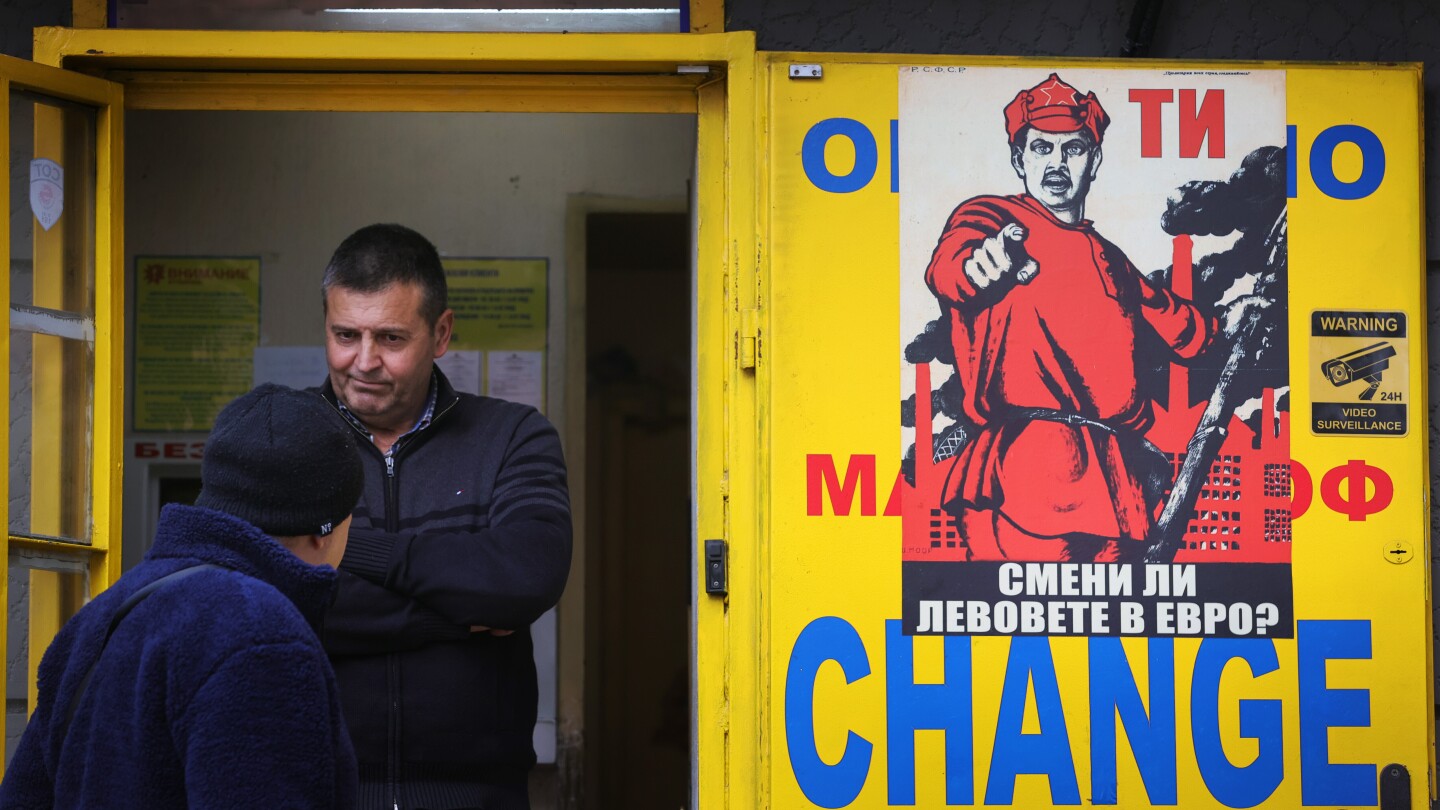
Recent polls reflect considerable skepticism among Bulgarians. A Eurobarometer survey conducted between October and November showed approximately half of Bulgarians oppose adopting the single currency, while only 42% support the change. This reluctance stems partly from fears that merchants will use the currency conversion to raise prices at a time when inflation has already rebounded to 3.7%.
The government successfully navigated the euro adoption process by reducing inflation to 2.7% earlier this year, meeting EU requirements and securing approval from European leaders. However, this accomplishment was quickly overshadowed by political chaos when the government resigned amid nationwide anti-corruption protests after less than a year in office.
The resignation has left Bulgaria without a regular budget for the upcoming year, hindering plans for structural reforms and decisions on EU support funds. The country now faces its eighth election in five years, expected in spring.
“Bulgaria is a full member of the European Union, and its rightful place is alongside the other developed and democratic European nations,” said 64-year-old Nevelin Petrov, who welcomes the euro. “I am convinced that the adoption of the euro will contribute to the long-term prosperity of our country.”
Others remain cautious. Darina Vitova, who runs a pedicure salon in Sofia, believes the transition is happening too quickly, despite supporting it in principle. “The standard of living and incomes in our country are far from those in the richest European countries, while prices here are rising and life for the average person will become more difficult,” she explained.
Bulgaria, with 6.4 million people, remains one of the EU’s poorest members, with an average monthly wage of approximately 1,300 euros ($1,530). While all EU member countries commit to eventually adopting the euro, some nations like Poland have demonstrated strong economic growth without making the currency switch.
Opponents of euro adoption have fueled concerns about increased poverty and loss of national identity. Social media platforms have become breeding grounds for disinformation, including false claims about potential bank account confiscations. Nationalist and pro-Russian groups have seized on these fears, organizing anti-euro rallies in May and September, though these demonstrations remained smaller than the mass protests that toppled the government.
Dimitar Keranov, program coordinator at the German Marshall Fund in Berlin, believes the anti-euro disinformation spread by pro-Russian politicians aims “to reduce support for the European Union, NATO and Ukraine.” He added, “The further Bulgaria advances in its European integration, the harder it becomes for Russia to influence the country.”
Petar Ganev from the Sofia-based Institute for Market Economics warns that the government’s resignation has sent a signal of uncertainty to foreign investors. “Instead of capitalizing on euro adoption as a strong and positive signal to the international community, we risk sending the opposite message,” Ganev told the Associated Press.
Economists predict the currency change will not dramatically alter Bulgaria’s economy, primarily because the lev has been pegged to the euro since 1999 at a fixed rate of 1 lev for every 51 euro cents. Both currencies will be accepted for cash payments throughout January, though change will only be given in euros.
As Bulgaria enters this new economic chapter, the success of the euro adoption will depend largely on the country’s ability to address its persistent political instability and corruption challenges while navigating public concerns about the practical implications of the currency transition.
Fact Checker
Verify the accuracy of this article using The Disinformation Commission analysis and real-time sources.

19 Comments
It’s a bold move for Bulgaria to join the eurozone amid internal turbulence. The public’s inflation fears are understandable, so ensuring a smooth transition will be crucial.
Absolutely. The government will need to demonstrate strong fiscal discipline and consumer protections to build confidence in the euro.
It’s an interesting time for Bulgaria to join the eurozone, given the political and economic challenges. Ensuring a transparent and well-managed transition will be key to addressing public concerns.
Bulgaria’s euro adoption is a significant step in its EU integration, but the public’s skepticism reflects real economic concerns. Careful management of the changeover will be critical.
Joining the eurozone is a significant achievement for Bulgaria, but the public’s skepticism reflects valid economic concerns. Ensuring a smooth and transparent transition will be critical.
Bulgaria’s euro adoption is a sign of continued EU expansion, but the domestic political and economic uncertainties make the timing somewhat precarious. Monitoring will be important.
Adopting the euro is a major geopolitical and economic shift for Bulgaria. It will be interesting to see if it helps attract more foreign investment as hoped, despite the public skepticism.
Good point. The currency change could boost Bulgaria’s standing in the EU, but a lot will depend on how effectively the government addresses inflation concerns.
The euro adoption is a major geopolitical shift for Bulgaria, though the domestic turmoil raises some questions. Curious to see how the government manages the public’s inflation fears.
Good point. Bulgaria will need to demonstrate strong fiscal discipline and consumer protections to build confidence in the euro during this transition.
Interesting to see Bulgaria become the 21st country in the eurozone. The political and economic challenges underscore the complexities of EU expansion and currency unification.
Well said. This move will test Bulgaria’s ability to align its economy with the EU’s monetary policies, while addressing domestic inflation fears.
The euro adoption represents a significant milestone for Bulgaria’s European integration, though the timing amid domestic instability raises some questions. Curious to see how it plays out in practice.
Absolutely, Bulgaria will need to carefully manage the changeover to build public trust in the euro. Transparency and consumer protection measures will be critical.
Bulgaria’s euro changeover represents deeper EU integration, though the political and economic uncertainties make the timing somewhat risky. It will be important to monitor how this plays out.
Absolutely. The government will need to strike a careful balance between meeting EU requirements and addressing domestic concerns over price hikes.
Interesting to see Bulgaria joining the eurozone amid concerns over inflation and political turmoil. It will be important to monitor if the currency conversion is handled transparently to avoid price gouging.
Agreed, the public skepticism is understandable given the economic challenges. Proper safeguards and public education will be key for a smooth transition.
The euro adoption is a major milestone for Bulgaria, but the public’s inflation worries are understandable. Transparency and consumer protections will be key to a successful transition.