


Listen to the article
Classic Characters Betty Boop and “Blondie” Enter Public Domain
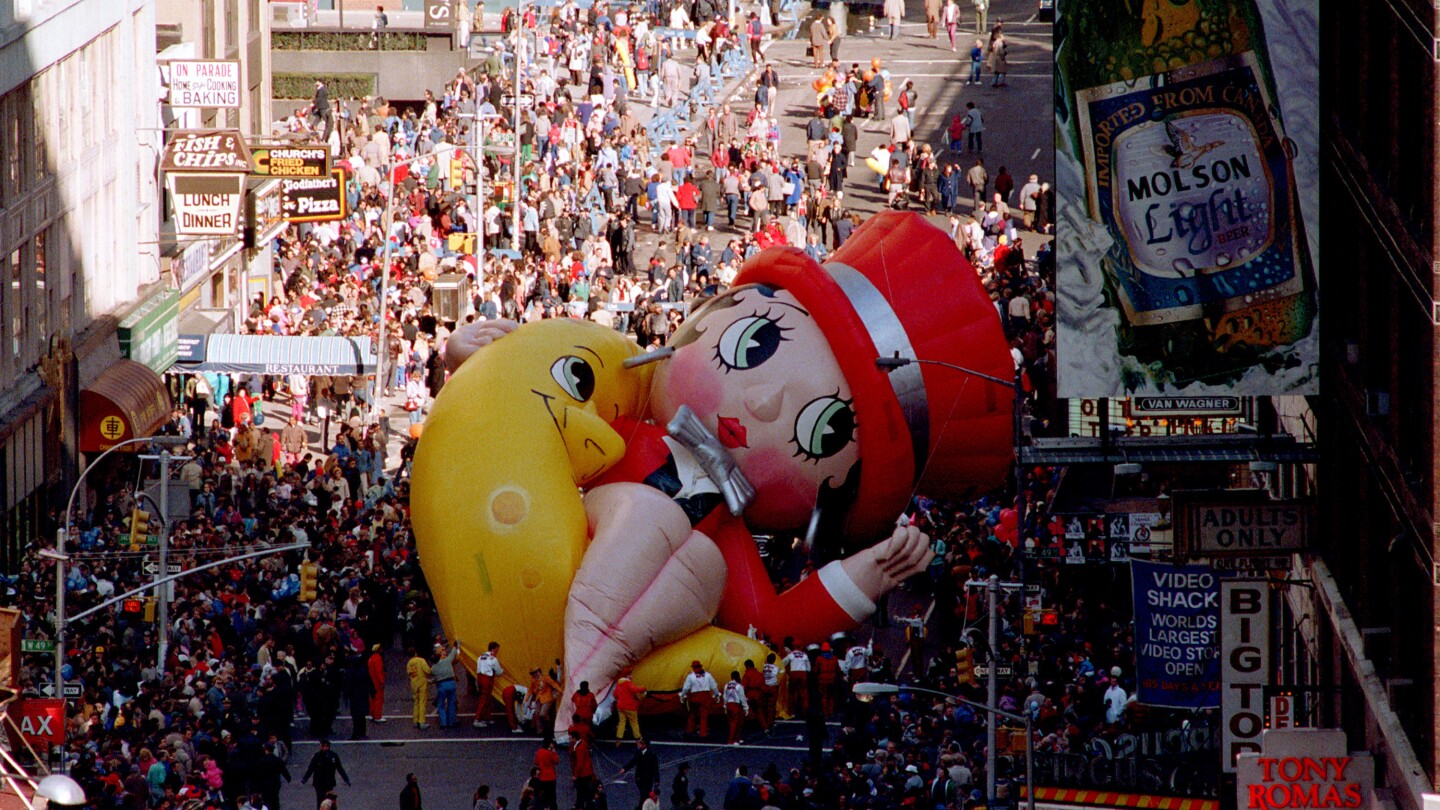
Betty Boop and “Blondie” are joining Mickey Mouse and Winnie the Pooh in the public domain as their 95-year U.S. copyright protection expires on January 1. These iconic cartoon and comic characters are now available for creators to use and repurpose without permission or payment.
This latest batch of artistic creations becoming public property marks another milestone in the steady release of cultural works that began in 2019, following a 20-year drought caused by congressional copyright extensions.
“It’s a big year,” said Jennifer Jenkins, law professor and director of Duke’s Center for the Study of the Public Domain, who celebrates January 1 as Public Domain Day. “It’s just the sheer familiarity of all this culture.”
Jenkins notes that this year’s works collectively reflect “the fragility that was between the two wars and the depths of the Great Depression.”
From Dog to Icon: Betty Boop’s Journey
Betty Boop began her animated life in an unexpected form – as a dog. When she first appears in the 1930 short “Dizzy Dishes,” one of four Betty Boop cartoons entering the public domain, she’s recognizable as the Jazz Age flapper who would become a cultural icon, but with surprising canine features. She sports her signature baby face, short hair with styled curls, flashy eyelashes and miniature mouth – alongside poodle ears and a tiny black nose that would later evolve into dangling earrings and a human appearance.
In “Dizzy Dishes,” Betty performs a slinky song-and-dance routine in a tiny black dress. Though unnamed in this debut appearance, she already uses her signature “boop boop, a doop” vocalization. She initially played the sidekick to a popular cartoon dog named Bimbo before eventually becoming the star of her own cartoons.
Betty Boop was designed and owned by Fleischer Studios, with shorts released by Paramount Pictures. She was inspired at least partially by singer Helen Kane, known as the “Boop-Oop-a-Doop Girl” following her 1929 hit song. Kane later sued over Betty’s character and use of the catchphrase but lost the case. During legal proceedings, the defense claimed Black singer Esther Lee Jones had used similar phrases earlier.
While creators can now freely use Betty’s earliest appearances in films and creative works, merchandising rights remain protected. The Fleischer Productions trademark for Betty Boop remains intact – an important distinction often emphasized by Disney regarding Mickey Mouse.
Blondie: From Flapper to Domestic Comedy
Coincidentally, 1930 also saw the debut of another character with “boop” in her name. Blondie Boopadoop was a young flapper and the central character of Chic Young’s newspaper comic strip that first appeared in 1930. The popular comic inspired a film series and radio show, and continues running in newspapers today.
The strip initially followed Blondie’s carefree lifestyle with her boyfriend, Dagwood Bumstead. The couple would marry in 1933 (with Blondie dropping her “Boopadoop” surname), transforming the comic into the sandwich-heavy domestic comedy familiar to later readers. Though the strip was intended to focus on Blondie’s life, Dagwood often stole the spotlight with his oversized sandwiches and workplace antics.
This year also sees nine new Mickey Mouse cartoons entering the public domain, two years after “Steamboat Willie” first made Mickey available for public use. Mickey’s dog Pluto also joins the public domain, though in 1930 he was known as Rover, only receiving his permanent name the following year.
Literary Detectives and Nobel Winners
The books entering the public domain this year introduce three iconic detectives from the 20th century:
Teen sleuth Nancy Drew debuts in her first four books from 1930, beginning with “The Secret of the Old Clock,” written by Mildred Benson under the pen name Carolyn Keene.
Hard-boiled detective Sam Spade appears in the full-book version of Dashiell Hammett’s “The Maltese Falcon,” following its magazine serialization the previous year.
Agatha Christie’s elderly detective Miss Marple solves her first mystery in “Murder at the Vicarage.”
William Faulkner’s “As I Lay Dying” also becomes public domain, a year after his “The Sound and the Fury.” These works contributed to Faulkner receiving the Nobel Prize in Literature.
Elementary reading mainstays Dick and Jane also enter the public domain through the “Elson Basic Readers” textbooks, characters who taught generations to read and became staples of American parody.
Classic Films and Hollywood’s Golden Age
A year after their film debut “The Cocoanuts” entered the public domain, the Marx Brothers’ beloved “Animal Crackers” joins it. The comedy features Groucho, Harpo, Chico, and Zeppo bringing their anarchic humor to a Long Island society party celebrating an explorer’s return from Africa.
Other notable films now in the public domain include “The Blue Angel,” the German film that established Marlene Dietrich’s iconic image; “King of Jazz,” featuring Bing Crosby’s first screen appearance; and a pair of early Oscar winners – “All Quiet on the Western Front” (1930) and “Cimarron” (1931).
This marks the beginning of a significant period for public domain releases of Golden Age Hollywood films. The coming decade will see many classic films becoming available, with 2027 bringing a particularly rich harvest including Universal Pictures’ original 1931 versions of “Dracula” and “Frankenstein.”
Timeless Melodies Enter Public Domain
A collection of enduring musical standards also becomes public property this year, including four George Gershwin classics with lyrics by his brother Ira: “Embraceable You,” “I’ve Got a Crush on You,” “But Not for Me,” and “I Got Rhythm.”
Other notable compositions include Hoagy Carmichael and Stuart Gorrell’s “Georgia on My Mind” and “Dream a Little Dream of Me” by Gus Kahn, Fabian Andre, and Wilbur Schwandt.
While the compositions are now available, recordings follow different copyright rules. Newly public domain recordings from 1925 include Rodgers and Hart’s “Manhattan” by the Knickerbockers, Marian Anderson’s “Nobody Knows the Trouble I’ve Seen,” and Bessie Smith’s “The St. Louis Blues,” featuring Louis Armstrong.
Fact Checker
Verify the accuracy of this article using The Disinformation Commission analysis and real-time sources.

20 Comments
The expiration of copyright protection for Betty Boop and Blondie is a significant milestone, but it also highlights the ongoing debates around the duration and scope of intellectual property rights. I’m curious to hear different perspectives on this issue.
As these characters enter the public domain, it will be interesting to see how the balance between creativity and commercial interests is managed.
The expiration of copyright protection for classic characters like Betty Boop and Blondie is a significant milestone, but it also raises questions about the role of intellectual property in shaping our cultural narratives. I wonder how this will influence the way we engage with and understand these iconic figures.
As these characters enter the public domain, it will be important to ensure that their legacies are respected and celebrated, even as new creative works emerge.
The expiration of copyright protection for Betty Boop and Blondie is a significant event, but it also raises questions about the long-term preservation and accessibility of our cultural heritage. I hope these characters continue to be celebrated and respected.
Balancing the interests of creators, businesses, and the public will be an ongoing challenge as more works enter the public domain.
The public domain is a valuable resource for artists and creators, but it also requires careful stewardship. I’m curious to see how the availability of characters like Betty Boop and Blondie will impact the creative landscape and our collective cultural memory.
Preserving the integrity of these iconic characters while allowing for new interpretations will be an interesting balancing act.
The expiration of copyright protection for iconic characters like Betty Boop and Blondie is an interesting development. I wonder how creators will choose to reimagine and repurpose these familiar faces in the coming years.
It will be exciting to see what new interpretations and stories emerge as these characters enter the public domain.
The steady release of cultural works into the public domain is an important process, but it also raises questions about ownership, control, and the evolving nature of intellectual property. I wonder how this will impact the commercial landscape for these characters.
It will be fascinating to see how businesses and creators navigate the shifting landscape as these iconic characters become more freely available.
This latest batch of public domain releases reflects the cultural and artistic trends of a turbulent era. I’m curious to learn more about how these characters and their stories were shaped by the interwar period and Great Depression.
Preserving and understanding our cultural heritage is important, so I’m glad these classic works are becoming more accessible to the public.
While the public domain can foster creativity, I hope creators use these characters responsibly and respectfully. It will be interesting to see how the public reacts to new takes on beloved icons like Betty Boop.
Maintaining the integrity of these characters while allowing for new artistic interpretations will be a delicate balance.
The release of Betty Boop, Blondie, and other classic characters into the public domain is an intriguing development that reflects the ongoing evolution of our cultural landscape. I’m curious to see how creators and businesses will respond to this new creative landscape.
Navigating the balance between innovation and preservation will be a key challenge as these iconic characters become more freely available.
This latest batch of public domain releases marks an important chapter in the evolution of our cultural landscape. I wonder how the availability of these iconic characters will influence artistic expression and the broader creative economy.
It will be fascinating to see how the public responds to new interpretations and uses of these beloved characters.