


Listen to the article
Finnish authorities have detained a vessel suspected of damaging a critical undersea telecommunications cable in the Gulf of Finland early Wednesday, marking the latest in a series of infrastructure incidents in the Baltic region that have raised security concerns.
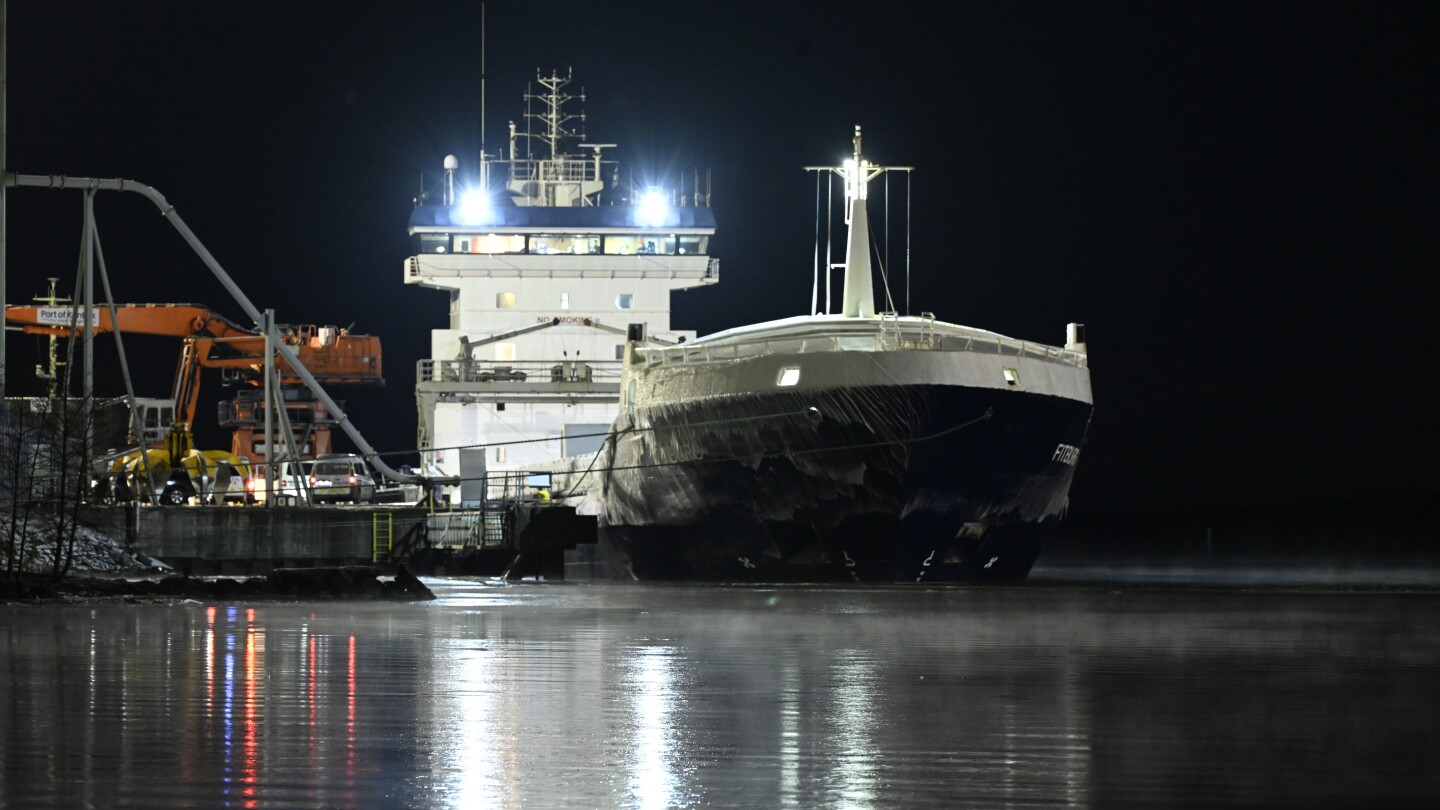
The Finnish border guard seized and inspected the vessel, named Fitburg, which was found with its anchor lowered while passing through Finland’s exclusive economic zone. The ship’s 14 crew members—citizens of Russia, Georgia, Azerbaijan, and Kazakhstan—were detained as part of the investigation. The vessel, flagged in St. Vincent and the Grenadines, had been traveling from Russia to Israel.
Helsinki police have launched an investigation into aggravated criminal damage, attempted aggravated criminal damage, and aggravated interference with telecommunications. The damaged cable belongs to Finnish telecommunications provider Elisa and is considered critical underwater infrastructure. The incident occurred in Estonia’s exclusive economic zone.
“Finland is prepared for security challenges of various kinds, and we respond to them as necessary,” Finnish President Alexander Stubb wrote on social platform X.
Finnish National Police Commissioner Ilkka Koskimäki told local media that investigators are not speculating on whether a state-level actor was behind the damage. He noted that the ship had been dragging its anchor for hours before being intercepted.
In a concerning development, Swedish telecommunications provider Arelion confirmed that one of its undersea cables in the Gulf of Finland was also damaged on Wednesday. Additionally, another Arelion cable between Sweden and Estonia in the Baltic Sea was damaged on Tuesday, according to company spokesperson Martin Sjögren.
“We are actively working with authorities in Sweden and other countries to investigate the cause of the cuts,” Sjögren said. “We cannot disclose any details about exact times or locations at this point with regard to the ongoing investigation.” He added that repairs would begin once weather conditions improved and that most customers remained unaffected by the damage.
The incidents highlight the vulnerability of critical submarine infrastructure in the Baltic region, which hosts a network of cables and pipelines that promote trade and energy security among Nordic, Baltic, and central European countries. These connections have become increasingly important as European nations work to reduce dependence on Russian energy resources following the invasion of Ukraine.
This is not the first such incident in the area. Earlier this year, Finnish authorities charged the captain and two senior officers of a Russia-linked vessel that damaged undersea cables between Finland and Estonia on Christmas Day 2024. The vessel in that case, the Eagle S oil tanker, was described by Finnish customs officials and the European Union as part of Russia’s “shadow fleet” of fuel tankers—aging vessels with obscure ownership acquired to evade Western sanctions amid the war in Ukraine.
The Kremlin has previously denied involvement in damaging European infrastructure, but Western security experts view such incidents as potential elements of a broader campaign of sabotage allegedly linked to Moscow following its full-scale invasion of Ukraine in 2022.
Estonian authorities are now cooperating with their Finnish counterparts to determine whether to initiate a separate criminal case or proceed with a joint prosecution regarding the Elisa cable damage. The telecom provider has stated that its service was not affected by the incident.
The recurrence of these cable damages has heightened concerns about the security of underwater infrastructure in European waters, prompting calls for enhanced monitoring and protection measures for these vital communication links.
Fact Checker
Verify the accuracy of this article using The Disinformation Commission analysis and real-time sources.

10 Comments
Interesting development. Damage to undersea telecom cables is always concerning, as they are critical infrastructure. I wonder if this was an intentional act or an accident. Hopefully the authorities can get to the bottom of it quickly.
The Baltic region has seen a number of concerning infrastructure incidents lately. I hope the authorities are able to determine if this latest cable damage was accidental or deliberate, and take appropriate steps to secure the area.
Securing undersea cables is an ongoing challenge. While the specifics are still emerging, any disruption to these vital links raises concerns about potential threats to regional stability and economic activity.
Undersea cables are vital for global communications and commerce. Attacks or damage to them raise security worries. I’m curious to see what the investigation uncovers about the motives and circumstances behind this incident in the Gulf of Finland.
Indeed. Protecting this kind of strategic infrastructure is essential. Looking forward to hearing more details from the authorities on this case.
Interesting that the vessel involved was traveling from Russia to Israel. I wonder if there are any geopolitical undertones to this incident that the authorities will need to investigate further.
Damage to undersea cables is always worrying, given their importance to global communications and commerce. I’ll be following this story closely to see what the investigation uncovers about the motivations and implications of this event.
Undersea cable infrastructure is easily overlooked but absolutely essential. I hope the authorities can get to the bottom of this incident swiftly and take steps to better protect these critical assets going forward.
Damage to undersea telecom cables can have far-reaching impacts. This bears watching, as the details around the vessel and crew involved could provide clues about the intent behind the incident.
Absolutely. Maintaining the resilience of critical communications infrastructure is crucial, especially in geopolitically sensitive regions like the Baltic.