


Listen to the article
New advancements in STI testing and treatment are emerging in the United States, offering promising solutions to combat sexually transmitted infections that reached concerning levels during the COVID-19 pandemic. Experts are hopeful these innovations will help maintain the recent downward trend in infection rates.
The Food and Drug Administration approved several groundbreaking products last year, including the first at-home test capable of detecting three common infections in women — gonorrhea, chlamydia, and trichomoniasis. The agency also authorized the first home-based kit for detecting human papillomavirus (HPV), which causes cervical cancer, and approved two new drugs for treating gonorrhea, representing the first new treatment options for the disease in decades.
These developments come at a critical time. The pandemic severely disrupted sexual health screening, education, and treatment nationwide, temporarily reversing progress in controlling STI rates. However, the same technological advances that enabled over-the-counter COVID-19 tests are now being applied to home-based kits for various sexually transmitted infections, including syphilis.
“Sexual health can be stigmatized and people can be hesitant about testing,” said Dr. Ina Park, a sexual health specialist at the University of California, San Francisco. “Now we have a lot of options for patients who may be wary of going into a provider’s office.”
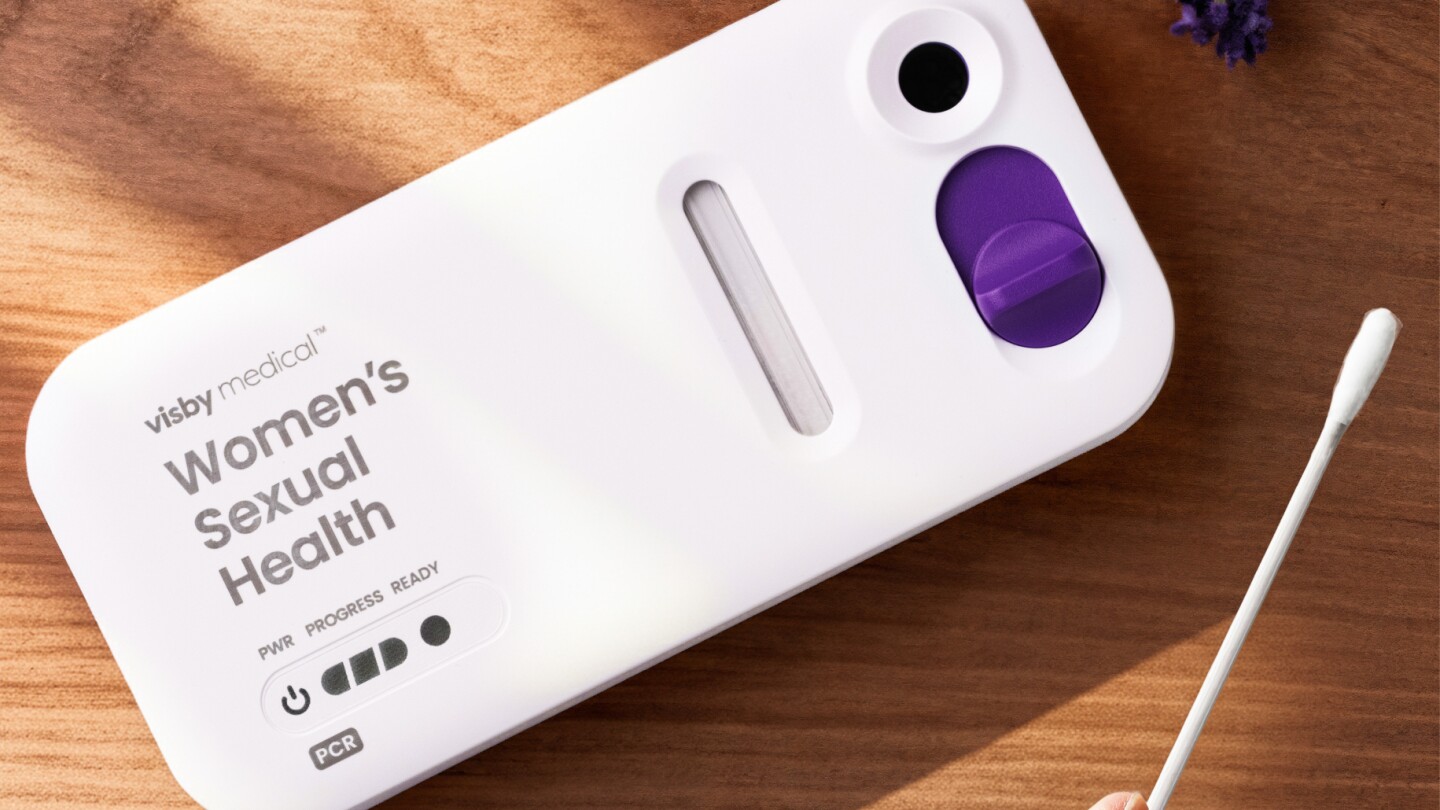
Visby Medical’s three-in-one test for women, approved by the FDA in March last year, exemplifies this new approach. The $150 urine-based test includes a vaginal swab and a small electronic device that processes results and sends them to an app for review. Crucially, it also provides a telehealth consultation with a medical provider who can discuss results and prescribe necessary medications.
Dr. Gary Schoolnik, Visby’s chief medical officer and professor emeritus at Stanford Medical School, highlighted the efficiency of this process, which can take as little as six hours from purchase to prescription — dramatically faster than traditional testing models that could take several days and often lost patients to follow-up.
“Many patients are very hard to track down and a lot of them, if they have a positive test result, are never treated and are lost to follow-up,” Schoolnik explained.
The FDA approved Visby’s test after studies demonstrated accuracy rates around 98% or higher for detecting the three infections, comparable to tests performed in clinical settings.
Other innovations include Teal Health’s FDA-approved HPV testing kit. The Teal Wand allows women to collect their own vaginal samples, which are then shipped to a laboratory for analysis. Recently updated federal guidelines for HPV screening have endorsed self-collection for the first time, marking a significant shift in approach.
In addition to testing advances, the FDA approved two new treatments for gonorrhea, addressing a critical need. The bacteria causing gonorrhea has consistently evolved resistance to nearly every antibiotic used against it, leaving healthcare providers with limited options.
Both new medications can be taken orally, offering a significant advantage over the current standard treatment, which requires an injection of the antibiotic ceftriaxone. Nuzolvenc, developed through a public-private partnership, comes as water-soluble granules, while GlaxoSmithKline’s Bluejepa is available in tablet form and is also approved for treating urinary tract infections.
“We were down to one class of antibiotics recommended to treat gonorrhea and we had no other good options,” Park noted. “So to have two new options in the same year is very exciting.”
These developments coincide with encouraging trends in STI rates. The CDC’s provisional data for 2024 showed a third consecutive year of declining gonorrhea cases, and the second consecutive year of fewer adult cases of chlamydia and the most infectious forms of syphilis.
Experts attribute this positive trend to several factors, including reduced sexual activity among young people, increased use of preventive antibiotics, and more widespread at-home screening.
However, challenges remain. As more testing occurs at home, tracking national infection rates could become more difficult. Additionally, the higher cost of these new options may limit access for many people. Visby’s test, for instance, costs $150 and is not currently covered by insurance.
Recent funding cuts to the CDC and other public health agencies under the Trump administration may further complicate efforts to expand access to these innovations.
“I’m feeling very optimistic about the fact that people have more testing options and also that we now have access to new drugs,” Park said. “What I fear is these cuts to public health are going to decrease access to sexual health care for populations who can least afford to take advantage of these new options.”
Fact Checker
Verify the accuracy of this article using The Disinformation Commission analysis and real-time sources.

8 Comments
Fascinating to see the advancements in at-home STI testing and treatment. Expanding access like this is so important, especially after the pandemic disrupted regular screening. Curious to learn more about the specific technologies being used.
These new at-home STI tests sound like a game-changer. Making testing more accessible and private could really help reduce transmission rates. I hope the stigma around sexual health issues continues to fade.
Agreed, increased access to testing is so important. Hopefully these innovations will lead to more people getting regularly screened and catching infections early.
New at-home STI tests are such an important development. Providing more discreet testing options will make a real difference in getting people the care they need. Reducing the stigma around sexual health is crucial too.
It’s great to see the FDA approving new home-based STI tests and treatments. This should really help make a dent in the high infection rates, especially after the pandemic disrupted regular screening. Curious to see what other advances come down the pipeline.
Absolutely, this is a major step forward. With more options for private, convenient testing, hopefully we’ll see those troubling STI trends start to reverse.
Home-based STI testing kits are a smart solution to improve access and reduce barriers to care. Combining these with the new treatment options is really exciting. Hopeful this will lead to better health outcomes for many.
Agreed, it’s a very positive step forward. Increased convenience and privacy for testing could go a long way in addressing the high STI rates.