


Listen to the article
Treasury Department Intensifies Financial Scrutiny of Minnesota-Somalia Transactions
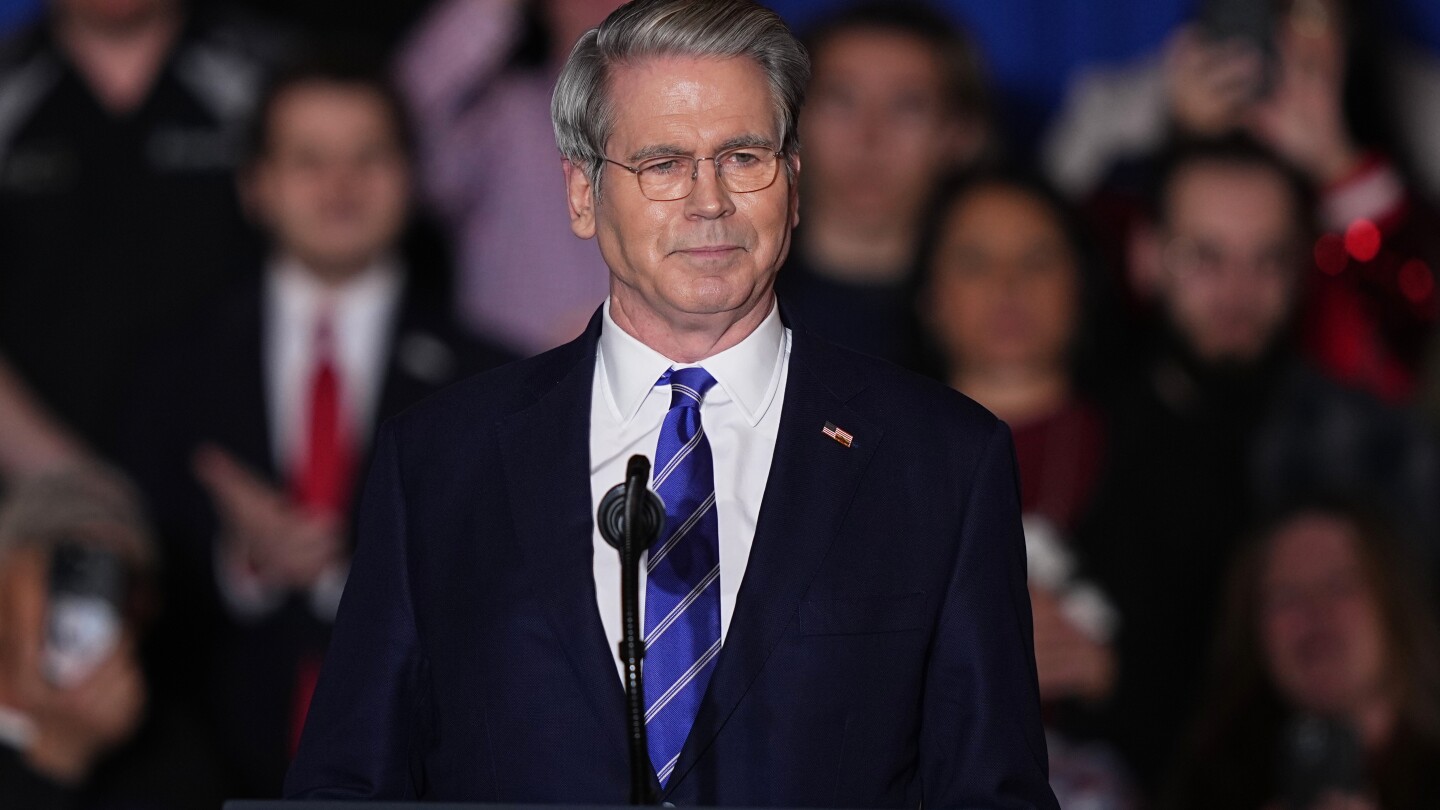
The Treasury Department has launched an extensive investigation into financial transactions between Minnesota residents and Somalia as part of the federal government’s broader immigration enforcement actions in the state, Treasury Secretary Scott Bessent announced during a visit to Minnesota on Friday.
Bessent revealed that his agency has initiated a series of measures to combat fraud, including investigations into four unspecified businesses that facilitate wire transfers to family members abroad. These remittance services, commonly used by the Somali diaspora to support relatives in their home country, will face increased scrutiny.
“Treasury will deploy all tools to bring an end to this egregious unchecked fraud and hold perpetrators to account,” Bessent told reporters during his visit, which coincided with protests in Minneapolis following a fatal shooting by an Immigration and Customs Enforcement officer on Wednesday.
The timing of Bessent’s visit has heightened tensions between federal authorities and local leaders. The shooting incident, which occurred in a residential neighborhood south of downtown Minneapolis, has sparked significant community backlash and deepened the rift between federal immigration enforcement and local government.
President Donald Trump’s administration has specifically targeted the Somali diaspora in Minnesota with immigration enforcement actions. Trump has repeatedly made disparaging comments about the community and directed Bessent to uncover more instances of fraud. Last month, the Treasury Department announced its intention to target money service businesses, with a particular focus on remittances to Somalia.
The department’s actions stem partly from several high-profile fraud cases, most notably involving the nonprofit Feeding Our Future, which was accused of misappropriating coronavirus pandemic aid intended for school meals. Federal prosecutors estimate losses from this case at approximately $300 million. In March, the organization’s founder, Aimee Bock, was convicted on multiple counts including conspiracy, wire fraud, and bribery, though she has maintained her innocence throughout.
Minnesota Governor Tim Walz, who recently ended his bid for a third term, has stated that fraud will not be tolerated in the state and that his administration “will continue to work with federal partners to ensure fraud is stopped and fraudsters are caught.” Walz had previously faced criticism from Republicans who claimed his administration should have detected the Feeding Our Future fraud earlier.
During his visit, Bessent met with several financial institutions, urging them to implement stronger measures to prevent fraud. While he declined to comment on specific investigations or disclose which institutions he spoke with, the Treasury Department outlined several key actions being taken.
These measures include Financial Crimes Enforcement Network investigations into Minnesota-based money services businesses, enhanced transaction reporting requirements for international transfers from Hennepin and Ramsey counties, and alerts to financial institutions on identifying fraud related to child nutrition programs.
Bessent’s announcement has drawn criticism from various quarters. Nicholas Anthony, a policy analyst at the libertarian Cato Institute, accused Bessent of “building a legacy of financial surveillance and control” and condemned efforts to restrict Americans from sending money abroad and increasing surveillance under the Bank Secrecy Act.
Somali community leaders had previously reported anecdotal accounts of community members being detained by federal agents, though specific details remain limited. These leaders, along with allies including Walz and Minneapolis Mayor Jacob Frey, have pledged to protect the community.
During a speech at the Economic Club of Minnesota on Thursday about the Trump administration’s economic agenda, Bessent referenced the alleged fraud without specifically mentioning the Somali community that his department is targeting.
“I am here this week to signal the U.S. Treasury’s unwavering commitment to recovering stolen funds, prosecuting fraudulent criminals, preventing scandals like this from ever happening again, and investigating similar schemes state by state,” Bessent said.
The increased scrutiny of financial transactions between Minnesota and Somalia represents a significant escalation in the administration’s approach to immigration enforcement and financial regulation, raising concerns about its impact on legitimate remittances and community relations.
Fact Checker
Verify the accuracy of this article using The Disinformation Commission analysis and real-time sources.

5 Comments
While fraud should be addressed, I worry this aggressive approach by the Treasury Department could backfire and damage important economic and cultural ties. I hope they can find a more constructive way to address concerns without unfairly targeting the Somali community.
As someone interested in commodities and mining, I’m curious how this crackdown on Somali remittances could impact the flow of capital and trade in the region. It’s an issue worth monitoring, as it may have ripple effects across multiple industries.
Tensions are certainly running high in Minnesota. I hope the Treasury Department can strike a balance between combating fraud and respecting the rights and needs of the Somali diaspora. This is a complex issue that requires nuance and empathy.
This seems like a heavy-handed crackdown that could unfairly target the Somali community. While fraud should be addressed, increased scrutiny on remittances could have unintended consequences for those just trying to support their families.
The timing of this announcement is concerning, coming amidst protests over a fatal shooting. The Treasury Secretary should tread carefully to avoid further inflaming the situation. Increased oversight is understandable, but the approach needs to be fair and sensitive.