


Listen to the article
Iran Cuts Off Internet Access as Protests Intensify, Leaving Diaspora in the Dark
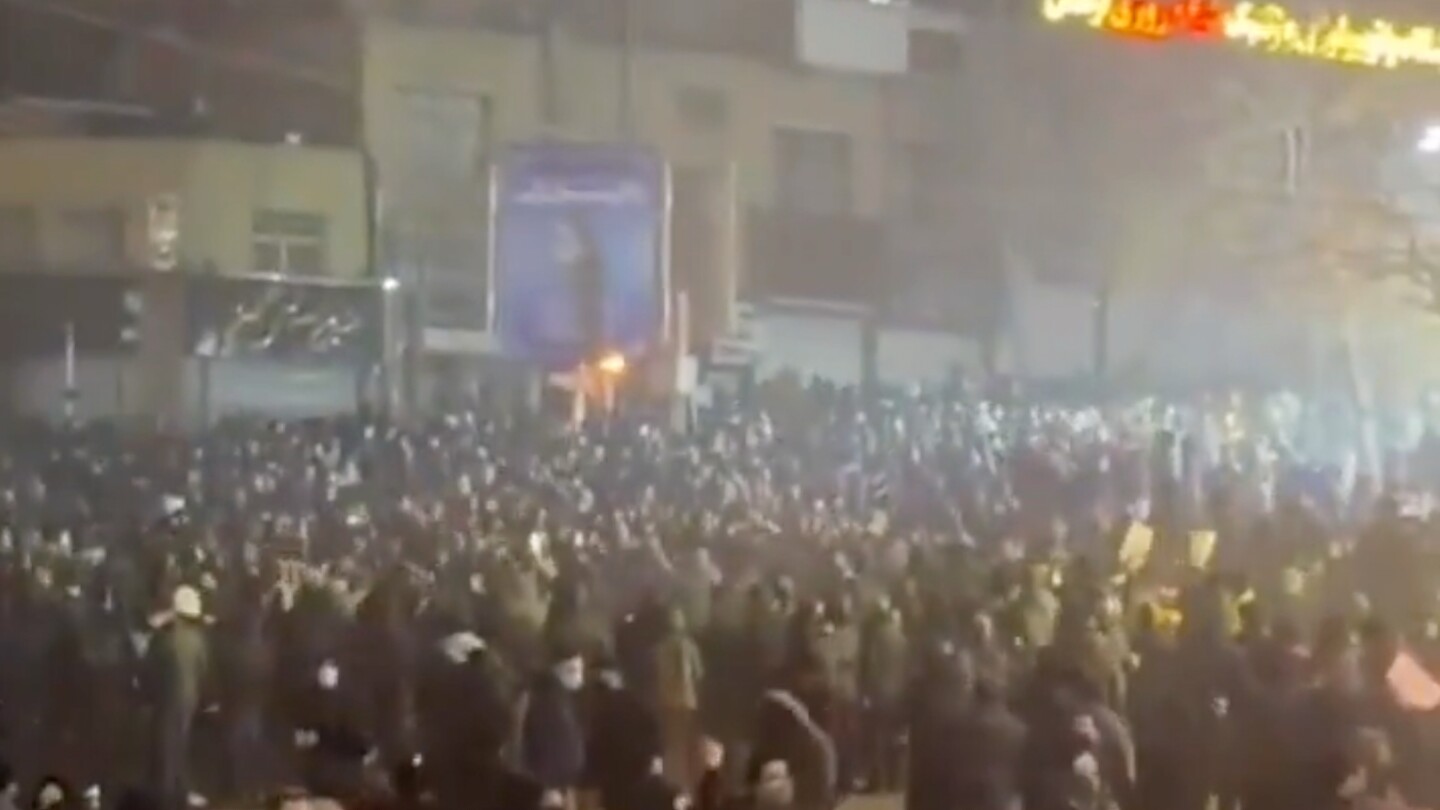
Iran’s government severed internet connections and telephone lines shortly after 8 p.m. Thursday, effectively isolating its 85 million citizens from the outside world. This dramatic measure comes as authorities seek to contain growing nationwide protests over the country’s deteriorating economy, which now represent the most significant challenge to the regime in recent years.
The shutdown follows a familiar pattern used during previous periods of unrest, but experts say the current blackout is more comprehensive. Until this point, even under strict international sanctions related to its nuclear program, Iranians could still communicate with the global diaspora and access blocked websites using virtual private networks (VPNs) to bypass government restrictions.
By cutting these connections, the Iranian government has severely restricted the flow of information about the protests, potentially setting the stage for a crackdown away from international scrutiny. This comes after the Trump administration issued warnings about consequences for further violence against demonstrators.
The situation has become increasingly dire after Iran’s attorney general declared on Saturday that anyone participating in protests would be considered an “enemy of God” – a charge that carries the death penalty in the Islamic Republic.
For Iranians living abroad, the blackout has created a torturous information vacuum. “You can’t understand our feelings. My brothers, my cousins, they will go on the street. You can’t imagine the anxiety of the Iranian diaspora,” said Azam Jangravi, a cybersecurity expert in Toronto opposed to Iran’s government. “A lot of people are being killed and injured by the Islamic Republic of Iran, and we don’t know who.”
This marks the third time Iran has implemented a nationwide internet shutdown. The first occurred in 2019 during protests over rising government-subsidized gasoline prices, when reportedly over 300 people were killed. The second followed the 2022 death of Mahsa Amini after her arrest by morality police for allegedly not wearing her hijab properly, leading to a monthslong crackdown that killed more than 500 people.
During the Amini protests, Starlink satellite internet played a significant role in maintaining connections. Today, the deployment of Starlink receivers in Iran is considerably more widespread, despite the service being illegal to possess or use in the country. An Iranian official estimated last year that tens of thousands of Starlink receivers were in the Islamic Republic.
While many receivers are used by businesspeople needing international connectivity, some are now being utilized to share videos and photos documenting the protests. However, these devices face significant technical challenges.
Since its brief war with Israel in June, Iran has been disrupting GPS signals, likely to counter drone effectiveness. Starlink receivers rely on GPS to position themselves for satellite connectivity. Amir Rashidi, director of digital rights and security at the Miaan Group, reports observing about a 30% loss in data packets being transmitted by Starlink devices since Thursday, with some areas experiencing up to 80% loss.
“I believe the Iranian government is doing something beyond GPS jamming, like in Ukraine where Russia tried to jam Starlink,” Rashidi said, suggesting Iran may be using mobile jamming technology similar to what it previously employed against satellite television receivers.
The International Telecommunication Union, a UN agency, has previously called on Iran to cease jamming activities. Meanwhile, Iranian officials have been lobbying the ITU to stop Starlink service to the country altogether.
Most information currently emerging from Iran appears to be transmitted via these now-illegal Starlink connections, putting those using the devices at extreme risk. “It’s really hard to use it because if they arrest a person, they can execute the person and say this person is working for Israel or the United States,” Jangravi explained.
However, without these connections, the world knows even less about the critical situation unfolding inside Iran. Mehdi Yahyanejad, a Los Angeles-based internet freedom activist, warns that time may be running out: “This sort of nonviolent protest is not sustainable when the violence [by security forces] is so extreme. Unless something changes in the next two or three days, these protests can die down, too. If there’s any help, it needs to come soon.”
Fact Checker
Verify the accuracy of this article using The Disinformation Commission analysis and real-time sources.

7 Comments
The Iranian government’s move to cut internet access is a heavy-handed attempt to restrict information and communication during these protests. It’s a worrying sign that they may be planning a violent crackdown, away from global scrutiny. The world needs to remain vigilant and hold Iran accountable.
Blocking internet and communications is a concerning step by Iran’s government to isolate its citizens and conceal the scale of the protests. This tactic has been used before, but the current shutdown appears more comprehensive. The international community should closely monitor the situation and be prepared to respond if the regime resorts to further repression.
Cutting off internet and communication is a concerning move by the Iranian government. This could signal a crackdown on the protests, away from international scrutiny. It’s important that the world continues to monitor the situation and hold Iran accountable for any violence against demonstrators.
Iran’s decision to sever internet and communication links is a troubling escalation in their efforts to control the narrative around the ongoing protests. By cutting off access to the outside world, the regime is likely preparing for a harsh crackdown. The global community must continue to pressure Iran to respect the rights of its citizens.
The internet shutdown in Iran is a troubling escalation. By isolating citizens from global communication, the regime is trying to control the narrative and suppress information about the protests. This tactic has been used before, but the current blackout seems more comprehensive.
You’re right, the scale of the current internet shutdown in Iran is particularly alarming. It suggests the government is preparing for a severe crackdown on the protesters, which the world must closely monitor.
Iran’s decision to pull the plug on internet access highlights their desperation to control the flow of information about the ongoing protests. This tactic will only further inflame tensions and raise concerns about potential human rights abuses. The international community should continue to apply pressure on Iran.