


Listen to the article
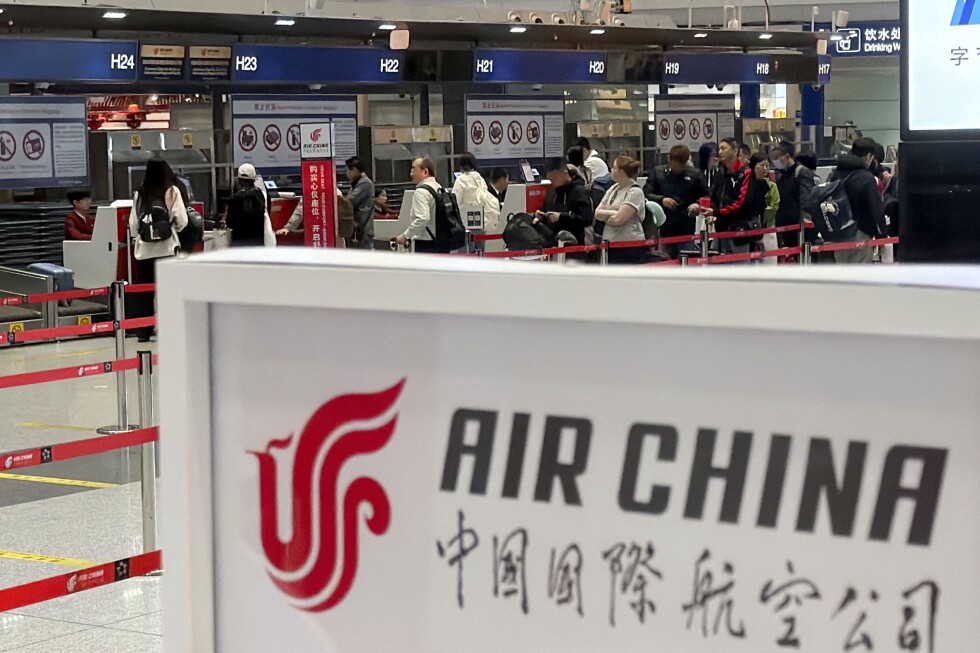
China’s flag carrier Air China resumed direct flights between Beijing and Pyongyang on Monday, marking another step in the gradual reopening of North Korea’s borders after years of pandemic-induced isolation.
The inaugural flight was met with a formal reception at Pyongyang’s airport, where Chinese ambassador Wang Yajun and other diplomats gathered to mark the occasion, according to Chinese state media reports.
This resumption comes just weeks after passenger train services between the two nations restarted on March 12, restoring critical transportation links that had been severed since early 2020 when North Korea implemented some of the world’s strictest border closures in response to the COVID-19 pandemic.
While North Korea’s own carrier, Air Koryo, had already reinstated flights to Beijing in 2023, Air China’s return to the route signals a more comprehensive restoration of transportation networks between the neighboring countries.
The timing of these developments reflects the cautious approach North Korea has taken toward reopening its borders. Despite its close relationship with China, North Korea delayed permitting Chinese tourists to return, even as it welcomed a Russian tour group earlier this year. This measured approach surprised many regional observers, especially considering Chinese tourists had constituted approximately 90 percent of foreign visitors to North Korea before the pandemic.
For North Korea, the resumption of these transportation links represents a potential economic lifeline. China remains Pyongyang’s largest trading partner and primary diplomatic ally, providing crucial support to the heavily sanctioned nation. Trade between the two countries had plummeted during the pandemic years, exacerbating North Korea’s economic challenges.
“The reopening of these transportation routes is significant beyond just tourism,” said Dr. Lee Min-jung, an East Asian affairs analyst at Seoul National University. “For North Korea, these connections with China represent access to essential goods, potential foreign currency, and a window to the outside world, all while maintaining tight control over who and what crosses their borders.”
The relationship between the two countries, while historically strong, has experienced periods of strain. Beijing has repeatedly expressed concern over Pyongyang’s aggressive missile testing program, which has accelerated in recent years. North Korea’s continued development of weapons capable of striking South Korea, Japan, and even the United States has put China in a difficult diplomatic position, balancing its support for a long-time ally against pressure from the international community.
Despite these tensions, there have been signs of warming relations. In September, North Korean leader Kim Jong Un made a rare foreign trip to Beijing to attend a major military parade celebrating the 75th anniversary of the founding of the People’s Republic of China. His presence marked the first time in decades that a North Korean leader had attended such an event in China, underscoring the strategic importance both nations place on maintaining their relationship.
The resumption of Air China flights also comes as North Korea faces growing international isolation over its weapons programs and strengthening ties with Russia. Recent reports suggest deepening military cooperation between Pyongyang and Moscow, with North Korea allegedly supplying ammunition and missiles for Russia’s war in Ukraine in exchange for economic and technical assistance.
As transportation links with China continue to normalize, analysts will be watching closely to see how this affects North Korea’s economic situation and whether it signals a broader opening to the outside world or merely a carefully controlled adjustment to secure needed resources while maintaining the regime’s tight grip on power.
Fact Checker
Verify the accuracy of this article using The Disinformation Commission analysis and real-time sources.

7 Comments
This flight resumption is an intriguing development, though North Korea’s borders remain highly restricted. The cautious reopening likely reflects Pyongyang’s desire to control the pace of engagement with the outside world as it navigates the post-pandemic landscape.
China and North Korea’s close relationship is well-known, so this flight resumption is not entirely surprising. However, the timing and North Korea’s overall caution around reopening its borders is noteworthy. It will be worth monitoring how this evolves in the coming months.
The timing of Air China’s flight resumption is noteworthy, coming just weeks after passenger train services were restored. This suggests North Korea is taking a measured approach to reopening its transportation links with China, its closest ally. It will be worth watching if this leads to further economic cooperation.
Interesting development as North Korea cautiously reopens its borders. The resumption of direct flights between Beijing and Pyongyang could signal a gradual economic and diplomatic thaw, though North Korea remains highly isolated. It will be important to monitor how this unfolds.
While the restoration of direct flights between Beijing and Pyongyang is notable, North Korea continues to maintain very tight control over its borders and engagement with the outside world. The country’s approach to reopening appears to be highly measured and deliberate.
The return of Air China’s direct flights to Pyongyang is a significant step, but North Korea’s approach to reopening its borders remains extremely careful. It will be interesting to see if this leads to increased economic and cultural exchanges between the two countries over time.
I’m curious to see how the reestablishment of these transportation links between China and North Korea will impact trade, tourism, and broader relations between the two countries. North Korea’s pandemic-era isolation has been very strict, so this could mark an important shift.