


Listen to the article
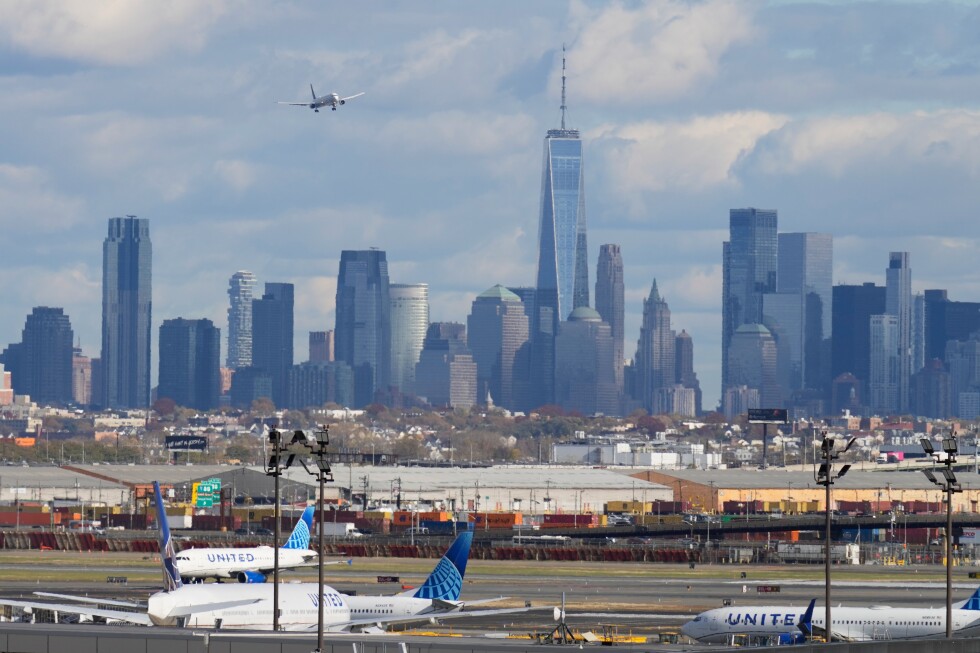
Operations at Newark Liberty International Airport were temporarily suspended Monday morning after air traffic controllers evacuated the control tower due to a burning smell emanating from an elevator, according to Federal Aviation Administration officials.
The disruption, which lasted less than an hour, created a ripple effect across the busy Northeast air corridor, one of the most congested airspaces in the United States. Flight tracking data showed dozens of aircraft placed in holding patterns or diverted to alternate facilities during the incident.
FAA spokesperson James Rodriguez confirmed that despite the concerning odor, an investigation determined no fire had actually occurred in the facility. “Out of an abundance of caution, controllers followed standard safety protocols and evacuated the primary tower,” Rodriguez said.
During the evacuation, the Port Authority of New York and New Jersey, which operates the airport, implemented contingency measures by relocating FAA personnel to a backup tower facility on the airport grounds. This secondary facility, designed specifically for such emergencies, allowed for the gradual resumption of flight operations while the primary tower was being assessed.
“The backup systems performed as designed,” said Newark Liberty International Airport Director Susan Martinez. “Our priority was ensuring the safety of both air traffic controllers and the traveling public while minimizing disruption to the airport’s operations.”
By mid-morning, controllers had returned to the main tower and normal operations resumed, though residual delays continued throughout the day as airlines worked to catch up with their schedules. Major carriers at Newark, including United Airlines, which uses the facility as a hub, reported delays averaging 45 minutes for arriving flights by early afternoon.
This incident comes amid a series of similar disruptions at air traffic facilities across the eastern seaboard. Earlier this month, four major airports serving Washington D.C., Baltimore, and Richmond experienced a more significant shutdown when operations were halted for over an hour due to a strong chemical odor affecting controllers’ ability to safely direct air traffic.
Federal Transportation Secretary Sean Duffy later revealed that the source of that odor was traced to an overheated circuit board, which has since been replaced. The FAA has not indicated whether Monday’s incident at Newark was related to similar equipment failures.
Industry analysts note that these incidents highlight the vulnerability of the nation’s air traffic control system to seemingly minor technical issues. “The aviation network operates on razor-thin margins of safety and efficiency,” explained Dr. Helen Walker, aviation safety expert at Rutgers University. “When controllers can’t work safely, everything stops—there simply isn’t room for compromise when it comes to air safety.”
The Newark disruption occurred less than 24 hours after a tragic accident at nearby LaGuardia Airport in New York City, where two people were killed and several others seriously injured when an Air Canada regional jet collided with a fire truck while landing. FAA officials stressed that the Newark tower evacuation was completely unrelated to the LaGuardia accident.
The Port Authority has indicated it will conduct a comprehensive review of the Newark incident as part of its ongoing infrastructure assessment program. The agency has been investing heavily in modernizing its three major New York area airports, with Newark Liberty currently undergoing a $2.7 billion terminal replacement project.
For passengers, Monday’s disruption served as yet another reminder of the complex factors that can affect air travel. An estimated 8,000 travelers experienced delays during the hour-long interruption, according to airport officials.
The FAA continues to investigate the source of the burning odor that prompted the evacuation.
Fact Checker
Verify the accuracy of this article using The Disinformation Commission analysis and real-time sources.

10 Comments
This is a good example of why redundancy and backup systems are critical at major airports. The quick response and use of the secondary tower facility helped minimize disruptions.
Absolutely. Having that contingency plan in place allowed them to get flights moving again without a prolonged shutdown. Efficient handling of an incident like this is key.
The FAA’s response and communication seem appropriate here. Prioritizing safety, investigating the cause, and using backup systems to resume operations – that’s the right way to handle a situation like this.
A burning smell in the control tower is definitely concerning. I’m glad they were able to get the backup facility up and running to resume operations quickly.
Curious to learn more about what exactly caused the burning smell. Could have been an electrical issue or something more serious. Glad no actual fire was found.
Yes, the investigation will be important to understand the root cause and ensure it doesn’t happen again. Safety has to be the top priority at a busy airport like Newark.
Curious to know if this was a one-off issue or if there have been any other recent incidents at Newark Airport. Maintaining consistent operational integrity is crucial for a facility of this size and importance.
Interesting incident at Newark Airport. Hopefully it was just a false alarm and no damage was done. Safety first, even if it means disrupting flights temporarily.
Agreed, it’s good the controllers followed safety protocols. Evacuating the tower was the prudent call until they could determine there was no fire.
With the Northeast air corridor being so congested, an incident like this at a major hub like Newark can certainly have ripple effects across the region. Glad they were able to resolve it relatively quickly.