


Listen to the article
A deadly explosion at a glue-manufacturing factory in eastern Pakistan has killed at least 18 people and injured 21 others, as authorities investigate potential regulatory failures that allowed the industrial facility to operate in a residential area.
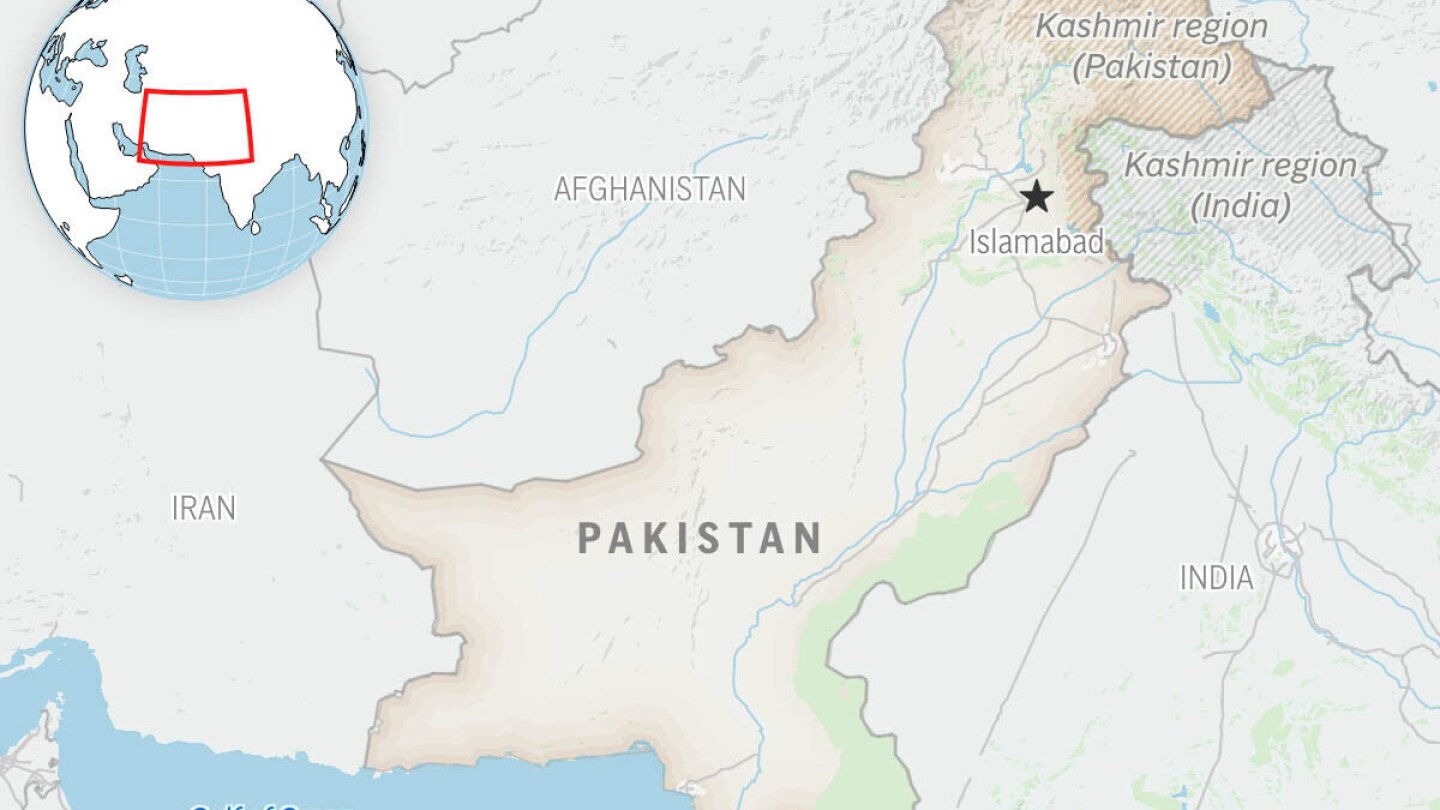
The blast occurred Friday in Faisalabad, a major industrial hub in Punjab province, when a boiler exploded with catastrophic force. The explosion completely flattened the factory building and damaged several nearby homes, triggering a massive fire that spread panic throughout the Malikpur neighborhood.
Police have arrested the factory manager and are searching for the factory owner, who reportedly fled the scene shortly after the explosion. While the exact cause remains under investigation, authorities indicated that a gas leak may have triggered the blast.
Punjab Police Chief Usman Anwar confirmed that an investigation is underway, while local administrator Raja Jahangir specifically noted that officials are examining how the factory obtained construction permits to operate in a residential zone—a clear violation of building regulations.
“The explosion completely flattened the factory,” Jahangir told reporters, explaining that rescue teams spent hours carefully extracting bodies and survivors from the rubble. Medical officials confirmed that several of the injured remain in critical condition at local hospitals.
The death toll includes both factory workers and residents from the surrounding neighborhood, though authorities have not yet specified the exact breakdown of casualties.
Witnesses described scenes of chaos and devastation following the explosion. Muhammad Iqbal, who was among the injured, told reporters from his hospital bed that the blast “felt like an earthquake” and caused roofs and walls of nearby houses to collapse. His wife and son were also injured but are reported to be in stable condition.
“I saw flames and thick smoke rising,” said Nadeem Zafar, a 45-year-old local resident who rushed outside after hearing what he described as a “deafening boom.” Speaking by phone to The Associated Press, he added, “People were screaming, running in every direction, calling for help.”
The powerful blast hurled debris across nearby streets and was so intense that many residents initially believed it was a bomb attack. Emergency responders arrived quickly to begin rescue operations in the densely populated area.
Punjab Chief Minister Maryam Nawaz Sharif expressed condolences to victims’ families and directed health authorities to provide optimal care for those injured in the blast.
The Faisalabad disaster highlights the persistent problem of industrial safety standards in Pakistan, where regulatory oversight is often lax and enforcement mechanisms remain weak. The country has experienced numerous similar incidents in recent years, particularly in industrial zones where factories operate with minimal safety protocols.
Earlier this year, a similar boiler explosion at a textile mill in the same city injured a dozen workers. Just last week, a blast at a fireworks factory in Pakistan’s southern port city of Karachi killed four people.
The clustering of industrial facilities in or near residential areas has been a longstanding issue in Pakistan’s rapidly growing urban centers. Safety experts have repeatedly called for stricter zoning laws and more rigorous enforcement of building codes to prevent such tragedies.
As rescue operations conclude, attention will likely turn to questions of accountability and whether systemic regulatory failures contributed to the high casualty count. For the residents of Malikpur, however, the immediate focus remains on treating the injured and coming to terms with the devastation that has transformed their neighborhood.
Fact Checker
Verify the accuracy of this article using The Disinformation Commission analysis and real-time sources.

16 Comments
A gas leak as the potential cause is troubling. Industrial facilities handling flammable materials need robust safety systems and regular inspections to mitigate such risks.
Absolutely. Proper maintenance and adherence to safety protocols are essential, especially in high-risk operations. Hopefully, this incident will lead to stricter enforcement.
This tragic event underscores the importance of workplace safety and the need for rigorous enforcement of building and zoning regulations. My condolences to the victims and their families.
Well said. Regulatory authorities must take decisive action to prevent similar incidents and hold responsible parties accountable. The safety of workers and communities should be the top priority.
While the exact cause is still under investigation, the loss of life is unacceptable. Strict adherence to safety standards and effective emergency response protocols are critical in the manufacturing industry.
You’re right. Ensuring that factories have robust safety measures and emergency plans in place can help mitigate the impact of such incidents and potentially save lives.
The fact that the factory was operating in a residential area raises serious questions about the local authorities’ oversight and enforcement of zoning regulations. This needs to be addressed.
Absolutely. Allowing industrial facilities to function in inappropriate areas is a recipe for disaster. Stronger coordination between regulatory bodies is essential to prevent such incidents.
My heart goes out to the victims and their loved ones. Such a devastating loss of life is unacceptable and underscores the importance of workplace safety.
Well said. Regulatory bodies must ensure that all industrial facilities, regardless of location, prioritize the safety and well-being of their workers and surrounding communities.
This is a tragic accident that highlights the need for stronger safety regulations and enforcement, especially in high-risk industrial sectors. My condolences to the victims’ families.
You’re right. Authorities need to thoroughly investigate this incident and ensure proper safety protocols are in place to prevent such disasters in the future.
This is a sobering reminder that industrial accidents can have catastrophic consequences. Rigorous inspections and enforceable safety standards are crucial to prevent such tragedies.
Agreed. Policymakers and industry leaders must work together to strengthen safety protocols and ensure full compliance, especially in high-risk sectors like manufacturing.
It’s concerning that this factory was allowed to operate in a residential area, clearly violating building regulations. Proper zoning and oversight are crucial for public safety.
I agree. The fact that the factory manager has been arrested and the owner is being sought suggests the authorities recognize the gravity of the situation.