


Listen to the article
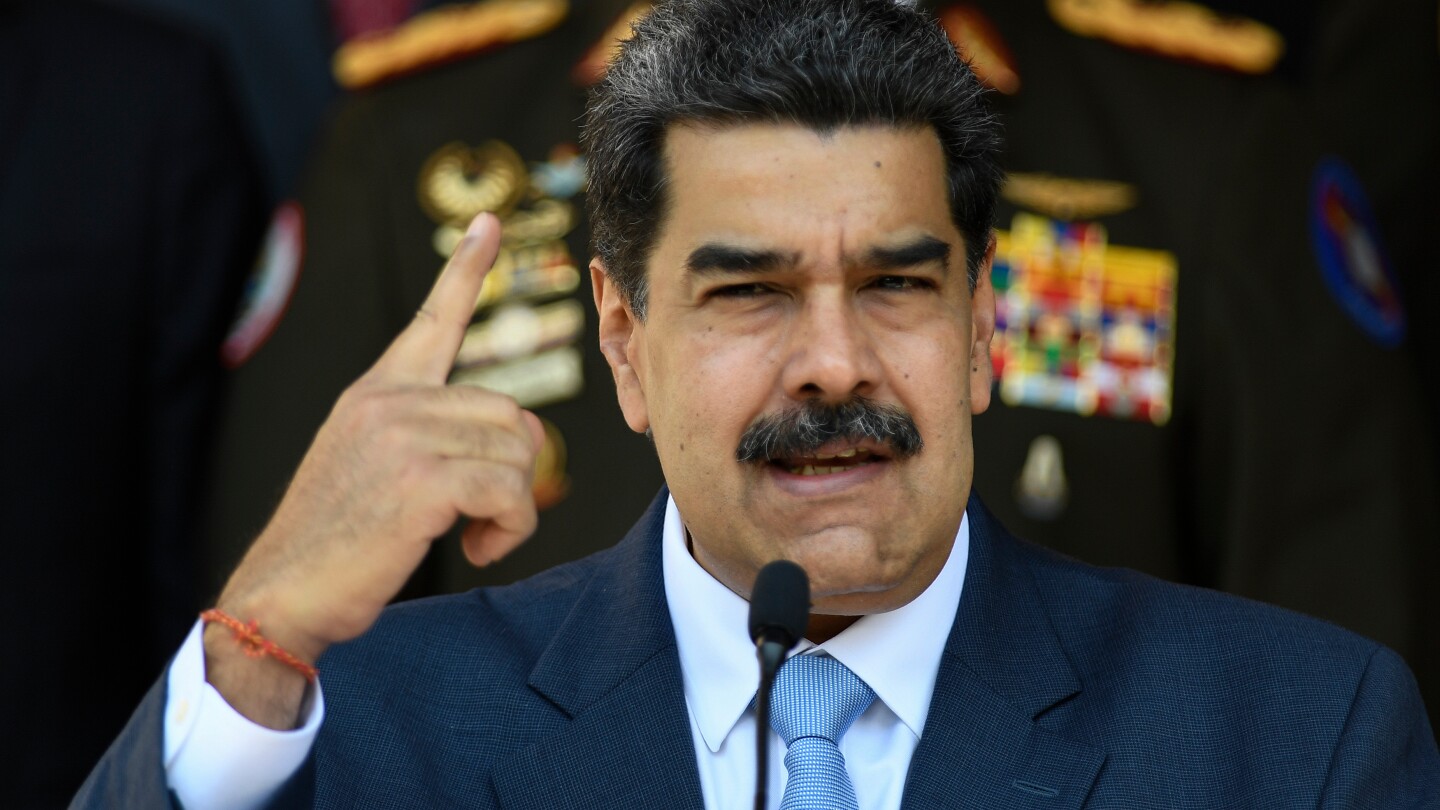
Prediction markets have surged into the spotlight following a controversial bet that netted an anonymous trader more than $400,000 after correctly wagering on the downfall of former Venezuelan President Nicolás Maduro. The transaction, which occurred on the platform Polymarket, has raised eyebrows because the majority of the trader’s bids were placed just hours before President Donald Trump announced the surprise raid that led to Maduro’s capture.
The timing has fueled speculation about potential insider trading, though some observers note that previous public speculation about Maduro’s future could have informed the wagers. Polymarket has not responded to requests for comment on the matter.
This incident highlights the growing influence of prediction markets, which allow users to place bets on everything from presidential elections to geopolitical conflicts and pop culture events. The commercial use of these platforms has exploded in recent years, creating new opportunities for speculation while operating in a regulatory environment distinct from traditional gambling.
On prediction markets, users purchase “event contracts” that essentially represent “yes” or “no” wagers on whether specific events will occur. These contracts are priced between $0 and $1, reflecting a 0% to 100% probability. As market sentiment shifts about the likelihood of an event, prices fluctuate accordingly, allowing traders to cash out early to secure profits or minimize losses.
“The train has left the station on these event contracts, they’re not going away,” said Melinda Roth, a visiting associate professor at Washington and Lee University’s School of Law.
Proponents argue that these markets produce valuable forecasting data, as people putting real money on outcomes have incentives to research thoroughly. Koleman Strumpf, an economics professor at Wake Forest University, points to prediction markets’ past success with certain election outcomes, though he cautions they’re never a “crystal ball.”
The anonymity of these platforms presents significant concerns. While companies verify user identities for compliance purposes, most trading occurs under pseudonyms, obscuring who profits from these wagers. Critics warn that the accessibility of 24/7 trading can exacerbate gambling problems and creates opportunities for insider trading.
Polymarket currently stands as the world’s largest prediction market, allowing users to fund contracts through cryptocurrency, credit cards, and bank transfers. Its main competitor, Kalshi, recently won court approval to permit Americans to bet on political races, expanding just weeks before the 2024 election. Kalshi also introduced sports trading about a year ago.
The regulatory landscape has shifted dramatically. Under the Biden administration, Polymarket was barred from operating in the U.S. following a 2022 settlement with the Commodity Futures Trading Commission (CFTC). However, under the Trump administration, Polymarket received clearance to return to the American market, though U.S. users currently join through a waitlist system.
Major players have rushed into the space. Sports betting giants DraftKings and FanDuel launched prediction platforms last month. Online broker Robinhood is expanding its offerings, and Trump’s Truth Social plans to offer an in-platform prediction market through a partnership with Crypto.com. Notably, Donald Trump Jr. holds advisory roles at both Polymarket and Kalshi.
The regulatory framework for these platforms creates significant loopholes. Because they sell “event contracts,” prediction markets fall under CFTC regulation rather than state-level gambling laws.
“It’s a huge loophole,” explained Karl Lockhart, an assistant professor of law at DePaul University. “You just have to comply with one set of regulations, rather than [rules from] each state around the country.”
This regulatory distinction has particular implications for sports betting. In states like California and Texas, where sports betting remains illegal, residents can now effectively wager on games through event contracts on prediction markets. Several states and tribes have filed lawsuits to halt this practice, with litigation potentially heading to the Supreme Court.
Federal law prohibits event contracts related to gaming, war, terrorism, and assassinations, though enforcement remains questionable. The CFTC, which oversees these markets, is significantly smaller than the Securities and Exchange Commission and is currently operating with only one of its five commissioner positions filled amid workforce cuts under the Trump administration.
The controversial Maduro bet has prompted some legislative action. On Friday, Democratic Rep. Ritchie Torres introduced a bill aimed at restricting government employees’ participation in politically-related event contracts, highlighting growing concerns about the potential for insider trading in this rapidly expanding market.
Fact Checker
Verify the accuracy of this article using The Disinformation Commission analysis and real-time sources.

8 Comments
Fascinating to see prediction markets gaining prominence, but this Maduro trade is concerning. The huge payout and suspicious timing raise red flags – did the trader have advance intel? Regulators should scrutinize this case closely to ensure the integrity of these platforms.
While prediction markets offer new ways to speculate, this Maduro trade seems problematic. The trader’s windfall in such a short time frame raises concerns about possible insider trading. Regulators should scrutinize the platform’s practices and safeguards to ensure fairness and transparency.
The growth of prediction markets is an interesting development, but this Maduro trade is concerning. The trader’s ability to profit so substantially from a major political event in such a short timeframe suggests potential improper access to confidential information. Regulators should investigate this case thoroughly.
The growth of prediction markets is an interesting development, but this Maduro trade seems problematic. I wonder if the trader had advance knowledge of the raid, which would be a serious breach of ethics and potentially illegal. Regulators should definitely investigate this further.
Agreed, the timing is highly suspicious. Prediction markets offer novel ways to speculate, but they need robust safeguards to prevent insider trading and other manipulative practices that undermine their integrity.
Prediction markets are an intriguing financial innovation, but this Maduro trade is troubling. The trader’s ability to capitalize so quickly on a major geopolitical event suggests potential insider information. Regulators need to investigate this thoroughly to maintain trust in these markets.
Prediction markets are an intriguing way to speculate on future events, but this Maduro trade raises some ethical concerns. While the trader may have just been ahead of the curve, the timing is suspicious and could indicate insider information. Regulators will likely want to look into this further.
You’re right, the speed and scale of this payout is quite remarkable. Prediction markets operate in a gray area, and this case highlights the need for greater oversight to ensure fairness and prevent abuse.