


Listen to the article
Researchers Unveil Promising New Approaches to Combat Malaria Drug Resistance
Two promising new approaches to fight malaria’s growing resistance to medication have been revealed by researchers, offering hope in the global battle against one of the world’s most persistent infectious diseases.
Switzerland-based pharmaceutical giant Novartis has developed a next-generation treatment called GanLum, which has shown impressive results in clinical trials across 12 African countries. The experimental drug effectively combats the mosquito-borne parasite that causes malaria and appears to block its spread.
“The parasite that causes the disease is developing resistance to existing drugs, meaning the ice is thinning,” warned Dr. David Sullivan, a malaria expert at Johns Hopkins University. “It hasn’t given way, but we’re concerned.”
GanLum combines a new drug, ganaplacide, with an existing long-acting medication, lumefantrine. In a study involving approximately 1,700 adults and children, GanLum demonstrated a cure rate exceeding 97%, slightly higher than common artemisinin-based treatments. Notably, it proved highly effective against mutant malaria parasites that have developed partial drug resistance.
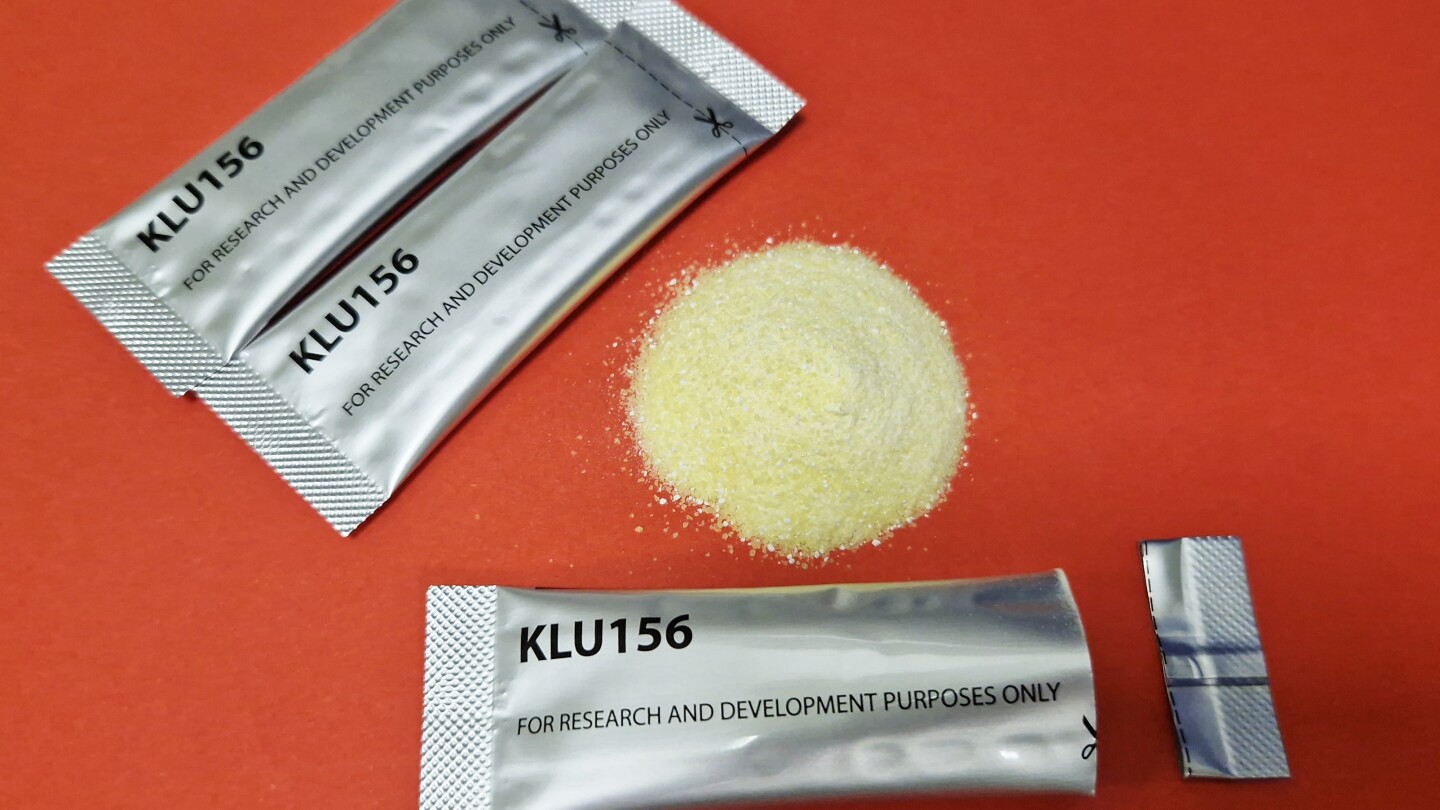
Currently administered as tiny powder-like granules once daily for three days, the treatment is still at least a year away from being available to patients. Novartis officials are actively working toward regulatory approvals, with George Jagoe of the Medicines for Malaria Venture, which collaborated with Novartis, expressing hope that GanLum could begin rolling out within 18 months.
Side effects of the new treatment include fever and anemia, similar to current antimalarials, though researchers noted a higher incidence of vomiting immediately after administration, possibly due to taste issues. The company is exploring flavoring or sweetening options to address this concern.
In a parallel development, researchers in West Africa have successfully tested a single-dose treatment combining four widely available malaria drugs, addressing one of the major challenges in malaria treatment: patient compliance.
Experts estimate that a third or more of malaria patients fail to complete the current standard three-day treatment course after feeling better, a behavior that encourages drug resistance and allows curable cases to worsen. This non-compliance has contributed significantly to the disease’s resilience.
Dr. Ghyslain Mombo-Ngoma led the Gabon study, treating more than 1,000 patients with a one-time combination of an artemisinin with three other antimalarial medications—pyronaridine, sulfadoxine, and pyrimethamine. The results were promising, with 93% of patients receiving the single-dose treatment showing no parasites in blood tests after 28 days, compared to 90% who received the standard three-day course.
Discussions are underway with drug manufacturers to produce a single capsule or packet of pills to create an inexpensive, easy-to-take cure. However, Dr. Sullivan cautioned that resistance is already established to some components of this treatment, suggesting it might prove to be “a short-term fix” rather than a long-term solution.
The battle against malaria has experienced significant ups and downs over the decades. At the beginning of this century, resistance to chloroquine was widespread, and malaria claimed more than 1.8 million lives annually. The introduction of artemisinin-based compounds helped drive a dramatic decline in global malaria death rates, but signs of partial resistance have emerged, and progress has stalled or even reversed in some regions.
Malaria continues to exact its heaviest toll in sub-Saharan Africa, particularly among children. The parasite spreads through mosquito bites, causing fever, chills, and flu-like symptoms that can lead to severe complications or death if left untreated.
Dr. Andrea Bosman, a malaria expert with the World Health Organization, noted that these new treatment approaches could complement other malaria-fighting efforts, including treated mosquito bed nets and new vaccines. However, he expressed concern about recent funding cuts from the United States and other sources, which could hamper efforts to monitor drug resistance and provide prevention and treatments to affected populations.
“The eyes on the problem are going to be blinded” as aid to malaria-stricken countries declines, Bosman warned, highlighting the critical need for sustained global commitment to combat this persistent threat to public health.
Fact Checker
Verify the accuracy of this article using The Disinformation Commission analysis and real-time sources.

10 Comments
Malaria remains a scourge, especially in sub-Saharan Africa. Developing effective, affordable treatments is vital. I hope these new approaches from Novartis can make a real difference on the ground.
Agreed. Accessibility and affordability will be key factors in how impactful these new malaria drugs can be. The global health community will be watching closely.
Tackling malaria is a global public health priority. While these new drugs offer hope, I’m curious to learn more about their costs and accessibility, especially in lower-income regions most impacted.
Developing new malaria treatments is crucial as drug resistance grows. This innovative combo approach from Novartis looks promising, with high cure rates even against resistant parasites. Addressing this global health threat is vital.
Agreed, the rise of resistant malaria strains is a major concern. This new treatment could be a game-changer if it proves effective in broader trials.
Malaria’s ability to develop resistance to existing drugs is a major obstacle. These new treatments from Novartis sound promising, but I wonder how durable the efficacy will be long-term.
That’s a fair question. Resistance can emerge quickly, so ongoing monitoring and adaptation will be critical. Still, any advancement against this deadly disease is welcome.
Malaria remains one of the deadliest infectious diseases worldwide. I’m encouraged to see pharma companies investing in novel therapies to stay ahead of the parasite’s evolving resistance.
Absolutely. Innovative solutions are desperately needed to combat this persistent public health challenge. Hopefully these new treatments can make a real difference.
Drug resistance is a constant threat when it comes to infectious diseases like malaria. It’s good to see progress on new treatment approaches, but vigilance will be key going forward.