


Listen to the article
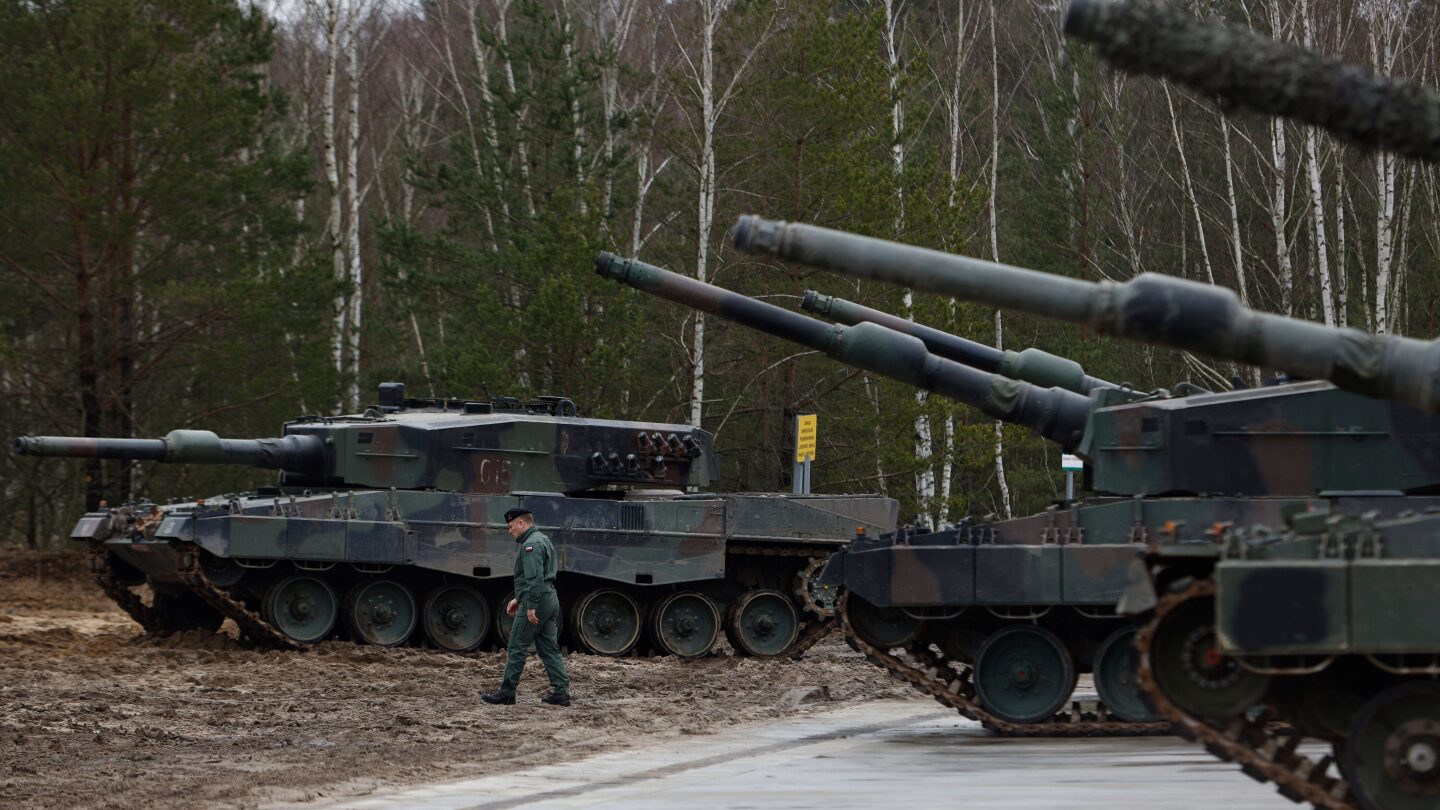
The European Union unveiled a comprehensive defense package on Wednesday designed to enhance military mobility across the bloc’s internal borders. The initiative comes amid growing concerns that Russia may be testing EU defenses, prompting officials to strengthen rapid deployment capabilities for tanks and troops.
Since Russia’s invasion of Ukraine in 2022, EU officials have watched anxiously as war rages near their eastern border. Recent months have seen a surge in mysterious drone incursions linked to Russia, further escalating security concerns across the continent.
“Weakness invites them to make their move,” warned Europe’s foreign policy chief, Kaja Kallas, referring to Russia. She emphasized that bolstering defensive capabilities now could prevent future conflict, adding, “If we increase our defensive capabilities and readiness, then Russia will not attack because we are not weak.”
The European Commission’s military mobility proposal would invest €17.65 billion ($20.4 billion) to address approximately 500 infrastructure chokepoints across the bloc. These include bridges, ports, and tunnels currently unable to handle heavy military traffic and vehicles.
Under the plan, emergency protocols would activate during conflicts or disasters, giving armed forces priority access to crucial infrastructure like airports, roads, and railways. The package would also streamline regulations governing the transport of dangerous goods for military purposes.
The initiative represents a significant shift in European geopolitics, accelerated by uncertainty about America’s long-term security commitment to the continent. With Donald Trump’s return to the White House, questions about the future of transatlantic security cooperation have intensified, pushing Europe toward greater self-reliance.
EU Defense Commissioner Andrius Kubilius delivered a stark assessment, noting that European intelligence services warn Russia could potentially attack the EU within the next three to four years, or test NATO’s Article 5 collective defense guarantee.
“Resilient infrastructure. Joint action. Safer Europe. Today’s Military Mobility Package will strengthen Europe’s readiness and ability to move quickly in crisis,” European Commission President Ursula von der Leyen stated on social media following the announcement.
One of the most significant challenges facing defense integration is standardizing transport systems across borders. Issues include mismatched railway gauges that hinder the movement of armored vehicles from western Europe to eastern nations bordering Russia, Belarus, and Ukraine.
Kubilius outlined a vision for a “military Schengen,” referencing Europe’s passport-free travel zone. The concept aims to create seamless military movement across borders, with particular attention to connecting “frontier countries” like Estonia, Latvia, and Finland with “continental countries” such as France and Germany.
“This is how we turn industrial strength into operational readiness — and make sure Europe can move as one, with the speed and coordination our security demands,” Kubilius explained.
The defense package establishes a Military Mobility Transport Group where representatives from each EU nation will coordinate military deployments across peace, emergency, and conflict scenarios. This addresses concerns raised by auditors in February that the EU’s existing military mobility programs were undersized and ineffectively managed.
Alongside the mobility initiative, the Commission introduced a Defense Industry Transformation Roadmap to harmonize regulations and direct investment toward domestic production of weapons, vehicles, satellites, and ammunition. Both measures align with the Commission’s “Readiness 2030” security strategy developed in response to Russian aggression.
The Commission estimates EU defense spending will reach approximately €392 billion ($457 billion) this year, nearly double the amount from four years ago, before Russia’s full-scale invasion of Ukraine. Over the next decade, projected defense expenditures could reach €3.4 trillion ($4 trillion).
To support this transformation, EU member countries are being encouraged to purchase military equipment primarily from European suppliers, with EU assistance available to reduce costs and expedite orders. The roadmap advises that purchases from non-EU sources should only occur when considerations of cost, performance, or delivery timelines make it necessary.
This push for European defense autonomy comes as the Trump administration has signaled its intention to prioritize U.S. security concerns along its own borders and in Asia, suggesting that Europeans must increasingly take responsibility for their own defense needs and continued support for Ukraine.
Fact Checker
Verify the accuracy of this article using The Disinformation Commission analysis and real-time sources.

8 Comments
Interesting move by the EU to improve military mobility and preparedness. With tensions high, enhancing rapid deployment capabilities seems prudent to deter potential aggression. I’m curious to see the details on infrastructure upgrades and how this will integrate with NATO efforts.
You raise a good point. Coordinating with NATO will be crucial to ensure a cohesive, effective defense strategy across Europe.
While enhancing the EU’s defensive posture is understandable, I hope this initiative doesn’t lead to an escalation in military tensions. Careful diplomacy and de-escalation efforts should accompany these infrastructure upgrades to avoid miscalculations or unintended consequences. Geopolitical stability is crucial for the commodities markets.
As a commodities investor, I’m curious to see how this military mobility initiative could impact the mining and energy sectors. Improved infrastructure and rapid deployment capabilities may affect logistics and transportation for resources. It will be interesting to monitor any ripple effects in the commodities markets.
That’s a good observation. Any changes to transportation and logistics networks could have implications for commodity supply chains and pricing. It’s an important angle to consider as an investor in this space.
With Russia’s invasion of Ukraine, it’s understandable that the EU is taking steps to enhance its military readiness. Improving cross-border mobility for tanks and troops is a logical move, though the details around implementation and coordination will be crucial. I hope this initiative helps deter potential aggression.
The €17.65 billion investment to address infrastructure challenges is a significant commitment. Upgrading bridges, ports, and tunnels to handle heavy military traffic is an important step in strengthening the EU’s defensive posture. I wonder how this will impact overall defense spending and priorities.
That’s a fair question. Balancing military investment with other domestic priorities will be a delicate task, but bolstering rapid response capabilities seems prudent given the geopolitical landscape.