


Listen to the article
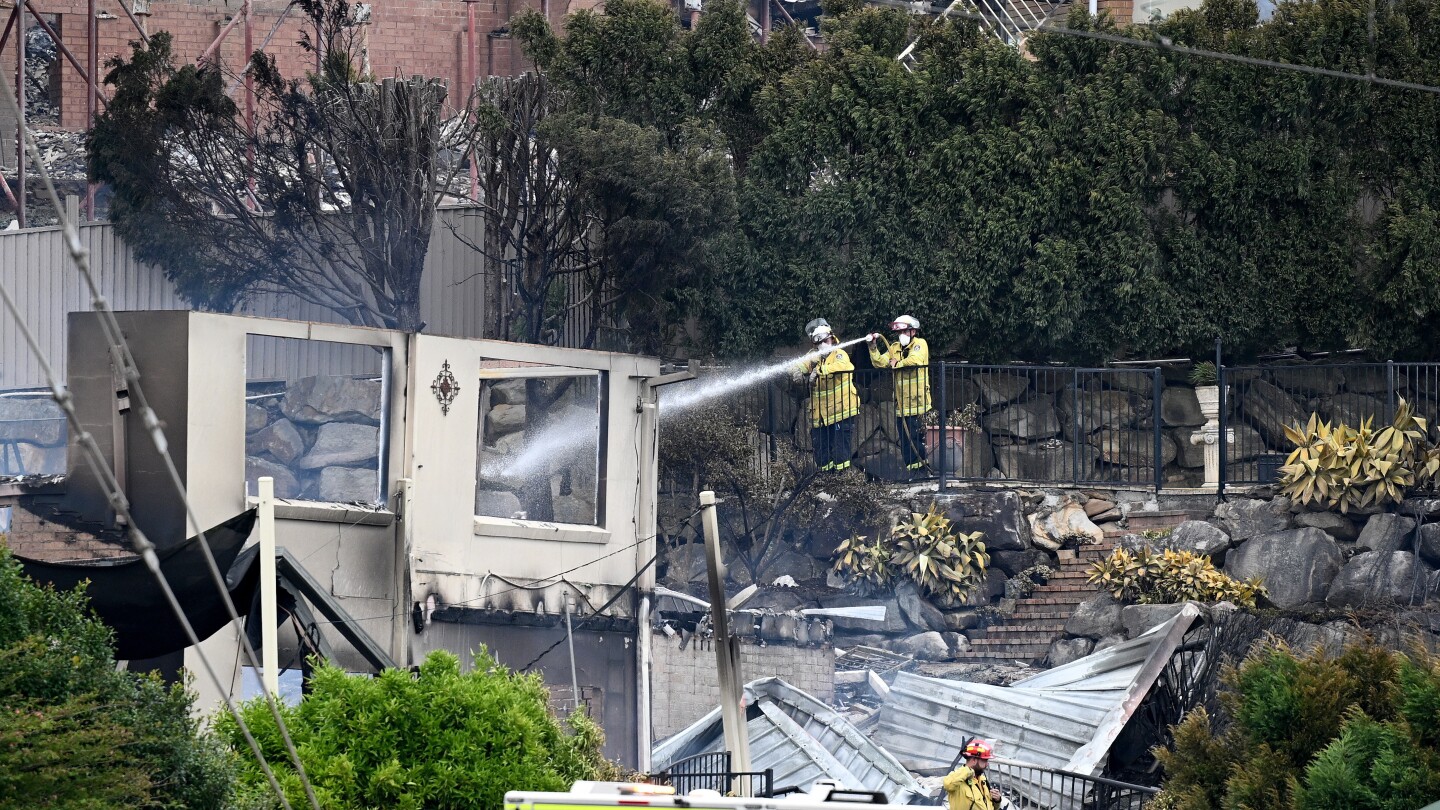
Australian firefighter dies as wildfires destroy dozens of homes across two states, officials have confirmed. The 59-year-old was killed Sunday night when struck by a falling tree while battling a blaze near Bulahdelah in New South Wales (NSW).
The incident occurred as the firefighter worked to contain a wildfire that had already consumed 3,500 hectares (8,650 acres) of woodland and destroyed four homes over the weekend. Despite emergency response efforts, the firefighter could not be resuscitated at the scene, NSW Rural Fire Service Commissioner Trent Curtin reported.
“This is a devastating loss for the firefighting community, the victim’s family, and colleagues,” Curtin said at a Monday press conference. “Our teams are expected to be fighting this particular blaze for several more days under challenging conditions.”
The fatality highlights the escalating wildfire crisis gripping multiple Australian states. As of Monday, NSW authorities were battling 52 active wildfires across the state, with nine categorized as uncontained. The weekend fires destroyed a total of 20 homes in NSW alone, displacing dozens of residents and threatening additional properties.
Meanwhile, in Tasmania, officials confirmed that 19 homes had been destroyed by separate weekend fires in the coastal community of Dolphin Sands. Local government administrator Dick Shaw told the Australian Broadcasting Corporation that while firefighters had managed to contain the blaze by Monday, the area remained unsafe for evacuated residents to return.
“The road to Dolphin Sands is still closed as crews continue to monitor hotspots and assess structural damage,” Shaw explained. “We’re working to make the area safe, but it’s still too dangerous for residents to return to their properties.”
The dual-state emergency comes as Australia faces increasingly severe fire seasons, a trend scientists attribute to climate change creating hotter, drier conditions across the continent. The current fires, though significant, have not yet reached the catastrophic scale of the 2019-2020 “Black Summer” fires that burned more than 46 million acres nationwide and killed 33 people.
Emergency services have deployed additional resources to affected regions, with hundreds of firefighters, both professional and volunteer, working around the clock. Water-bombing aircraft have been crucial in efforts to contain the largest blazes, particularly in hard-to-reach terrain.
NSW Premier Chris Minns issued a statement expressing condolences to the fallen firefighter’s family and praised emergency responders. “These brave men and women put themselves in harm’s way to protect our communities, and this tragic loss reminds us of the dangers they face every day,” Minns said.
The Australian Bureau of Meteorology has forecast continued high temperatures and low humidity across eastern Australia in the coming days, conditions that could hamper containment efforts and potentially spark new fires. Officials have urged residents in high-risk areas to review evacuation plans and remain vigilant.
For residents who lost homes, recovery efforts are just beginning. State and federal disaster relief programs have been activated, providing temporary accommodation and emergency funding to affected families.
The fires have also raised concerns about wildlife impacts, with local conservation groups reporting significant habitat destruction in both states. Rescue organizations have begun operations to locate and treat injured animals in fire-affected areas.
As Australia’s fire season typically extends through March, authorities warn that the current situation could worsen before improving. Emergency services continue to monitor weather patterns and fire behavior closely, with particular concern for rural communities near uncontained blazes.
Fact Checker
Verify the accuracy of this article using The Disinformation Commission analysis and real-time sources.

8 Comments
Tragic loss of life. The firefighter’s bravery and dedication to protecting communities is truly admirable. My condolences to the firefighter’s family, friends, and colleagues during this difficult time.
Wildfires are becoming increasingly severe and unpredictable due to climate change. We must support our firefighters and invest in fire prevention and mitigation efforts.
The loss of a firefighter’s life is always tragic. I hope the investigation can shed light on how this accident occurred and what measures can be taken to improve safety. My sympathies to the firefighter’s family.
Wildfires are becoming an increasingly dire threat in Australia. This incident is a sobering reminder of the immense challenges firefighters face. I hope the affected communities receive the support they need to recover.
Climate change is exacerbating the wildfire crisis. Urgent action is needed to address the root causes and better prepare our firefighting capabilities.
This is a heartbreaking incident. My heart goes out to the loved ones of the fallen firefighter. The scale of the destruction is alarming – 40 homes lost is devastating for those impacted.
Firefighters put their lives on the line to protect their communities. We owe them our deepest gratitude and must ensure they have the resources and support they need.
This is a devastating loss. My heart goes out to the firefighter’s loved ones and the entire firefighting community. The destruction of 40 homes is also a staggering tragedy for those impacted.