


Listen to the article
Indonesia Declares End to Polio Outbreak After Three-Year Response
The World Health Organization has officially declared Indonesia’s polio outbreak over following nearly three years of intensive response efforts, health officials announced Friday.
Indonesia had previously eliminated polio in 2014, but an outbreak emerged in 2022 in the country’s conservative Aceh province. The resurgence was triggered by a dangerous combination of consistently low routine immunization rates and poor environmental conditions. In 2021, only 50.9% of infants born in Aceh received polio vaccinations, well below the levels needed for community protection.
Officials noted that immunization rates in Aceh lagged significantly behind the rest of the country, with efforts hampered by widespread disinformation that vaccines were incompatible with religious beliefs. The government’s focus on COVID-19 vaccinations during the pandemic also diverted resources from routine immunization programs.
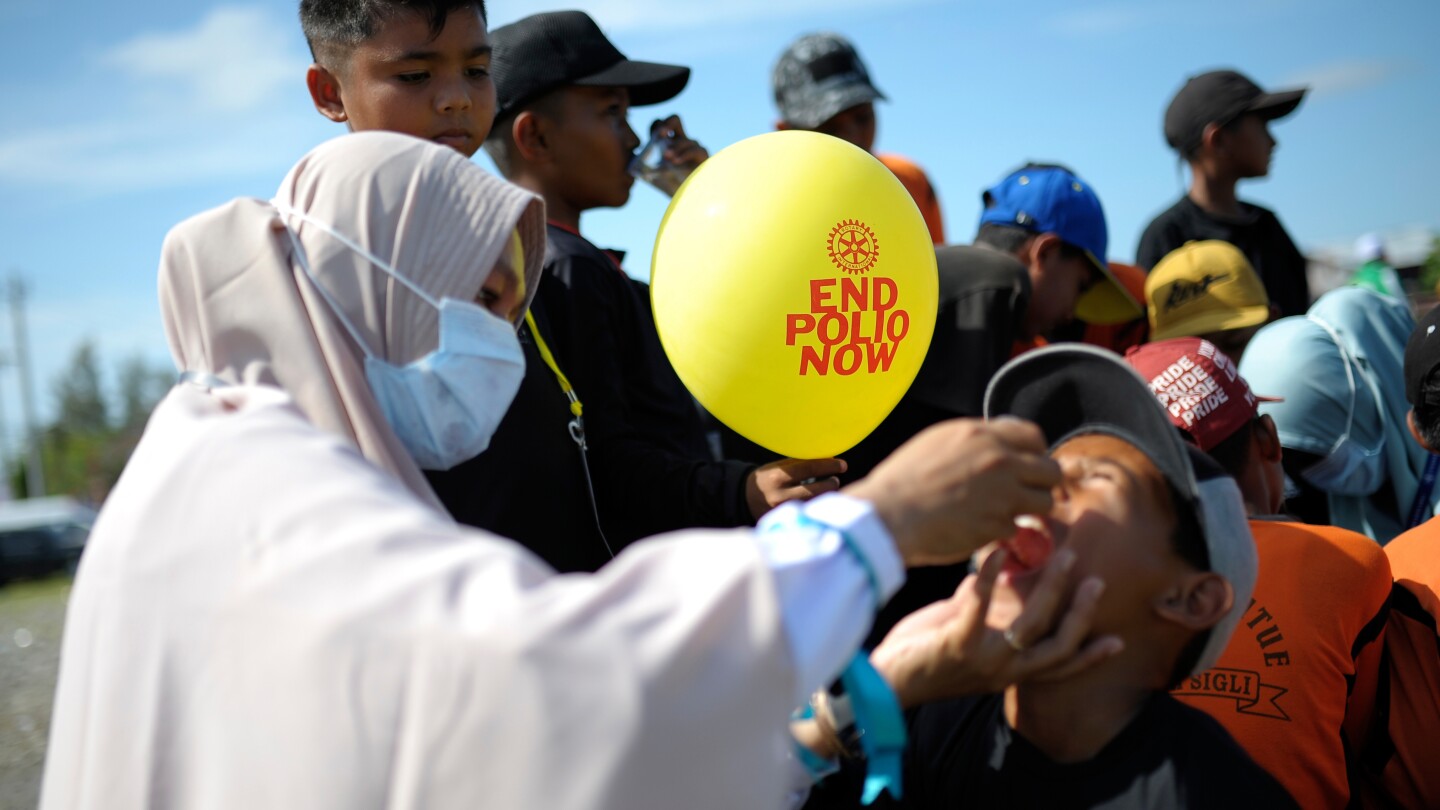
As the outbreak spread beyond Aceh, cases appeared in eight additional provinces: Banten, West Java, Central Java, East Java, North Maluku, Central Papua, Highland Papua and South Papua. This prompted authorities to launch a massive immunization and information campaign. Health workers administered nearly 60 million additional doses of polio vaccine to children across the country during the response.
The last confirmed case was recorded in South Papua province in June 2024. Since then, no polio has been detected in children or the environment, leading the WHO to officially declare the outbreak over on Wednesday.
“This achievement is due to the dedication of health workers and the commitment of parents and communities,” said Indonesian Health Minister Budi Gunadi Sadikin in Friday’s joint announcement with the WHO.
Dr. Saia Ma’u Piukala, WHO’s Western Pacific Regional Director, called Indonesia’s success “a critical step toward global eradication” while emphasizing the need for continued vigilance. “I urge all our 38 countries and areas to remain vigilant. One day polio will be just a memory. Until then, we vaccinate,” Piukala said.
Indonesia’s response included two rounds of nationwide immunization using novel oral polio vaccine type 2, alongside efforts to improve routine vaccination coverage. The country saw significant progress in immunization rates, with second-dose inactivated polio vaccine coverage rising from 1.9 million children (63%) in 2023 to 3.2 million children (73%) in 2024.
The introduction of a hexavalent vaccine played a crucial role in this improvement, reducing the number of injections children receive while accelerating immunity development against multiple diseases, not just polio.
Health Minister Sadikin pledged to keep Indonesia polio-free through strengthened routine immunization, enhanced surveillance systems, cross-sectoral collaboration, and community support programs. “Every child deserves protection,” he said. “We cannot be complacent, however. The risk of polio remains, especially with the gaps in immunization coverage in several provinces in Indonesia.”
The recent success marks an important milestone in global efforts to eradicate polio, one of the world’s most serious vaccine-preventable diseases that can cause permanent paralysis and death. Only a few countries continue to report endemic wild poliovirus transmission, with Pakistan and Afghanistan facing the greatest challenges.
UNICEF Indonesia Representative Maniza Zaman praised the collaborative effort that led to the outbreak’s end. “This shows what is possible when communities, health workers and partners unite,” Zaman said. “We must keep up the momentum, so every child receives the immunization they need to grow up healthy and free from polio and other vaccine-preventable diseases.”
Health experts note that maintaining high vaccination rates remains essential, as polio can spread silently for months before causing visible paralysis. Just one infected child can put thousands at risk in areas with low immunization coverage, making continued public health education and routine vaccination critical to preventing future outbreaks.
Fact Checker
Verify the accuracy of this article using The Disinformation Commission analysis and real-time sources.

12 Comments
This is great news, but the resurgence of polio in Indonesia is a reminder that the fight against vaccine-preventable diseases is never over. Vigilance and ongoing efforts will be required.
You’re right. Even countries that have eliminated polio in the past can see it reappear if vaccination rates slip. Maintaining high coverage is crucial.
Polio eradication has been a global priority for decades, so it’s encouraging to see Indonesia succeed in stopping its recent outbreak. Consistent vaccination is clearly the key to keeping the country polio-free.
Absolutely. Widespread immunization is the best defense against polio. Indonesia will need to stay the course to sustain this achievement.
The end of Indonesia’s polio outbreak is a public health win, but the challenges they faced in restoring vaccination rates are concerning. Addressing vaccine hesitancy and ensuring routine immunization access will be critical going forward.
Agreed. Overcoming misinformation and making vaccines readily available, especially in remote areas, will be essential to maintaining polio elimination.
Polio eradication is a remarkable global health accomplishment, and I’m glad to see Indonesia join the list of countries that have eliminated the disease. However, the resurgence highlights how fragile this progress can be without sustained vaccination efforts.
Well said. Complacency is the enemy of public health victories like this. Indonesia must remain vigilant to prevent polio from ever returning.
Polio is a serious disease, so this is an important public health victory for Indonesia. I hope they can maintain high vaccination levels to keep the country polio-free going forward.
Agreed. Consistent routine immunization is key to sustaining polio elimination. Indonesia should work to address the root causes of low vaccination rates in places like Aceh.
Glad to hear Indonesia has finally eradicated polio after a tough fight. Overcoming vaccine hesitancy and restoring routine immunization rates will be crucial to prevent future outbreaks.
Yes, the vaccination campaign was clearly a huge undertaking. Kudos to the health authorities for persevering despite the challenges.