


Listen to the article
White House Defends Navy Admiral’s Caribbean Drug Boat Strike Decision as Congressional Scrutiny Grows
The White House on Monday defended a U.S. Navy admiral’s decision to order a second strike on an alleged drug smuggling vessel in the Caribbean Sea, stating he acted “within his authority and the law” during the controversial September operation that has sparked bipartisan concern in Congress.
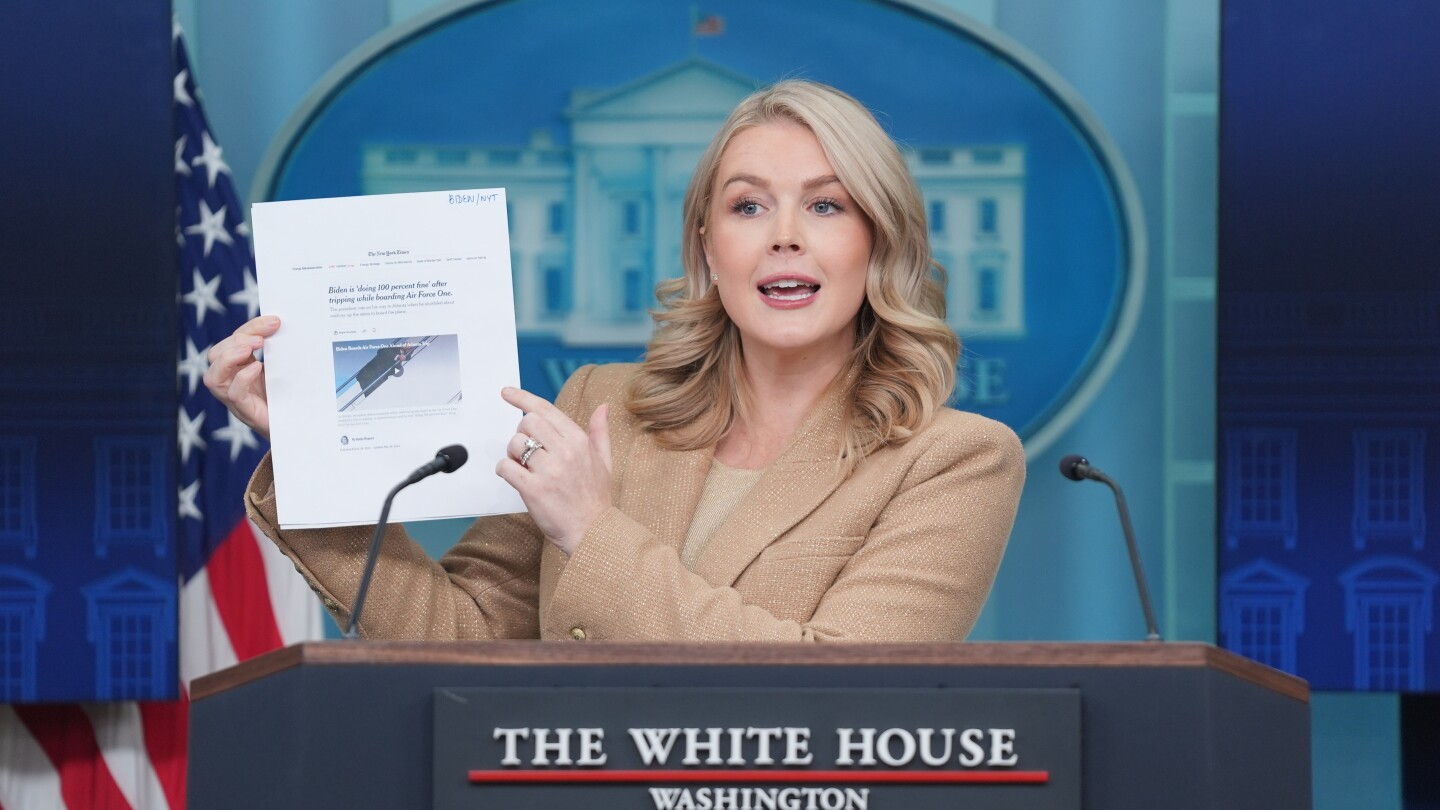
White House press secretary Karoline Leavitt said Vice Adm. Frank “Mitch” Bradley ordered the follow-up strike that is now under intense scrutiny following a Washington Post report suggesting there were survivors after the initial attack. Her explanation came after President Donald Trump said a day earlier that he “wouldn’t have wanted that — not a second strike” when asked about the incident.
“Secretary Hegseth authorized Admiral Bradley to conduct these kinetic strikes,” Leavitt told reporters. “Admiral Bradley worked well within his authority and the law, directing the engagement to ensure the boat was destroyed and the threat to the United States of America was eliminated.”
Defense Secretary Pete Hegseth later posted on social media: “Admiral Mitch Bradley is an American hero, a true professional, and has my 100% support. I stand by him and the combat decisions he has made — on the September 2 mission and all others since.”
The incident is part of a broader military operation targeting suspected drug-smuggling vessels in Caribbean and eastern Pacific waters. The operations have resulted in more than 80 deaths and have raised significant questions about their legal justification and execution.
Congressional leaders have announced they will conduct a thorough review of the operations. Bradley is expected to provide a classified briefing to lawmakers overseeing military operations on Thursday.
Congressional Reaction
Lawmakers from both parties expressed concern about the reported second strike, with some demanding the release of video footage. Senate Democratic leader Chuck Schumer called Hegseth a “national embarrassment” over his response to critics and demanded that the defense secretary release video of the strike and testify under oath.
“If they’ve done nothing wrong, then that video should exonerate them completely. Why don’t they release it?” asked Sen. Jack Reed, the top Democrat on the Senate Armed Services Committee.
Senate Majority Leader John Thune took a more measured approach, saying the operations are necessary to stem the flow of illegal narcotics into the United States. “I don’t think you want to draw any conclusions or deductions until you have all the facts,” he said regarding the September 2 strike.
Republican Sen. Roger Wicker of Mississippi, chairman of the Senate Armed Services Committee, pledged a thorough investigation. “We’ll find out the ground truth,” he said, acknowledging the “serious charges” raised by the report.
In the House, Rep. Mike Rogers, the Republican chair of the Armed Services Committee, said he was “satisfied” after speaking with Hegseth but still wanted to hear directly from Bradley. “We’ll all have clarity on Thursday afternoon,” Rogers said.
Military Leadership Response
Gen. Dan Caine, chairman of the Joint Chiefs of Staff, spoke over the weekend with congressional defense committee leaders, emphasizing “his trust and confidence in the experienced commanders at every echelon,” according to a statement from his office.
The statement added that the call focused on “addressing the intent and legality of missions to disrupt illicit trafficking networks which threaten the security and stability of the Western Hemisphere.”
Hegseth has forcefully rejected criticism of the operations. “Fake news is delivering more fabricated, inflammatory, and derogatory reporting to discredit our incredible warriors fighting to protect the homeland,” he wrote Friday on X. He insisted that “our current operations in the Caribbean are lawful under both U.S. and international law, with all actions in compliance with the law of armed conflict.”
Venezuela Connection
The military operations have heightened tensions with Venezuela, whose president, Nicolás Maduro, has condemned the U.S. actions. The Trump administration has linked some drug trafficking operations to Maduro’s government and is reportedly considering strikes on Venezuelan mainland targets.
Trump met Monday with his national security team to discuss ongoing operations and potential next steps against Venezuela. The president confirmed he had recently spoken by phone with Maduro but declined to provide details of their conversation.
Speaking to supporters in Caracas on Monday, Maduro said U.S. pressure has “tested” the country but Venezuelans are ready “to defend it and lead it to the path of peace.”
“We have lived through 22 weeks of aggression that can only be described as psychological terrorism,” Maduro said.
Venezuela’s National Assembly has announced its own investigation into the U.S. strikes. Assembly President Jorge Rodríguez said lawmakers will investigate “the serious events that led to the murder of Venezuelans in the waters of the Caribbean Sea” — the first acknowledgment by a Maduro government official that Venezuelans have been killed in the U.S. operations.
The controversy comes amid a significant U.S. military buildup near Venezuela, including the deployment of America’s largest aircraft carrier, as tensions between the two nations continue to escalate under Trump’s second administration.
Fact Checker
Verify the accuracy of this article using The Disinformation Commission analysis and real-time sources.

5 Comments
This is a complex and concerning incident. I’m curious to know more about the details and justifications for the second strike. Was there clear evidence of a drug trafficking threat, and were all procedures followed properly?
Interesting to see the mixed messaging from the administration on this. The president seems to have some reservations, while other officials are adamantly defending the strike. I’d like to understand the full context and rationale behind this decision.
As a mining and commodities investor, I’ll be closely watching how this situation unfolds and what it means for operations and risks in the Caribbean basin. Transparency and accountability will be key.
The White House’s defense of the admiral’s actions seems focused on legality, but I wonder if there are also important ethical and humanitarian considerations at play here. Hopefully Congress can thoroughly investigate the situation.
As someone who follows news on the global commodities and energy markets, I’m curious how this incident may impact regional security and supply chains in the Caribbean. It could have wider economic implications that are worth exploring.