


Listen to the article
U.S. military strikes on alleged drug boats near Venezuela have intensified congressional scrutiny following revelations about a controversial September 2 attack that killed survivors clinging to wreckage, lawmakers learned this week.
The incident marks a significant expansion of American military tactics in the fight against drug trafficking. Since initiating this campaign, U.S. forces have destroyed over 20 vessels and killed more than 80 people in international waters, raising serious questions about the legal foundation for these operations and potential violations of armed conflict laws.
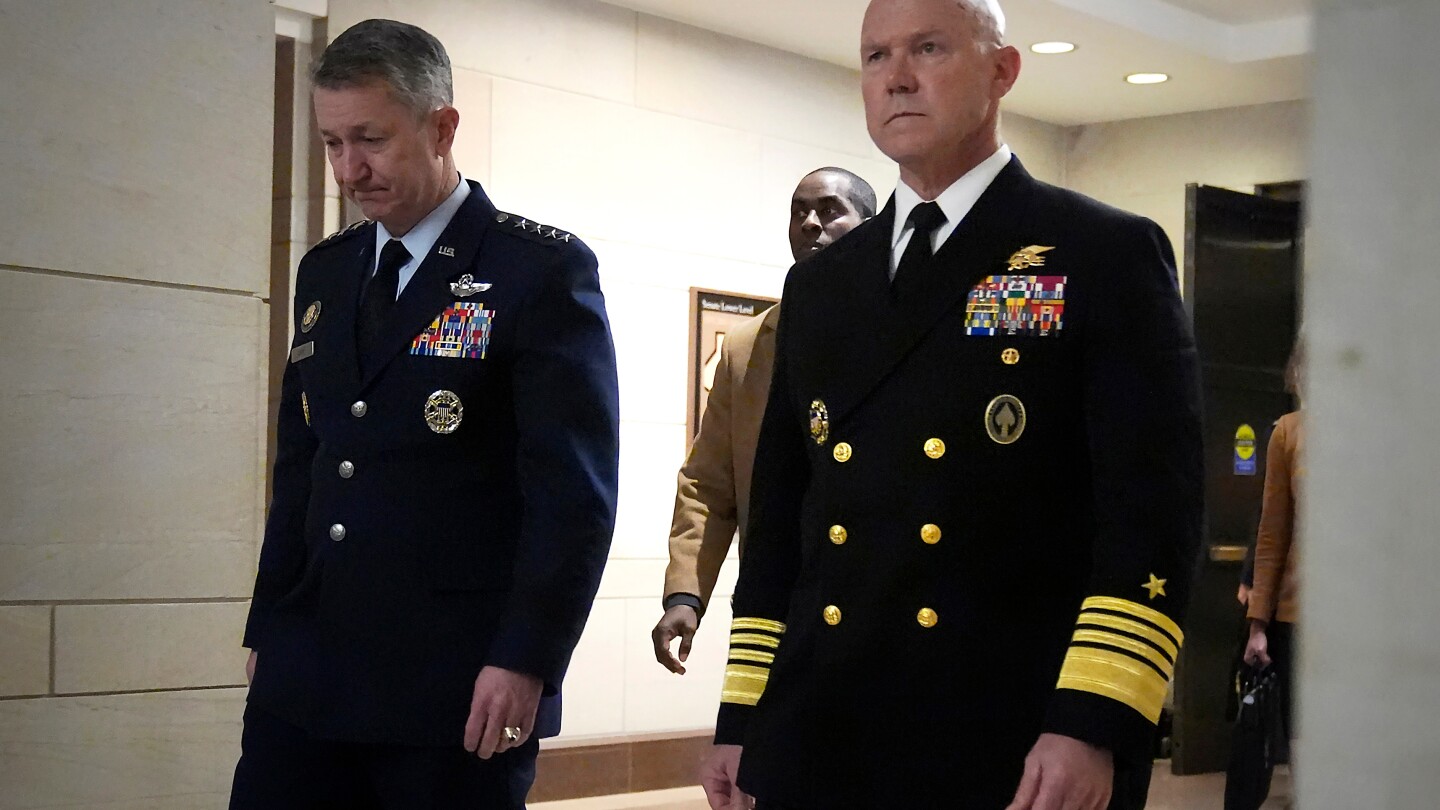
During closed-door briefings on Capitol Hill, Admiral Frank “Mitch” Bradley, who ordered the initial strikes, confirmed to lawmakers that a second attack was authorized against survivors from a boat allegedly carrying cocaine. Bradley explained that the follow-up strike targeted two shirtless individuals seen clinging to floating wreckage, at one point waving, because officials believed cocaine bales remained in the hull.
“They were drifting in the water — until the missiles come and kill them,” said Rep. Adam Smith, the ranking Democrat on the House Armed Services Committee, calling the killings “deeply concerning.”
Republican Senator Tom Cotton offered a different interpretation, suggesting video footage showed the survivors attempting to flip over part of the boat, which he considered evidence they were “trying to stay in the fight” and remained legitimate targets.
The Associated Press confirmed late Friday that lawmakers were told the boat was en route to rendezvous with another vessel bound for Suriname, according to a person familiar with the situation who spoke on condition of anonymity. A second source indicated the boat was heading south when struck.
The legal justification for these operations hinges on a classified Department of Justice opinion that reportedly treats drug smugglers en route to the U.S. as equivalent to terrorist threats. This dramatic reframing allows the military to apply counterterrorism rules of engagement rather than traditional law enforcement approaches typically handled by the Coast Guard.
“The people in the boat, as a matter of the law of armed conflict, are not fighters,” said Michael Schmitt, a former Air Force lawyer and professor emeritus at the U.S. Naval War College. “All they are is transporting drugs.”
Defense Secretary Pete Hegseth has denied issuing any “kill them all” directive, though Democratic lawmakers argue the mission’s scope clearly intended lethal force against all eleven people aboard the targeted vessel. Bradley confirmed no explicit order existed to kill all occupants.
Congressional investigators discovered troubling timeline discrepancies. The Justice Department’s Office of Legal Counsel opinion authorizing these operations wasn’t signed until September 5, three days after the controversial attack. More concerning to lawmakers, military lawyers for the special operations and southern commands didn’t receive access to the legal opinion until mid-November.
“This briefing confirmed my worst fears about the nature of the Trump administration’s military activities,” said Senator Jack Reed, the top Democrat on the Armed Services Committee. “This must and will be only the beginning of our investigation into this incident.”
Democratic lawmakers are seeking the written execute order containing the rules of engagement soldiers were expected to follow. They also want to understand what verbal instructions Hegseth may have communicated by reviewing transcripts or interviewing participants. Questions remain about why Hegseth wasn’t present in the operations room during the second strike that killed the survivors.
Additionally, lawmakers want to hear from Navy Admiral Alvin Holsey, who commanded U.S. forces in Central and South America during the campaign but is now retiring early, as announced by Hegseth last month.
Despite mounting congressional pressure, the military appears undeterred. Immediately following Thursday’s contentious briefings, the Pentagon announced another strike against a suspected drug boat, killing four additional people and bringing the campaign’s death toll to at least 87.
The outcome of these congressional investigations could have profound implications for U.S. military operations under President Trump’s second term and may significantly influence the already tense relationship between Washington and Venezuela.
Fact Checker
Verify the accuracy of this article using The Disinformation Commission analysis and real-time sources.

10 Comments
This is a very disturbing and troubling development. Destroying vessels and killing survivors, even those suspected of drug trafficking, appears to be a clear violation of international laws and norms around armed conflict. Serious questions must be answered.
As someone who follows issues around mining, energy, and commodities, I find these revelations about U.S. boat strikes and the killing of survivors to be deeply concerning. This appears to be a very troubling misuse of military force that violates international laws. There needs to be a full accounting.
The revelations about these boat strikes are deeply disturbing. Killing survivors who are drifting in the water is a shocking violation of armed conflict principles. This merits urgent Congressional oversight and an independent review.
Absolutely. The legal justification and rules of engagement for these operations need to be examined very closely. Targeting survivors is unacceptable and appears to contravene basic humanitarian laws of warfare.
This seems like a very troubling and concerning incident. Destroying vessels and killing survivors raises serious legal and humanitarian questions. I hope there is a thorough investigation to understand the full facts and ensure proper protocols were followed.
I agree, the details are quite alarming. This appears to be a significant expansion of U.S. military tactics that requires close scrutiny to ensure compliance with international laws.
Wow, this is really shocking and concerning. Targeting and killing survivors who are drifting in the water is a completely unacceptable and illegal tactic, even in the context of anti-drug operations. There needs to be a full investigation and accountability for these actions.
Agreed, this seems like a significant escalation and expansion of U.S. military tactics that is extremely worrying from a legal and humanitarian standpoint. The details provided are very disturbing and deserve urgent scrutiny.
As a supporter of efforts to combat drug trafficking, I’m troubled by the apparent lack of clear protocols and oversight for these maritime interdiction operations. While the goal may be legitimate, the means used seem highly problematic and likely illegal.
I agree, the ends cannot justify such clearly unethical and unlawful means. Even in the fight against drug trafficking, the U.S. military must abide by international laws and norms around the treatment of survivors.