


Listen to the article
International Criminal Court Faces Multiple Crises Amid Annual Assembly
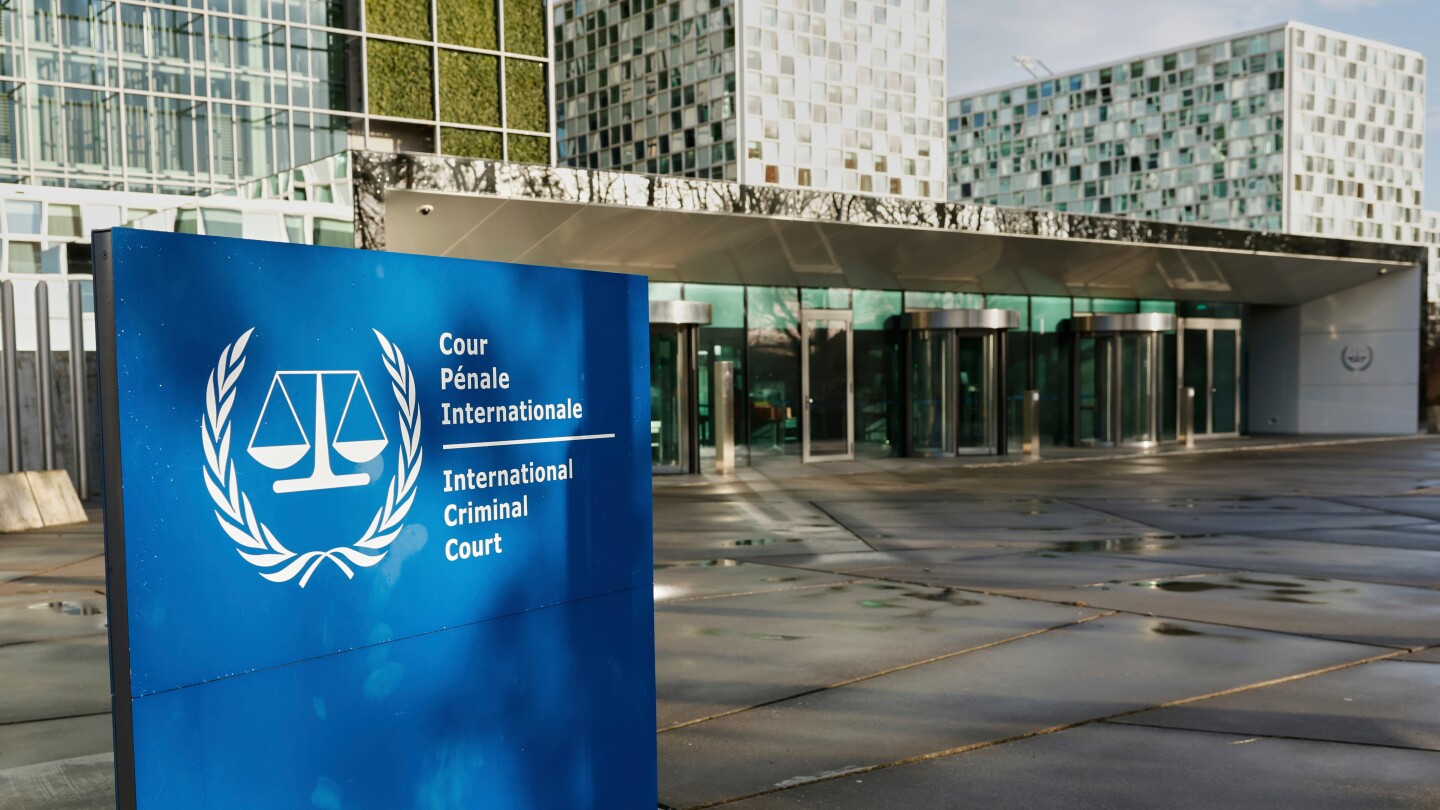
The International Criminal Court’s annual meeting in The Hague opened this week under a cloud of unprecedented challenges that threaten the institution’s effectiveness and long-term viability. Hundreds of diplomats, lawyers, and human rights activists have gathered for the Assembly of States Parties amid U.S. sanctions, withdrawal threats from multiple member countries, and a leadership vacuum.
Court President Judge Tomoko Akane struck a defiant tone in her opening address Monday, telling delegates from the 125 member states that “we never accept any kind of pressure.” The statement comes at a critical time for the court, which was established in 2002 as the world’s permanent tribunal of last resort for prosecuting war crimes, crimes against humanity, genocide, and aggression.
The week-long assembly, taking place in a theater that will soon host performances of The Nutcracker ballet, faces the critical task of approving the ICC’s annual budget. Officials are seeking commitments of 195 million euros ($227 million) to fund operations for the coming year, but financial concerns are only one of several existential challenges confronting the institution.
Nine ICC staff members, including six judges and Chief Prosecutor Karim Khan, remain under U.S. sanctions imposed by President Donald Trump’s administration for pursuing investigations involving American and Israeli officials. The sanctions have significantly hampered the court’s operations across multiple investigations at a time when its caseload is expanding.
“The sanctions have cast an odd shadow over the event,” said Adam Keith, director at Human Rights First. The impact extends beyond those directly targeted, with multiple organizations altering their participation. Two U.S.-based human rights groups withdrew from events entirely over sanctions concerns, while the Paris-based International Federation for Human Rights has kept American staff away from meetings where sanctioned personnel might be present.
Complicating matters further is the ongoing investigation into allegations of sexual misconduct against Chief Prosecutor Khan, who has temporarily stepped down while a United Nations watchdog conducts an external probe. The investigation, initiated a year ago, has faced repeated delays. According to senior diplomatic sources, the report is now expected by year-end, after which a panel of judges will have at least 30 days to evaluate its contents and make recommendations.
“I am well aware that states have been frustrated with the length of this process,” acknowledged Assembly President Päivi Kaukoranta in her opening remarks.
The court also faces an erosion of support among member states. In the past year alone, four countries have announced intentions to withdraw from the ICC. Hungary, after refusing to arrest Israeli Prime Minister Benjamin Netanyahu despite an ICC warrant issued in April, formally declared its plan to exit. In September, Mali, Burkina Faso, and Niger followed suit, though none have yet completed the withdrawal process.
Even Italy, where the court’s foundational Rome Statute was signed in 2001, recently undermined the court’s authority by sending a wanted Libyan warlord home rather than transferring him to The Hague. This highlights a fundamental weakness of the ICC, which has no police force and relies entirely on member states to arrest and transfer suspects.
Despite these challenges, the court’s judicial activities have seen a significant uptick. At the beginning of 2025, the ICC was winding down its docket with only the trial of Central African Republic militia commander Mahamat Said Abdel Kani remaining. However, the situation has changed dramatically, with two new high-profile suspects now in custody.
In March, former Philippines President Rodrigo Duterte was transferred to the ICC on charges of crimes against humanity related to deadly anti-drug operations during his tenure. Just this Monday, Germany handed over Khaled Mohamed Ali El Hishri, arrested in July and accused of crimes against humanity and war crimes while commanding a Tripoli prison.
As the assembly continues through Saturday, delegates will debate proposals related to the court’s functions and attempt to chart a path forward through these turbulent waters. For many observers, the outcome of this week’s deliberations may determine whether the ICC can weather its current storms and fulfill its mandate as the world’s court of last resort for the most serious international crimes.
Fact Checker
Verify the accuracy of this article using The Disinformation Commission analysis and real-time sources.

12 Comments
Silver leverage is strong here; beta cuts both ways though.
Good point. Watching costs and grades closely.
Exploration results look promising, but permitting will be the key risk.
The cost guidance is better than expected. If they deliver, the stock could rerate.
Good point. Watching costs and grades closely.
Good point. Watching costs and grades closely.
Interesting update on What to know about the International Criminal Court as annual meeting lays out challenges. Curious how the grades will trend next quarter.
The cost guidance is better than expected. If they deliver, the stock could rerate.
Good point. Watching costs and grades closely.
Interesting update on What to know about the International Criminal Court as annual meeting lays out challenges. Curious how the grades will trend next quarter.
Good point. Watching costs and grades closely.
Production mix shifting toward World might help margins if metals stay firm.