


Listen to the article
Vibrant Hues and Ancient Traditions: Celebrating Holi, the Hindu Festival of Colors
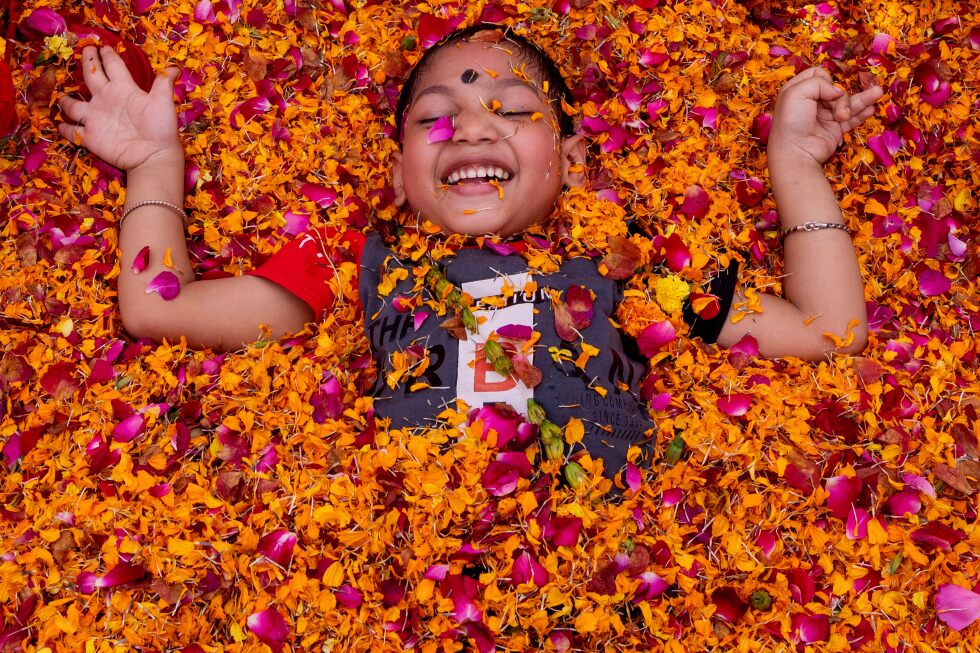
As winter retreats and spring emerges, millions across South Asia and around the world prepare to celebrate Holi, the exuberant Hindu festival of colors. This year, the festivities will take place on March 4, marking a time of renewal, joy, and community celebration.
Known for its spectacular displays of colored powders filling the air and covering participants from head to toe, Holi represents much more than just a colorful celebration. The festival carries deep cultural and religious significance, symbolizing the triumph of good over evil and the arrival of spring after winter’s darkness.
“Holi celebrates love and signifies a time of rebirth and rejuvenation—a time to embrace the positive and let go of negative energy,” explains cultural historian Dr. Rajiv Malhotra, who has documented the festival’s evolution across generations.
The celebration typically begins with Holika Dahan, a ritual where large bonfires are lit the night before the main festival. This practice stems from Hindu mythology, particularly the story of Prahlad, a devoted follower of Lord Vishnu, whose faith protected him when his evil father King Hiranyakashipu ordered him to be burned alive. According to legend, the king’s sister Holika, who possessed immunity from fire, took Prahlad into a bonfire. Miraculously, Prahlad survived while Holika perished—a powerful allegory of good’s triumph over malevolent forces.
In southern India, a different tradition called Kama Dahanam commemorates Lord Shiva burning Kamadeva, the god of love, symbolizing the destruction of earthly attachments in pursuit of spiritual enlightenment. Other interpretations connect Holi to Lord Krishna and his beloved Radha, celebrating their divine love and playful interactions.
The festival’s date varies annually as it follows the Hindu lunar calendar, falling on the last full moon day of Falgun month—typically in March. This year, some temples in North America will observe Holika Dahan on March 2 or 3, coinciding with a rare total lunar eclipse, adding astronomical significance to the spiritual celebration.
When the main day of Holi arrives, entire communities transform into vibrant canvases. Streets fill with people joyfully throwing gulal (colored powder) and drenching each other with colored water from balloons and spray guns. Shouts of “Holi hai!” (“It’s Holi!”) echo through neighborhoods as social hierarchies temporarily dissolve, allowing people from all walks of life to celebrate together.
Each color used during Holi carries distinct symbolism. Blue represents Lord Krishna’s skin, green signifies spring and rebirth, red symbolizes marriage or fertility, while both red and yellow—colors frequently used in Hindu rituals—represent auspiciousness.
The festival is equally a culinary celebration. Gujia—a flaky, deep-fried sweet pastry filled with milk curd, nuts, and dried fruits—reigns as the most popular Holi delicacy. Many celebrations also feature thandai, a refreshing cold drink prepared with almonds, fennel seeds, rose petals, poppy seeds, saffron, milk, and sugar.
Across the global diaspora, Holi has evolved while maintaining its cultural essence. In North America and other countries with significant Hindu populations, the festival is observed through temple ceremonies, community gatherings, cultural programs, and increasingly popular color runs and public celebrations.
“What makes Holi special in the diaspora is how it connects younger generations to their heritage while welcoming participants from all backgrounds,” notes Sanjay Puri, director of the Indian American Cultural Association. “It’s become a celebration that transcends religious boundaries while honoring its Hindu roots.”
From its ancient origins to contemporary celebrations, Holi continues to unite people in a joyful explosion of color, reminding participants to embrace life’s vibrancy, release negativity, and welcome new beginnings—a universal message that resonates far beyond the communities where it originated.
Fact Checker
Verify the accuracy of this article using The Disinformation Commission analysis and real-time sources.

5 Comments
The visually stunning displays of colored powders and the lighting of bonfires at Holika Dahan sound like quite the spectacle. I can understand why Holi is such an important and joyful occasion for Hindu communities.
Agreed, the festival’s symbolic meaning and rich history make it so much more than just a colorful celebration. It’s wonderful to see these ancient traditions continue to be observed and celebrated.
Fascinating to learn more about the cultural significance and ancient traditions behind the vibrant Holi festival. Seems like a wonderful celebration of springtime renewal and the triumph of good over evil.
I’m curious to learn more about how Holi is celebrated differently across various regions of South Asia. Are there any notable local variations in customs or rituals that are unique to certain areas?
As someone unfamiliar with Hindu culture, I appreciate the insights provided about the spiritual significance behind Holi. The themes of renewal, community, and the triumph of good over evil resonate strongly.