


Listen to the article
As the days grow shorter in December, millions of Jewish families around the world prepare to bring light into the darkness with the celebration of Hanukkah, Judaism’s beloved “festival of lights.” This year, the eight-day celebration begins at sundown on Sunday, December 14, and continues through December 22.
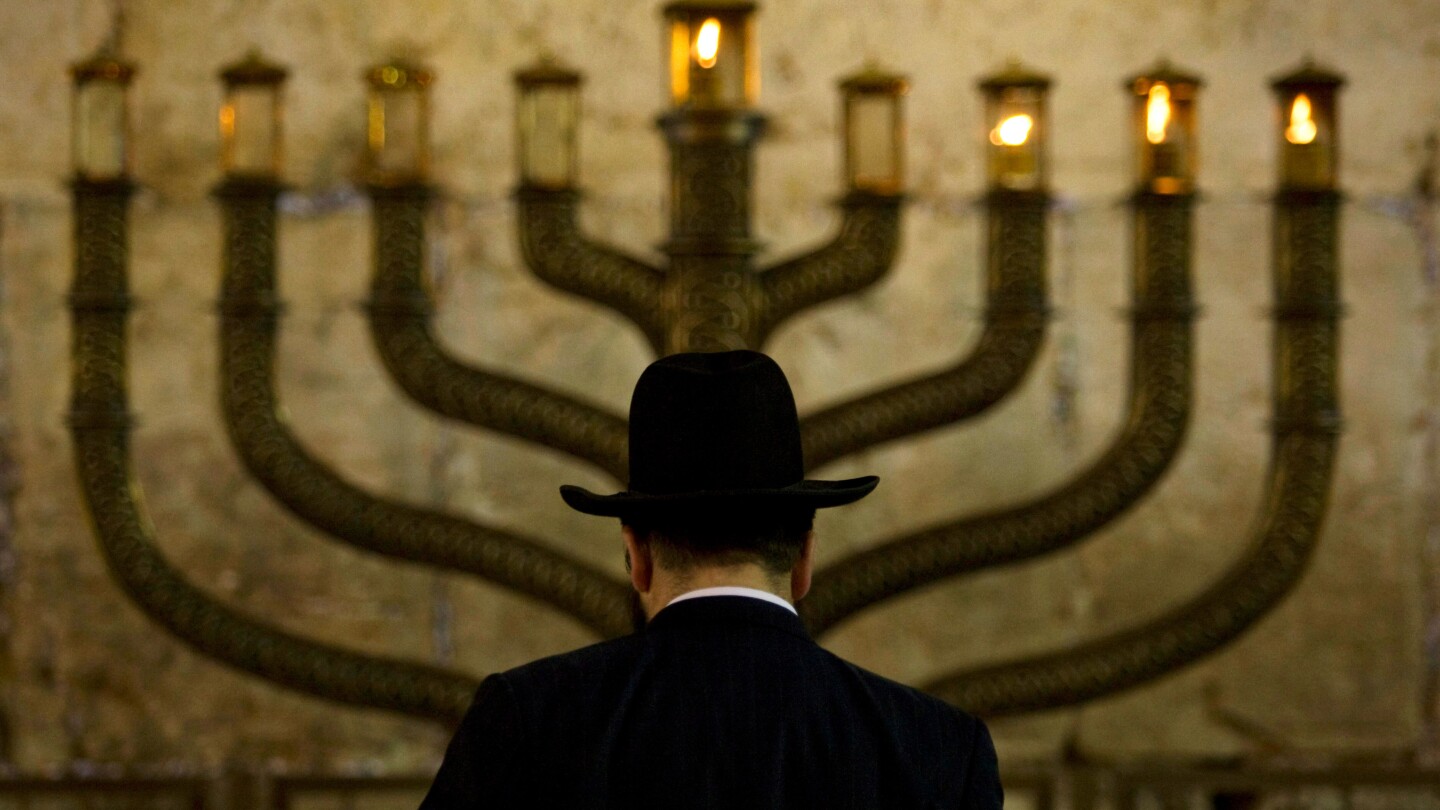
Each evening during Hanukkah, families gather to light an additional candle on the menorah—a nine-branched candelabra—commemorating a miracle said to have occurred nearly 2,200 years ago. The ritual brings both spiritual significance and a sense of cultural continuity to Jewish communities worldwide.
In Hebrew, Hanukkah means “dedication,” referring to the rededication of the Temple in Jerusalem after a small band of Jewish fighters, known as the Maccabees, successfully liberated it from occupying foreign forces. According to the Talmud, when the victors sought to relight the Temple’s menorah, they found only enough ritually pure oil for one day, yet it miraculously burned for eight days—the time needed to prepare a fresh supply.
This historical event forms the basis for the holiday’s traditions, which include the nightly lighting of candles and the preparation of foods fried in oil, such as potato pancakes called latkes and jelly-filled doughnuts known as sufganiyot.
While the date of Hanukkah may seem to shift in the Gregorian calendar commonly used today, it actually begins consistently on the 25th day of Kislev in the Jewish calendar. Because the Jewish calendar follows lunar cycles rather than solar ones, the holiday falls at different times in the November-December period each year.
The ritual of lighting the menorah follows specific traditions. The candles are arranged from right to left, but lit from left to right, always beginning with the newest candle each night. A special ninth candle, called the shamash or “helper,” is used to light all the others. While traditional menorahs use real flames, electric versions are sometimes employed in public settings like hospitals for safety reasons.
“The symbolism of increasing light during the darkest time of year resonates deeply, especially in our current times,” explains Rabbi Sarah Levinson of Congregation Beth Shalom in Seattle. “It reminds us that even small actions can drive away darkness.”
Many families place their menorahs near windows or doorways, allowing the light to be visible from outside the home. This practice symbolizes the sharing of divine light with all nations and serves as a public declaration of faith and identity.
In recent decades, public menorah lightings have become more common, with ceremonies taking place in city squares, parks, and in front of landmarks worldwide. These events often draw participants from across the spectrum of Jewish observance—Reform, Conservative, and Orthodox—as well as curious onlookers interested in learning about the tradition.
Though historically a minor holiday in the Jewish calendar, Hanukkah has gained cultural prominence in countries where Christmas dominates the December landscape. The holiday offers Jewish families an opportunity to celebrate their heritage during a season when many other religious observances occur.
Beyond the lighting of candles, many Jewish communities incorporate charitable giving and social action into their Hanukkah observances. This practice aligns with the Jewish concept of tikkun olam—repairing the world—and reflects the belief that the Jewish people have a responsibility to improve conditions for all of humanity.
“Hanukkah teaches us that even when we feel small or powerless, we can still make a meaningful difference,” notes historian David Greenberg of Rutgers University. “The Maccabees were vastly outnumbered, but their dedication changed the course of history.”
As families gather to light their menorahs this year, they participate in a tradition that has endured for millennia, connecting generations through ritual, story, and the universal symbolism of bringing light into darkness.
Fact Checker
Verify the accuracy of this article using The Disinformation Commission analysis and real-time sources.

12 Comments
It’s great to see how Hanukkah brings light and community to Jewish families around the world, even in the darkest days of winter. The cultural continuity is really meaningful.
I hope everyone gets to experience the warmth and togetherness of Hanukkah celebrations, whether lighting candles or indulging in delicious holiday treats.
The Maccabees’ struggle for religious freedom and the miracle of the oil are powerful symbols that continue to resonate today. Hanukkah is a heartwarming celebration of Jewish identity.
I’m curious to learn more about the specific foods and customs that are part of Hanukkah traditions. It’s fascinating to see how they’ve evolved over the centuries.
The story of the Maccabees’ victory over oppression and the miracle of the oil is such an inspiring one. Hanukkah is a wonderful way for Jewish people to honor their history and culture.
I’m glad to see Hanukkah getting more attention and recognition, even in a world that is often dominated by Christmas. It’s important to celebrate the diversity of religious traditions.
Hanukkah is a wonderful celebration of Jewish resilience and faith. The story of the Maccabees’ victory and the miraculous oil burning for 8 days is truly inspiring.
The traditions of lighting the menorah and enjoying fried foods like latkes are such joyful ways to mark this special time.
Hanukkah’s themes of reclaiming sacred spaces and reigniting the light of faith are deeply resonant. It’s a timely celebration of the resilience of the human spirit.
I’m curious to hear more about how Hanukkah is observed in different Jewish communities around the world. The diversity of traditions must be fascinating to explore.
While Hanukkah may not be as widely celebrated as Christmas, it’s wonderful to see the traditions being kept alive and passed down through the generations. The message of hope and perseverance is so meaningful.
I appreciate learning about the historical and spiritual significance of Hanukkah. It’s a great reminder of the importance of religious and cultural diversity in our world.