


Listen to the article
Bangladesh’s Ex-Prime Minister Death Sentence Raises Stakes for Upcoming Elections
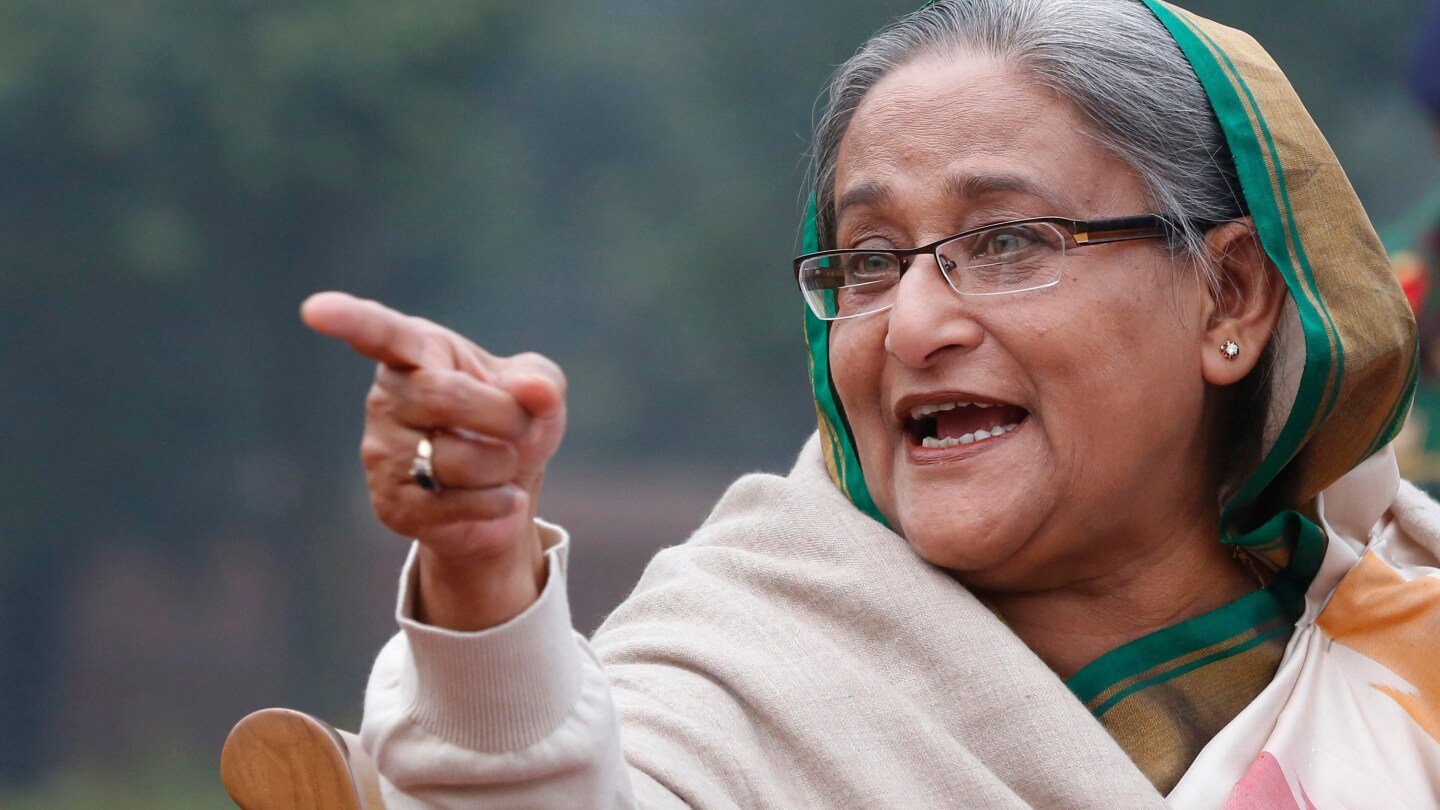
This week’s death sentence for Bangladesh’s former Prime Minister Sheikh Hasina on crimes against humanity charges marks a pivotal moment for a nation still reeling from the violent uprising that ended her 15-year rule last August. The verdict, delivered in absentia while Hasina remains in exile in India, has been dismissed by the former leader as “biased and politically motivated.”
The sentencing comes as Bangladesh’s interim government, led by Nobel Peace Prize Laureate Muhammad Yunus, prepares for crucial elections in February. These will be the first in nearly two decades expected to be genuinely free and fair, following years of governance dominated by either Hasina or her longtime rival.
For many of Hasina’s opponents, the verdict represents an opportunity to move beyond the trauma of last year’s uprising, which left hundreds dead and thousands injured. However, political analysts note the situation remains precarious, with deep societal divisions and the risk of continued unrest.
“The interim government has fully suppressed the Awami League… So the level of polarization is at a fever pitch,” says Michael Kugelman, senior fellow with the Asia Pacific Foundation of Canada. He identifies election-related violence as the most significant concern ahead.
The Awami League, despite being sidelined from the political process, still maintains significant support. Hasina’s son has warned that the party might attempt to disrupt the upcoming election if the ban on its political activities isn’t lifted, arguing that only an inclusive electoral process can stabilize the country.
Bangladesh’s police forces, which were on the frontlines during last year’s deadly crackdown and suffered casualties when protesters attacked police stations, now face serious morale issues. This raises questions about the state’s capacity to manage potential violence during the election period.
Despite Bangladesh’s renewed calls for extradition following the verdict, India is unlikely to surrender Hasina. Kugelman suggests she will “likely bide her time, continue to manage her party’s affairs from India and play a long game with the hope of a return to politics if circumstances change in the coming years.” He notes the resilience of dynastic political forces in the region, adding, “dynastic leaders and their parties may take hits, but they never go away.”
Sabir Mustafa, former head of BBC’s Bengali Service, describes the trial as “seriously flawed” and the death sentence as unjust for a case held in absentia. Nevertheless, he believes the Awami League faces an existential challenge without Hasina’s leadership and requires significant reform to remain politically viable.
“Hasina needs to start the party’s reforms herself,” Mustafa said, suggesting this is essential if she wants any political future. Without such reforms and new leadership under Hasina’s guidance, the Awami League would struggle to make a political comeback.
Human rights organizations have expressed concerns about the fairness of the trial process. Both Human Rights Watch and Amnesty International have raised questions about procedural justice, while the UN High Commissioner for Human Rights called the verdict “an important moment” for victims of last year’s crackdown, though it maintains opposition to the death penalty in all circumstances.
The Yunus administration now faces pressure to convince the international community about the trial’s credibility while ensuring a peaceful environment for February’s election. These polls represent the first opportunity in nearly two decades for a genuinely democratic process in Bangladesh. The January 2024 election that gave Hasina her fourth consecutive term was boycotted by opposition parties and marred by violence and international criticism.
Mustafa argues that Yunus has already compromised his legacy as a Nobel Peace Prize laureate by overseeing various human rights violations, including mob justice, custodial deaths, and arbitrary arrests, particularly targeting Hasina supporters. However, he believes the international community will continue supporting the interim government.
“The challenge before him between now and February is to ensure that things run smoothly and the elections do happen in February in a peaceful and credible manner,” Mustafa said, adding that Yunus must also prevent electoral manipulation by other political forces like the Bangladesh Nationalist Party or the Islamist Jamaat-e-Islami.
Only by ensuring a fair electoral process can Yunus “revive his legacy as a Nobel Peace Prize laureate” while guiding Bangladesh through this critical transition period.
Fact Checker
Verify the accuracy of this article using The Disinformation Commission analysis and real-time sources.

7 Comments
It’s a complex and volatile situation. The death sentence against a former leader like Hasina could undermine confidence in the rule of law if not handled very carefully. Ensuring a peaceful, inclusive electoral process will be the top priority.
This verdict raises serious concerns about the impartiality of Bangladesh’s judicial process. While Hasina’s record is controversial, a death sentence handed down in absentia seems like a concerning precedent that could further inflame political tensions.
This verdict puts a spotlight on the challenges of transitioning to democracy after years of authoritarian rule. Bangladesh will need to balance justice and reconciliation as it charts a new course. I hope the upcoming elections can be a positive step forward.
This verdict is highly contentious and could have significant ramifications. I’m curious to see how the interim government navigates the polarized political landscape in the lead-up to the elections. Maintaining stability and democratic legitimacy will be critical.
The upcoming elections are crucial for Bangladesh’s democratic future. I hope the interim government can oversee a truly free and fair vote, despite the polarized political climate. Avoiding further unrest will be essential.
It’s a complex situation with no easy answers. The death sentence against Hasina is a bold move that could backfire if not handled carefully. The upcoming elections will be a crucial test for Bangladesh’s fragile democracy.
This is a critical juncture for Bangladesh. The death sentence against Hasina is a divisive move that risks further inflaming political tensions. The upcoming elections will be a major test – I hope all sides can work towards a peaceful, democratic outcome.