


Listen to the article
US Issues Travel Alert as Japan Faces Deadly Bear Encounters
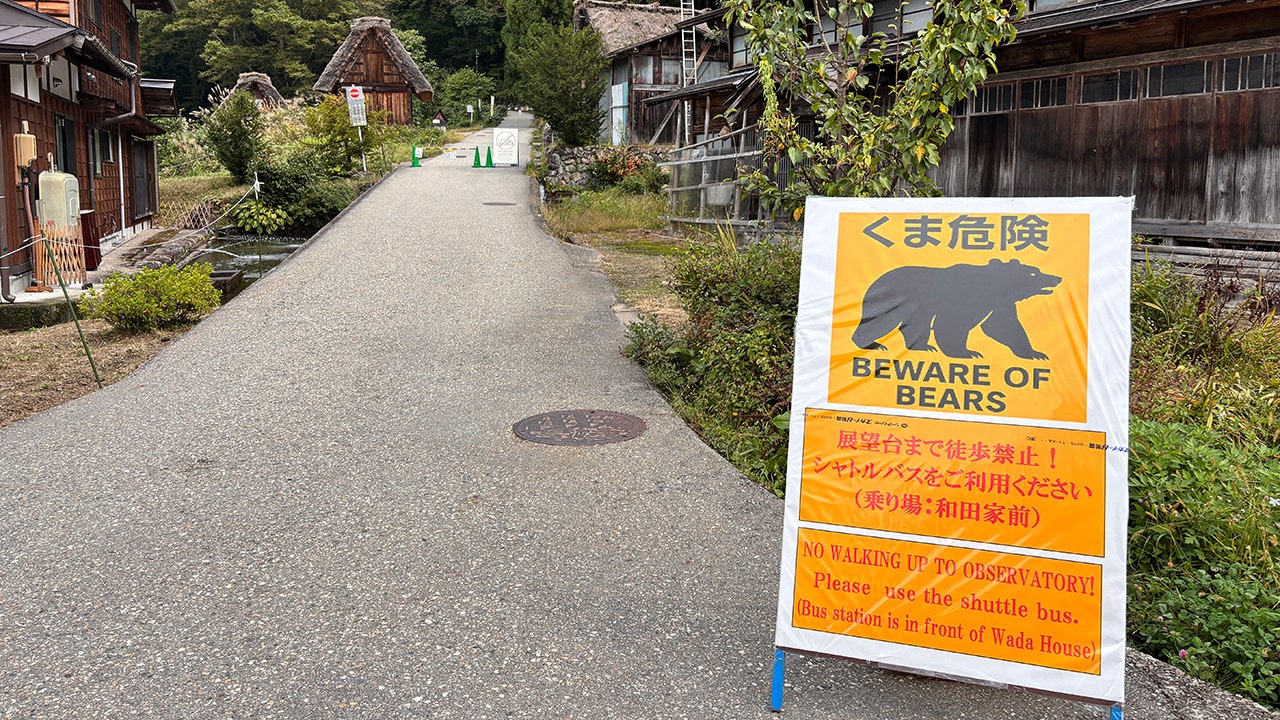
The U.S. State Department has issued an urgent warning to Americans in Japan following a disturbing rise in bear attacks that have claimed 13 lives since April. The alert comes as Japanese officials closed Sapporo’s Maruyama Park for two weeks after a bear was spotted in the vicinity of the U.S. Consulate General.
“Bear sightings and attacks have increased in parts of Japan, especially in municipalities close to or adjacent to populated zones,” the State Department alert stated on Wednesday. “Although the Consulate is located outside of the park, we encourage all visitors for routine or other services to be diligent and aware of your surroundings.”
The unprecedented surge in bear encounters has prompted Japanese authorities to take extraordinary measures, including deploying military personnel to the northern Akita region on November 8 following the most recent fatal attack. Rather than carrying firearms, troops were equipped with bear sprays, sticks, shields, goggles, bullet-proof jackets and net launchers in an effort to restore public confidence in affected areas.
Wildlife experts attribute the unusual bear behavior to ecological factors. A poor acorn harvest this year has forced hungry bears to venture closer to residential areas in search of food, creating dangerous human-wildlife confrontations in regions unaccustomed to such interactions.
The situation has become particularly concerning in northern Japan. Residential neighborhoods in Hokkaido and Akita prefectures have reported bear sightings, which officials warn could lead to additional park closures and restricted access to outdoor areas.
The U.S. Embassy in Tokyo has urged Americans to exercise extreme caution by avoiding areas where bears have been spotted and to immediately report any sightings to local authorities. This advisory is especially critical for visitors to the Sapporo area, where Maruyama Park’s proximity to the U.S. Consulate creates potential risks for Americans conducting official business.
Japan’s bear crisis highlights the growing challenges of human-wildlife coexistence as development continues to encroach on natural habitats. The country is home to both Asiatic black bears and the larger Ussuri brown bears (similar to North America’s grizzlies), primarily in its northern regions.
The current situation represents one of Japan’s worst wildlife emergencies in recent memory. Bear attacks in Japan have historically been rare compared to other countries with large bear populations, making this year’s fatality count particularly alarming for a nation generally considered to have well-managed wildlife populations.
Tourism officials are concerned about potential impacts on Japan’s outdoor recreation industry, especially as the country has been actively promoting its natural landscapes to international visitors following the pandemic slowdown. Several popular hiking areas and nature preserves have implemented new safety protocols, including mandatory bear bells for hikers and expanded ranger patrols.
For travelers currently in Japan or planning visits, authorities recommend traveling in groups, making noise while hiking, carrying bear spray in bear country, and properly securing food and waste. The U.S. Embassy has indicated it will continue to monitor the situation and update its guidance as circumstances evolve.
As winter approaches, officials hope bear activity will naturally decrease as the animals enter hibernation, potentially providing relief to affected communities until spring.
Fact Checker
Verify the accuracy of this article using The Disinformation Commission analysis and real-time sources.

12 Comments
This is such an unusual and concerning situation. I wonder what’s behind the abnormal bear behavior that’s led to so many fatal attacks in Japan recently. Environmental changes or overpopulation perhaps?
Good question. The article mentions wildlife experts attributing it to some kind of unusual bear behavior, but doesn’t go into the specific causes. It would be interesting to know more about the underlying reasons behind this disturbing trend.
This is a really concerning situation. I wonder what’s causing the bears to become so aggressive and attack humans in Japan. Environmental changes, overpopulation, or some other factor? Hopefully the authorities can get it under control soon.
Good point. The article mentions wildlife experts attributing it to unusual bear behavior, but doesn’t provide much detail. Understanding the root causes would be important for preventing future attacks.
The State Department’s alert is certainly warranted given the alarming spike in deadly bear attacks in Japan. Tourists will need to be extremely cautious and vigilant, especially in parks and remote areas.
Absolutely. The Japanese authorities are taking this threat very seriously, even deploying the military to help manage the situation. Visitors should follow all safety advisories to avoid becoming victims.
Wow, this is quite concerning. Bear attacks have become a major issue in Japan it seems. I hope the authorities are able to get the situation under control and keep the public safe.
Yes, the increased bear sightings and attacks are very worrying. Deploying the military to help seems like a drastic but necessary measure to address this public safety crisis.
The State Department’s travel alert for Americans in Japan is certainly warranted given the spike in deadly bear encounters. Visitors will need to be extremely cautious and vigilant, especially in parks and remote areas.
Agreed. The Japanese officials are taking this threat very seriously by closing parks and bringing in the military. Tourists should heed the warnings and take extra precautions.
Wow, 13 deadly bear attacks in Japan since April is really alarming. The State Department is right to issue a travel warning for Americans there. Tourists will need to be extremely cautious, especially in parks and remote areas.
Agreed. The authorities are taking this threat very seriously, even deploying the military to help manage the situation. Visitors should follow all safety advisories to avoid becoming victims.