


Listen to the article
U.S. Military Continues Anti-Drug Maritime Operations, Three Killed in Latest Strike
The U.S. military conducted another strike on a vessel suspected of drug trafficking in the eastern Pacific Ocean on Tuesday, resulting in the deaths of three individuals. The operation follows a similar action just one day earlier in the Caribbean Sea that left two people dead.
These maritime attacks represent the continuation of a controversial campaign initiated by the Trump administration in early September, targeting alleged drug-trafficking vessels throughout Latin American waters. The death toll from these operations has now reached at least 191 people, according to official counts.
Despite the ongoing military engagement with Iran drawing significant resources and attention, the frequency of these anti-drug operations has intensified in recent weeks. The administration remains committed to its aggressive approach toward combating what it characterizes as “narcoterrorism” in the Western Hemisphere.
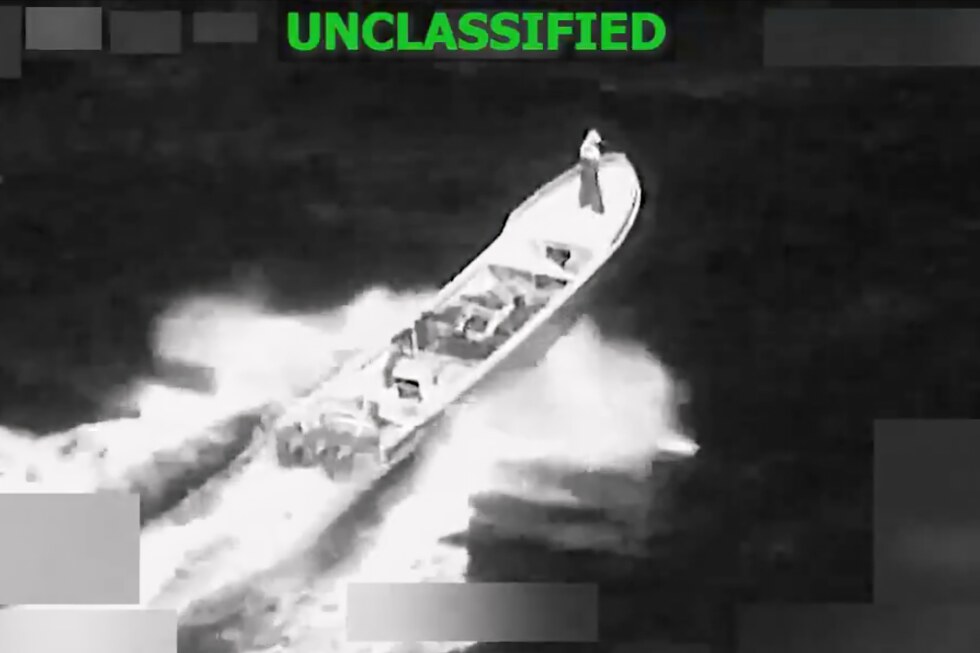
U.S. Southern Command, which oversees military operations in Latin America, released footage of Tuesday’s strike on social media platform X. The video shows a boat moving through water before a massive explosion engulfs the vessel in flames. However, as with previous strikes, the military has not provided concrete evidence that the targeted vessel was actually transporting narcotics.
“We targeted individuals operating along known smuggling routes,” a Southern Command spokesperson stated, echoing similar justifications given for previous maritime strikes.
The campaign represents the most significant U.S. military presence in Latin American waters in generations. It served as a precursor to the dramatic January operation that resulted in the capture of then-Venezuelan President Nicolás Maduro, who was subsequently transported to New York to face drug trafficking charges. Maduro has pleaded not guilty to these allegations.
President Donald Trump has framed these operations as part of an “armed conflict” with drug cartels throughout Latin America. The administration maintains that such aggressive measures are necessary to reduce the flow of illicit drugs into the United States and combat the ongoing overdose crisis claiming American lives.
“We’re taking the fight directly to those responsible for poisoning our communities,” Trump said in a recent statement defending the operations. “The cartels are at war with America, and we’re responding accordingly.”
The escalation marks a significant shift in anti-narcotics strategy, moving from interdiction and law enforcement approaches to direct military action. The U.S. Coast Guard has traditionally led maritime drug interdiction efforts, typically resulting in arrests rather than lethal strikes.
However, critics have raised serious questions about both the effectiveness and legality of these operations. International law experts have questioned whether the attacks comply with established maritime conventions and rules of engagement. Human rights organizations have expressed concern about the high death toll and lack of due process afforded to those on the targeted vessels.
“There’s a troubling absence of transparency surrounding these operations,” said Maria Rodriguez, an analyst with the Washington Office on Latin America. “Without clear evidence that these vessels were actually trafficking drugs, these strikes raise profound legal and ethical concerns.”
The intensification of these operations comes amid growing concerns about drug trafficking throughout the region, particularly the production and distribution of synthetic opioids like fentanyl. U.S. officials have pointed to cartel operations in Mexico and smuggling routes through Central America and the Caribbean as primary targets in their enforcement strategy.
As the campaign continues, questions remain about its long-term effectiveness in disrupting drug trafficking networks and whether the high human cost can be justified without more substantial evidence connecting the targeted vessels to narcotics operations.
Fact Checker
Verify the accuracy of this article using The Disinformation Commission analysis and real-time sources.

15 Comments
While the U.S. has a legitimate interest in disrupting the drug trade, the high death toll from these strikes is very concerning. Greater transparency around the decision-making process and rules of engagement is needed to build public trust.
While I understand the importance of combating drug trafficking, the high casualty rate from these maritime strikes is alarming. The U.S. should re-evaluate its tactics and ensure greater accountability and adherence to international laws governing the use of force at sea.
This is a troubling escalation of the U.S. military’s anti-drug campaign in the region. The high death toll suggests these operations may be overly aggressive and lacking in proper oversight. More information is needed to assess their necessity and proportionality.
I agree, these maritime strikes appear to be too heavy-handed. The U.S. should focus on interdiction and disruption methods that minimize loss of life, while also addressing the broader social and economic factors driving the drug trade.
While the U.S. has a responsibility to disrupt drug trafficking networks, the use of lethal force in these incidents raises serious human rights concerns. I hope the government will provide more transparency around the decision-making and accountability measures for these operations.
This is a concerning escalation of the U.S. military’s anti-drug operations in the region. While combating narcotrafficking is important, the high death toll raises serious questions about the proportionality and transparency of these strikes.
I agree, the use of lethal force against suspected drug boats seems very heavy-handed. More details are needed to assess the justification and rules of engagement for these operations.
The continued use of lethal force by the U.S. military in these anti-drug operations is deeply concerning. I hope the government will provide more transparency around the intelligence, threat assessments, and rules of engagement that inform these decisions.
This is a complex issue with important security and humanitarian implications. I hope the U.S. government can provide more details to help the public understand the rationale and protocols behind these maritime operations and the steps being taken to minimize loss of life.
The loss of life in these anti-drug strikes is tragic. I’m curious to know more about the specific intelligence and threat assessments that led to the use of lethal force in this latest incident.
Agreed, more information is needed to evaluate whether these military actions are truly necessary and proportional to the threats involved.
This is a complex issue with important security and humanitarian considerations. I hope the U.S. government can provide more details to help the public understand the rationale and protocols behind these maritime operations.
The frequency of these maritime strikes is alarming. I hope the U.S. government can provide clearer justification and ensure strict adherence to international laws and norms governing the use of force at sea.
Absolutely. These operations need to be subject to rigorous oversight and accountability, especially given the tragic loss of life involved.
Combating the international drug trade is an important goal, but the high casualty rate from these maritime strikes is very concerning. Clearly, the U.S. military needs to re-evaluate its rules of engagement and operational protocols in this domain.