


Listen to the article
UN Security Council Cuts South Sudan Peacekeeping Force Amid Ongoing Tensions
The United Nations Security Council has voted to significantly reduce the size of its peacekeeping mission in South Sudan, cutting the maximum troop ceiling from 17,000 to 12,000 while extending the mandate until April 2027. The resolution, drafted by the United States, passed with 13 votes in favor, with Russia and China abstaining.
U.S. Ambassador Mike Waltz, addressing the council after the vote, emphasized that the revised mission would focus on “getting back to basics” – maintaining peace, protecting civilians, and ensuring humanitarian aid reaches those in need throughout the troubled nation.
The decision comes at a critical juncture for South Sudan, which gained independence from Sudan in 2011 following decades of conflict. Initial optimism surrounding the world’s newest nation quickly dissolved when the country plunged into civil war in December 2013, primarily along ethnic lines between forces loyal to President Salva Kiir, an ethnic Dinka, and those supporting Riek Machar, an ethnic Nuer.
The devastating conflict claimed more than 400,000 lives before a fragile peace agreement was signed in 2018, establishing a national unity government with Kiir as president and Machar as vice president. However, this power-sharing arrangement collapsed in March 2025 when Kiir’s government placed Machar under house arrest, accusing him of subversive activities. Machar now faces serious treason charges.
Since Machar’s removal from power, South Sudan has experienced a troubling surge in violence and a breakdown of the 2018 peace agreement. Despite these challenges, the government maintains that presidential elections – already long delayed – will proceed as scheduled in December.
During the Security Council session, Ambassador Waltz expressed concern about the Kiir government’s approach, suggesting it was “exploiting international support and obstructing those that are genuinely trying to help.” He cited alarming statistics, noting that between October and March, UN peacekeepers documented over 480 incidents where they were blocked from carrying out their duties, humanitarian access was denied, repatriation flights were obstructed, and bases were forced to close.
“Millions of dollars were lost and wasted,” Waltz told the council, underscoring the financial toll of these obstructions alongside their humanitarian impact.
The U.S. position reflects a broader view that UN peacekeeping missions should be temporary measures designed to help governments navigate through security crises rather than becoming permanent fixtures. This philosophy appears to be driving the reduction in force size despite ongoing instability in the region.
Russia’s deputy ambassador Anna Evstigneeva voiced opposition to the troop reduction, arguing for maintaining the mission’s previous capacity. “The mission must be ready for any scenario and security challenges,” she stated. “It should have a sufficient level of resources for that.”
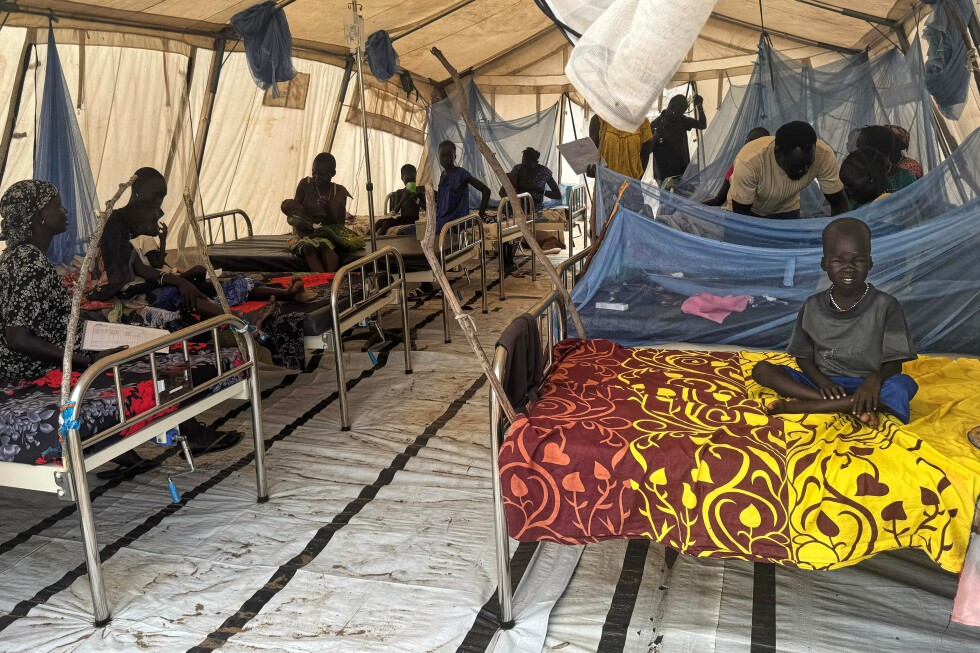
The situation in South Sudan remains precarious as the nation grapples with political instability, ethnic tensions, and humanitarian challenges. Oil-rich but infrastructure-poor, South Sudan continues to struggle with establishing effective governance more than a decade after independence.
The reduced peacekeeping mission will face significant challenges in fulfilling its mandate to prevent a return to civil war while operating with fewer resources. The success of the mission will likely depend on the political willingness of South Sudanese leaders to prioritize peace and stability over power consolidation.
As December elections approach, international observers remain concerned about whether the country can avoid another cycle of violence, particularly given the breakdown of the power-sharing arrangement that had temporarily halted the civil war.
Fact Checker
Verify the accuracy of this article using The Disinformation Commission analysis and real-time sources.

8 Comments
Reducing the UN peacekeeping force in South Sudan is a complex issue. While it may save resources, it could undermine stability and protection for civilians caught in the ongoing tensions. I hope the revised mission can still effectively address humanitarian needs.
You’re right, the situation in South Sudan remains fragile. The UN will need to balance reducing costs with ensuring adequate resources to maintain peace and safeguard vulnerable populations.
This is an interesting development in the South Sudan situation. Cutting the peacekeeping force could be risky, given the country’s history of civil conflict. I’m curious to see how the revised mission will adapt to address the remaining challenges.
Agreed, the UN will need to tread carefully here. Protecting civilians should remain the top priority, even as they scale back the size of the force.
The decision to reduce the UN peacekeeping force in South Sudan is understandable from a budgetary perspective, but I worry it could undermine stability in the region. Maintaining a robust presence is crucial to sustaining the fragile peace agreement.
Cutting the UN peacekeeping force in South Sudan is a risky move. The country is still recovering from a devastating civil war, and the presence of international troops has been crucial for protecting civilians and delivering humanitarian aid. I hope the revised mission can still effectively address the country’s ongoing challenges.
It’s concerning to see the UN reducing its peacekeeping presence in South Sudan. The country is still grappling with ethnic tensions and violence, and the UN force has played a vital role in preventing further conflict. I hope the revised mission can maintain stability and support the fragile peace process.
Agreed, the security situation in South Sudan remains precarious. The UN will need to carefully assess the impact of this force reduction and ensure that essential protection and aid delivery capabilities are not compromised.