


Listen to the article
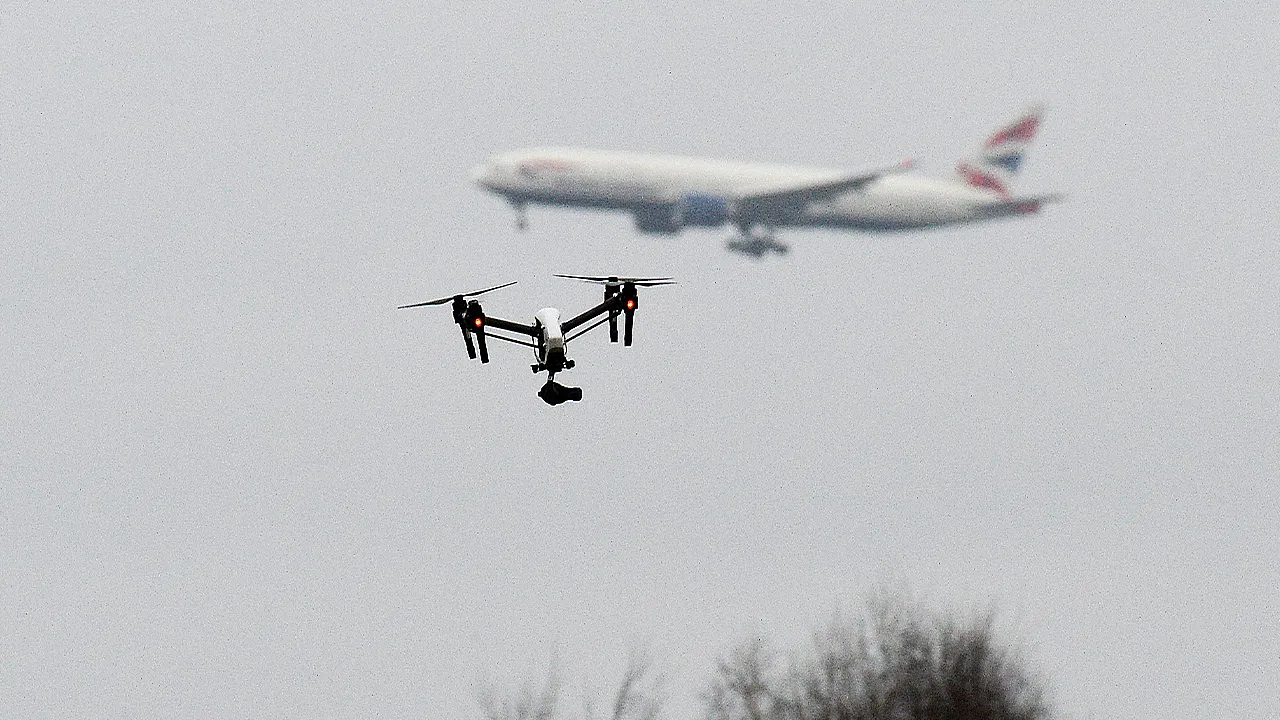
British councils across the UK have significantly expanded their drone programs, raising serious privacy concerns as the technology increasingly becomes part of local government operations, according to recent reports.
Data from the Civil Aviation Authority (CAA) reveals that over 60 local councils now employ CAA-certified drone operators, while at least a dozen more authorities are actively seeking guidance to establish similar programs. Experts caution that the actual number of publicly funded drone pilots could be considerably higher, as the CAA only records operators who are officially sponsored by their employers.
The rapid proliferation of drones in the hands of local authorities has drawn criticism from privacy advocates. Big Brother Watch, a UK civil liberties watchdog group, has voiced alarm about what it describes as “spies in the sky” tactics that further compromise privacy in a country already known for its extensive surveillance network.
Jake Hurfurt, head of research and investigations at Big Brother Watch, acknowledged that drones can serve legitimate purposes such as flood monitoring and land surveys, but warned against their potential misuse. “Britain is already one of the most surveilled countries on Earth. With CCTV cameras on street corners, we do not need flying cameras too,” Hurfurt stated. “Councils must make sure that they do not use this technology for intrusive monitoring of their citizens.”
His concerns extend to law enforcement applications as well. Hurfurt previously criticized the London Metropolitan Police’s deployment of drones as first responders, noting that the rollout is happening without clear policies governing when and how these aerial devices can be used. Without proper safeguards, he warned, drones risk becoming “flying CCTV cameras” that could potentially monitor lawful protest activity.
“The Metropolitan Police must be transparent about its thresholds for using drones and take care to balance the rights of Londoners with the purported benefits of drone use,” Hurfurt emphasized.
Despite these concerns, several local councils are moving forward with ambitious drone programs. Hammersmith and Fulham Council plans to integrate drones into its 70-member law enforcement team, which issued over 2,200 fines last year. The borough justifies the move as necessary to combat antisocial behavior and compensate for reduced police resources. These drones will reportedly work alongside existing CCTV systems equipped with live facial recognition technology.
Sunderland currently operates the UK’s largest known council drone fleet, with 13 aircraft and multiple trained pilots. Their drones are deployed for a range of activities, including crime detection and prevention, environmental regulation enforcement, and monitoring public gatherings.
Other local authorities, including North West Leicestershire, Stockton-on-Tees, Newcastle, North Norfolk, and Thurrock, are also utilizing drones for various functions, from planning enforcement to monitoring coastal disputes.
The trend reflects a broader shift toward aerial surveillance technology in public administration across the UK. While proponents argue that drones offer cost-effective solutions for resource-strapped local governments, critics maintain that their use must be carefully regulated to prevent privacy infringements.
The situation highlights the complex balance between technological advancement and civil liberties in modern governance. As drones become more commonplace in the hands of local authorities, the debate over appropriate limitations and transparency requirements is likely to intensify.
For a nation already under extensive surveillance through traditional CCTV networks, the addition of mobile aerial monitoring platforms represents what privacy advocates see as a concerning new frontier in public oversight – one that demands robust safeguards to protect individual rights in an increasingly monitored society.
Fact Checker
Verify the accuracy of this article using The Disinformation Commission analysis and real-time sources.

20 Comments
Interesting development, though the privacy concerns are understandable. Drones can serve useful purposes, but the government must ensure proper oversight and safeguards to protect citizens’ rights.
I agree, the rapid proliferation of drones does raise red flags. Transparency and public input will be crucial to strike the right balance between public safety and personal privacy.
This is an important issue that deserves close scrutiny. The government must balance the potential benefits of drone use with robust safeguards to protect citizens’ privacy and civil liberties.
While drones can assist with tasks like land surveys, the rapid proliferation across UK councils is worrying. Clear rules and strong public oversight will be critical.
Well put. The government should work transparently with citizens to develop robust policies that ensure drones are used appropriately and ethically.
Drones can provide useful capabilities, but their proliferation in the hands of local authorities is worrying. I hope the government will engage the public and prioritize civil liberties.
Agreed. Proactive measures to ensure responsible and accountable use of this technology will be critical as it becomes more widespread.
While drones may have legitimate uses, the scale of this deployment is concerning. I hope the government will prioritize transparency and public engagement as they develop policies for drone use.
This is a complex issue that merits close scrutiny. Drones can serve valuable functions, but their use by government agencies requires robust safeguards and public oversight.
Well said. Maintaining public trust will be crucial as these technologies become more prevalent in our communities.
The increasing use of drones by local authorities raises important questions about privacy and civil liberties. Careful consideration of these issues is essential as the technology evolves.
Agreed. Striking the right balance between public safety and personal privacy will require ongoing dialogue and input from citizens and experts.
Drones can certainly have valuable applications, but the scale of this deployment is concerning. I hope the authorities will carefully weigh the benefits against the privacy risks.
This is a significant expansion of government surveillance capabilities. I hope the public will be given a meaningful voice in shaping the guidelines for drone use in their communities.
The growth of drone programs at the local level is a significant development that merits close scrutiny. Rigorous guidelines and oversight will be essential to protect civil liberties.
Agreed. Proactive engagement with communities and privacy advocates could help ensure these technologies are used for legitimate public purposes.
The expansion of drone programs by UK councils raises significant privacy concerns. Transparent policies, strong oversight, and meaningful public input will be essential moving forward.
I’m curious to learn more about the specific use cases and data protocols for these drones. Transparent and responsible deployment will be key to maintaining public trust.
This sounds like a concerning expansion of government surveillance capabilities. I hope the authorities will carefully consider the implications and consult with the public before deploying these drones widely.
Well said. Drones can be a powerful tool, but their use by local governments requires robust policies and accountability measures to prevent abuse.