


Listen to the article
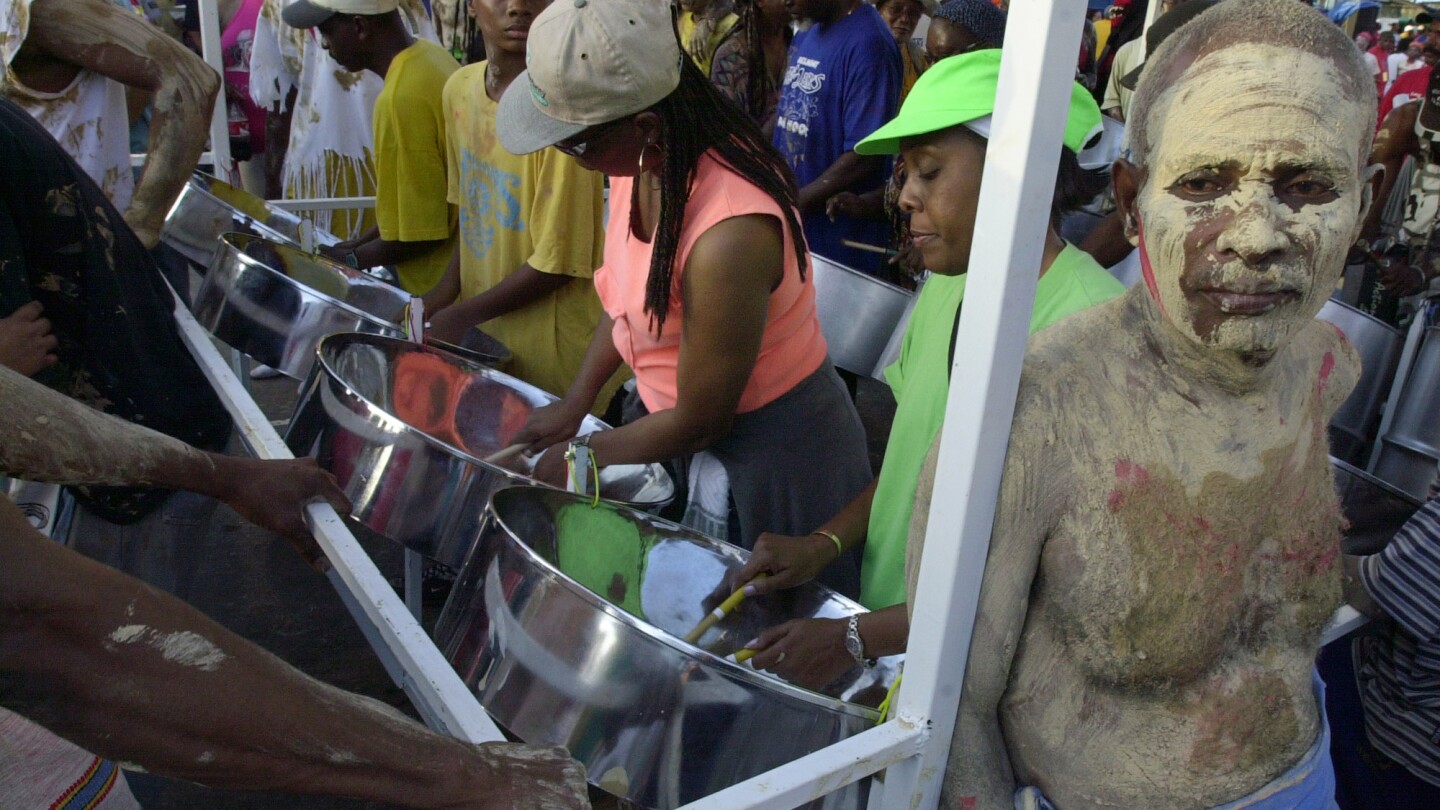
The steelpan, Trinidad and Tobago’s national percussion instrument created in 1939, is experiencing a cultural renaissance as younger generations rediscover its distinctive melodious sound. Once primarily enjoyed by older audiences, the instrument is now finding new life among youth, both on stage and on dance floors across the Caribbean nation.
“Pan is sexy again,” says Amrit Samaroo, son of legendary steelpan arranger Jit Samaroo. As the leader of Trinidad and Tobago’s Supernovas Steel Orchestra, Samaroo has witnessed firsthand the demographic shift in the instrument’s audience and performers.
Social media has played a crucial role in the steelpan revival, with musicians sharing videos performing everything from contemporary pop hits to reggae classics on the instrument. “It’s good to have that type of recognizable material played on the instrument,” Samaroo notes. “It’s a nice space we are in right now.”
What makes the steelpan unique is its versatility across musical genres, allowing pannists—as players are known—to adapt to changing musical trends while preserving the instrument’s cultural significance. This adaptability has accelerated its growing popularity, particularly among young people.
Seventeen-year-old Jael Grant, who began playing at age five and now performs with the Exodus Steel Orchestra, describes the experience as transcendent: “Pan is an out-of-body experience, that’s the best way I can describe it.” For fellow teenage musician Jahzara Lee-Babb, the steelpan provides emotional solace. Her passion led her to pursue fine arts at a local university. “When I’m going through dark times, it’s like I can go home, stand behind my pan, run some scales, run some music, and it will make me feel better,” she explains.
Educational initiatives are further fueling the instrument’s revival. At the “panyard”—home of the Exodus Steel Orchestra in east Trinidad—children as young as five receive formal instruction. The orchestra, reigning champion of Panorama, Trinidad and Tobago’s premier national pan competition, offers structured classes where students learn from accomplished musicians.
The steelpan’s origins reflect a history of resistance and cultural resilience. Following emancipation in the 1830s, authorities banned traditional percussion instruments during carnival celebrations after a revolt. Undeterred, former slaves discovered they could create musical instruments from discarded oil drums. “Really, a spirit of a people went into this and came out, from African roots to now global acceptance,” Samaroo reflects.
Technological advances have revolutionized steelpan manufacturing, contributing significantly to its accessibility and affordability. At Panland, a company with over three decades of steelpan-making experience, production that once took more than a month can now be completed in a single workday, thanks to power tools, industrial flame-throwers, and mobile applications.
Michael Cooper, Panland’s president, highlights innovations that have improved the instrument’s durability and reduced costs. “The powder coating is more durable in certain circumstances than chrome, although people might think otherwise. Chrome is very susceptible to moisture and rusting,” Cooper explains.
Recent formal recognition has further elevated the steelpan’s cultural status. Earlier this year, Trinidad and Tobago’s government modified the country’s coat of arms, replacing Christopher Columbus’s three ships with a steelpan. Additionally, following a United Nations proclamation, World Steelpan Day is now celebrated annually on August 11.
The instrument has also broken gender barriers. Once played exclusively by men, countless women now perform and teach steelpan across Trinidad and Tobago. This inclusive evolution mirrors broader social changes while preserving the instrument’s cultural heritage.
“You don’t just hear the pan or play the pan,” Grant says, articulating the profound connection many feel with the instrument. “You feel the music in your body.”
As the steelpan continues its evolution from a symbol of resistance to a globally recognized musical treasure, its resurgence represents not just a revival of traditional Caribbean music but the dynamic adaptability of cultural expression across generations.
Fact Checker
Verify the accuracy of this article using The Disinformation Commission analysis and real-time sources.

9 Comments
Interesting to see the steelpan instrument making a comeback in Trinidad and Tobago. It’s great that younger generations are embracing this cultural tradition and finding new ways to adapt it to contemporary music.
It’s wonderful to see the steelpan making a comeback in Trinidad and Tobago. This instrument is such an integral part of the country’s cultural heritage, and it’s great to see it resonating with a new generation of musicians and music lovers.
The versatility of the steelpan across genres is really impressive. It’s encouraging to see how social media is helping to drive this cultural revival and expose the instrument to wider audiences.
Agreed, the ability to play everything from pop hits to reggae classics on the steelpan is a testament to its adaptability and musical potential.
This is great news for the steelpan industry. As a unique percussion instrument, it’s encouraging to see it finding new life and inspiring younger audiences. The future of this musical tradition looks bright.
It’s wonderful to see the next generation of pannists carrying on this unique Trinidadian art form. The steelpan’s distinctive sound is truly captivating and deserves to be celebrated.
Absolutely, the steelpan is such an integral part of Trinidad and Tobago’s cultural identity. This resurgence will help ensure it continues to thrive for years to come.
The fact that the steelpan is being embraced by a new generation is really exciting. Its ability to adapt to different musical styles will only help to broaden its appeal and cement its status as a cultural icon.
Agreed, the steelpan’s versatility is a huge asset in keeping it relevant and engaging for contemporary audiences. This cultural renaissance is a testament to the enduring power of this unique instrument.