


Listen to the article
Thailand has lifted a decades-old restriction on afternoon alcohol sales, marking a significant change to the country’s beverage regulations that could boost tourism and retail sectors as the year-end holiday season approaches.
The government announced Wednesday that the 53-year-old ban prohibiting the sale of alcoholic drinks between 2 p.m. and 5 p.m. will be suspended for a trial period of 180 days. Officials will evaluate the impact of this policy change before determining whether to make it permanent.
Under the amended Alcoholic Beverage Control Act, which was officially published in the Royal Gazette on Tuesday, consumers can now purchase beer, spirits, and wine from 11 a.m. until midnight. Patrons at nightlife venues will be permitted to continue drinking until 1 a.m., though sales must end at midnight.
The afternoon alcohol ban was originally implemented in 1972 during Thailand’s military rule. The specific reasoning behind the restriction has become obscured over time, though cultural attitudes likely played a role. Thailand is a predominantly Buddhist country, and while the religion traditionally discourages the consumption of intoxicating substances, drinking remains common throughout Thai society.
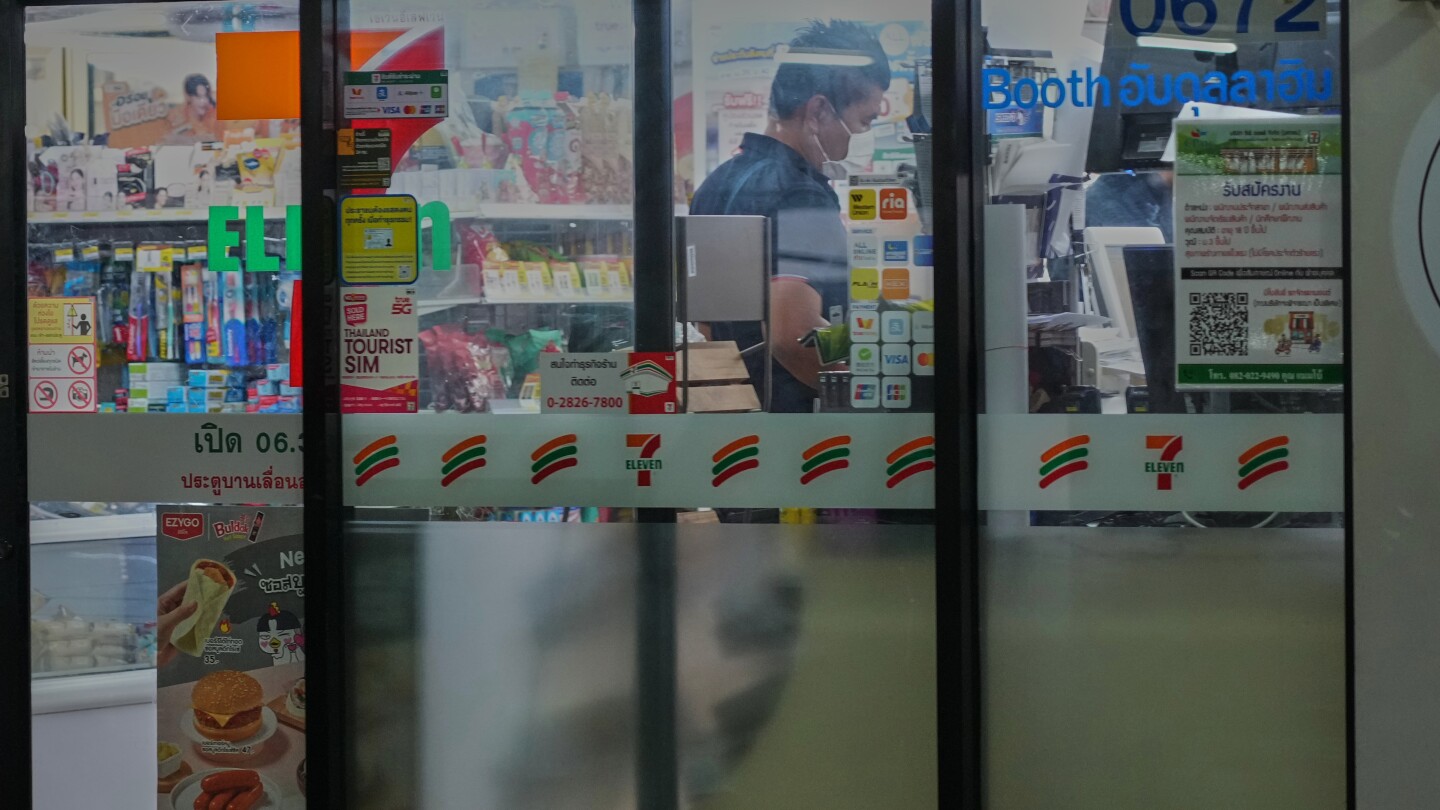
The relaxation of these regulations comes as Thailand seeks to reinvigorate its crucial tourism sector, which has been recovering steadily since the pandemic. The timing aligns with preparations for the busy year-end holiday period when tourist arrivals typically surge. Industry analysts suggest the change could significantly benefit businesses ranging from bars and restaurants to convenience stores and supermarkets.
“This regulatory shift represents Thailand’s evolving approach to balancing cultural traditions with economic priorities,” said a Bangkok-based tourism consultant who requested anonymity. “The afternoon hours were always a peculiar gap in service that confused many international visitors.”
The policy change did not come without debate. During the consideration period, public health advocates raised concerns that extending drinking hours might exacerbate Thailand’s ongoing struggle with drunk driving accidents, which remain a significant cause of traffic fatalities in the country. Road safety campaigners have urged authorities to implement stronger enforcement measures alongside the relaxed sales regulations.
In practice, the afternoon sales prohibition had long existed in a regulatory gray area, with inconsistent enforcement across different neighborhoods and venues. Airports, hotels, and certain entertainment establishments were already exempt from the restriction. Many smaller shops and restaurants routinely circumvented the rule through under-the-counter sales.
Thailand’s relationship with alcohol regulation has seen other significant changes in recent years. During the height of the coronavirus pandemic, authorities imposed comprehensive alcohol sales bans in many areas as part of broader efforts to limit social gatherings and slow the spread of the virus.
The Thai Alcohol Beverage Business Association estimates that the regulatory change could increase industry revenues by 5-10% annually, though official projections have not been released.
Local business owners have generally welcomed the change. Nattapong Siriwan, who runs a small bar in Bangkok’s Thonglor district, expressed optimism about the policy shift. “The afternoon hours were always difficult to explain to tourists. This makes our operations more straightforward and should help many businesses that cater to international visitors.”
As Thailand continues to position itself as a premier tourism destination in Southeast Asia, this policy change reflects the government’s willingness to reconsider longstanding regulations that may impact the country’s economic competitiveness and visitor experience.
Fact Checker
Verify the accuracy of this article using The Disinformation Commission analysis and real-time sources.

16 Comments
The cost guidance is better than expected. If they deliver, the stock could rerate.
Uranium names keep pushing higher—supply still tight into 2026.
Good point. Watching costs and grades closely.
Exploration results look promising, but permitting will be the key risk.
Good point. Watching costs and grades closely.
Good point. Watching costs and grades closely.
Interesting update on Thailand lifts ban on afternoon alcohol sales in time for year-end holiday festivities. Curious how the grades will trend next quarter.
Good point. Watching costs and grades closely.
Good point. Watching costs and grades closely.
Interesting update on Thailand lifts ban on afternoon alcohol sales in time for year-end holiday festivities. Curious how the grades will trend next quarter.
Production mix shifting toward World might help margins if metals stay firm.
Good point. Watching costs and grades closely.
The cost guidance is better than expected. If they deliver, the stock could rerate.
Good point. Watching costs and grades closely.
Exploration results look promising, but permitting will be the key risk.
Uranium names keep pushing higher—supply still tight into 2026.