


Listen to the article
The U.S. Navy released detailed investigations Thursday into four separate incidents involving the aircraft carrier USS Harry S. Truman, all occurring during its deployment to counter Houthi rebel attacks on shipping in the Red Sea region.
The documents reveal a concerning pattern of mishaps that included a friendly fire incident, a collision with a merchant vessel, and the loss of two fighter jets overboard. Investigators painted a picture of a carrier crew under intense pressure from constant missile threats and a demanding operational tempo that compromised safety protocols.
In December 2024, during the Truman’s first defensive strike against Houthi positions, the USS Gettysburg mistakenly fired upon two F/A-18F fighter jets from the carrier, believing them to be incoming Houthi missiles. The investigation largely blamed poorly trained personnel in the Gettysburg’s combat information center who relied too heavily on technology. One missile struck a jet, forcing its crew to eject, while a second missile was stopped before impact.
Two months later, in February 2025, the Truman collided with a merchant vessel while navigating the congested waters outside the Suez Canal. Crew members later told investigators they were feeling the strain of “a pressurized schedule and a culture of ‘just get it done.'” The officer navigating the carrier was moving at an unsafe speed that would have required nearly a mile and a half to stop. When a merchant ship moved into a collision path, insufficient action was taken to avoid danger.
Investigators faulted not only the officer in charge but also senior leadership, including the ship’s commander and navigator, for failing to recognize the risks involved in the transit.
By March, the Truman had returned to the Red Sea where the operational pace remained relentless. Captain Christopher Hill told investigators the crew had been “flying everyday with little exception” since March 15, while facing “a myriad of drone and cruise missile attacks, numerous combat operations, additional mishaps, and deployment extensions.”
This high-pressure environment contributed to an April incident when an F/A-18F fighter jet slid off the carrier’s deck during evasive maneuvers to avoid an incoming Houthi missile. The investigation revealed that proper procedures called for hangar doors to be shut, but the jet was blocking them. As sailors attempted to move the aircraft, officers began executing sharp turns without notifying hangar personnel. When the carrier tilted, the jet began sliding despite attempts to apply brakes.
Investigators noted the flight deck was “far dirtier and more slippery than normal” because the “high operational tempo of combat flight operations impeded the regular 10-day scrubs” typically required for maintenance.
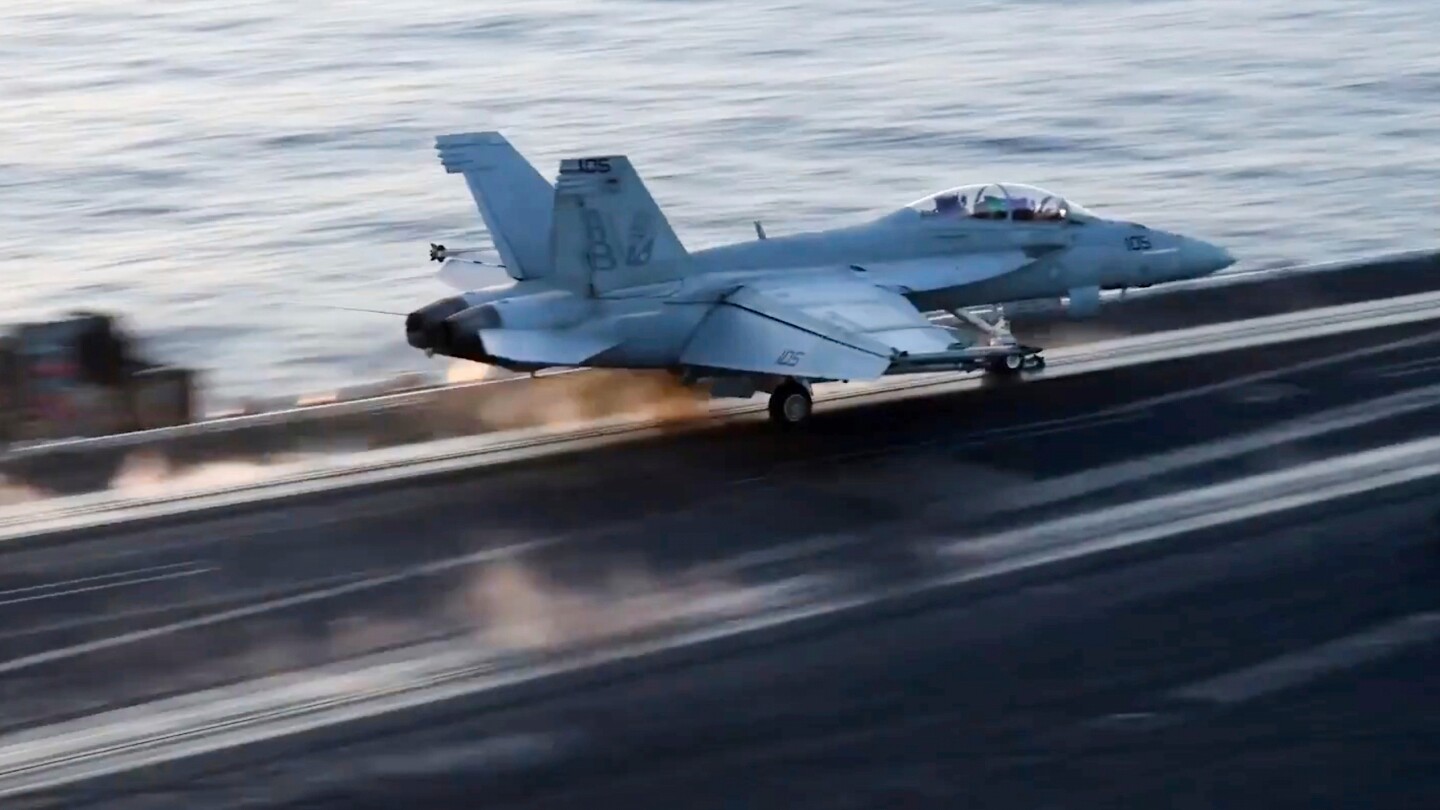
The final incident occurred in May 2025 when another F/A-18F fighter jet went overboard during a landing attempt. A cable designed to stop the 50,000-pound aircraft snapped due to poor maintenance. The investigation found that the cable system connecting the flight deck wires to the braking hydraulics below deck was missing a crucial part meant to keep a connecting pin in place.
Rear Admiral Sean Bailey, commander of Truman’s strike group at the time, stated the mishap was “entirely preventable” and that “multiple individuals at all levels of leadership were complicit” in allowing maintenance standards to deteriorate. However, investigators acknowledged that “maintenance support personnel struggled to balance maintenance requirements with operational requirements” amid the intense operational demands.
These successive incidents highlight the significant challenges faced by naval forces operating in high-threat environments with extended deployments. The investigations serve as a stark reminder of how operational pressure can cascade into safety failures with potentially catastrophic consequences, even aboard one of the nation’s most sophisticated warships.
The Navy’s decision to release all four reports simultaneously suggests an institutional acknowledgment of systemic issues that transcend individual incidents, potentially signaling broader changes to operational protocols, maintenance schedules, and leadership accountability within carrier strike groups deployed to combat zones.
Fact Checker
Verify the accuracy of this article using The Disinformation Commission analysis and real-time sources.

7 Comments
Transparency from the Navy on these investigations is commendable. Identifying and addressing the root causes of these mishaps, from overreliance on tech to demanding operational tempos, will be crucial to enhancing safety and readiness for future missions.
The collision between the Truman and a merchant vessel in the congested Suez waters is another troubling mishap. Operating in such busy shipping lanes under pressure must be incredibly challenging for the crew. It’s good the Navy is investigating these incidents thoroughly to identify areas for improvement.
The details on the friendly fire incident where the Gettysburg mistakenly targeted Truman fighter jets are quite concerning. Relying too heavily on technology and poorly trained personnel can clearly have disastrous consequences in these high-stakes scenarios. Better training and protocols seem crucial.
As the U.S. looks to counter Houthi threats, these operational mishaps are a stark reminder of the risks and complexities involved. While the details are concerning, I’m glad the Navy is being transparent and aiming to learn from these incidents to enhance safety and readiness going forward.
Interesting to see the investigations into these Navy mishaps during operations against the Houthis. Seems like intense pressure and operational tempo compromised safety protocols, leading to concerning incidents like friendly fire and collisions. Hopefully lessons are learned to prevent similar issues in the future.
These incidents underscore the immense challenges and risks the Navy faces in countering threats like the Houthis. While the details are concerning, I’m hopeful the thorough investigations will lead to meaningful improvements in training, protocols, and equipment to better protect personnel and assets.
The loss of two fighter jets overboard is a significant material cost on top of the safety issues highlighted. Hopefully the Navy can implement changes to better secure aircraft and ensure crew are not put in such precarious situations, even during intense operations.