


Listen to the article
Slovenians Reject Law Allowing Assisted Dying in National Referendum
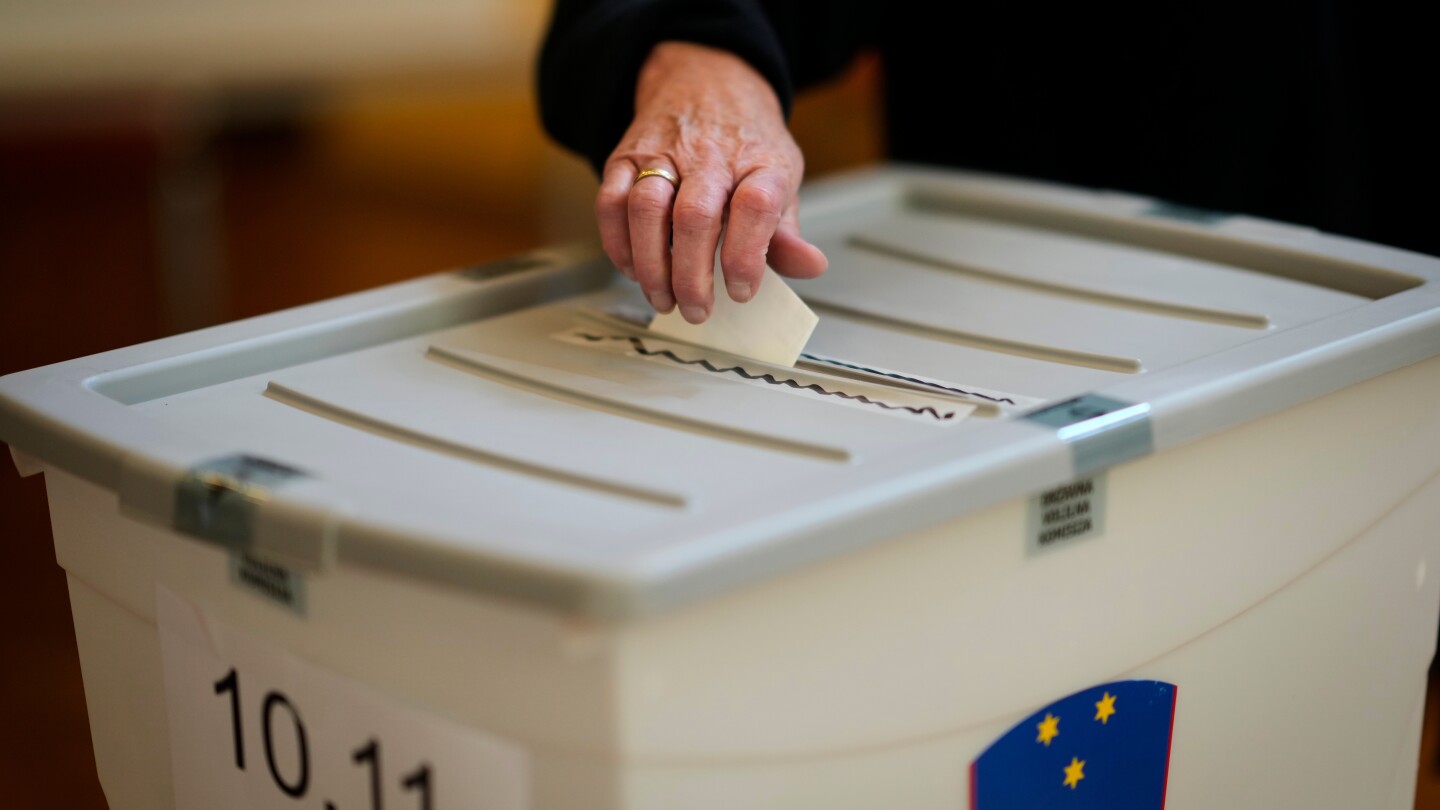
Slovenian voters have decisively rejected a law that would have allowed terminally ill patients to end their lives, dealing a significant setback to the country’s right-to-die movement. According to preliminary results released by Slovenia’s State Electoral Commission, approximately 53% voted against the measure, while 46% supported it.
The referendum, which saw a 41% voter turnout, effectively suspends legislation that had been passed by the Slovenian Parliament in July. Under the country’s electoral rules, the opposition needed to secure “no” votes from at least 20% of the 1.7 million eligible voters to invalidate the law – a threshold they successfully crossed.
“Compassion has won,” declared Ales Primc, a conservative activist who spearheaded the campaign against assisted dying. “Slovenia has rejected the government’s health, pension and social reform based on death by poisoning.”
The rejected legislation would have permitted mentally competent individuals with no chance of recovery or those facing unbearable pain to receive assistance in ending their lives. The process would have required approval from two doctors and a mandatory consultation period, with patients ultimately administering the lethal medication themselves. The law specifically excluded individuals with mental illnesses.
This referendum marks the second public vote on the issue in Slovenia. Last year, voters had supported the concept in a non-binding referendum, which prompted Parliament to draft and pass the legislation. However, opponents – including conservative groups, certain medical associations, and the Catholic Church – collected more than 40,000 signatures to force Sunday’s decisive vote.
Critics of the law argued it violated Slovenia’s constitution and suggested the government should instead focus resources on improving palliative care services. The Catholic Church, which maintains significant influence in the predominantly Catholic nation of 2 million people, has consistently opposed euthanasia and assisted suicide on moral grounds.
Prime Minister Robert Golob, whose liberal government backed the legislation, acknowledged the referendum outcome while emphasizing that the underlying issue remains unresolved. “This is not a political issue, it has always been a matter of dignity, human rights, and individual choice,” he said in a statement following the results.
Supporters of assisted dying expressed disappointment but remained optimistic about future legislative efforts. They have long contended that individuals deserve the autonomy to determine how and when to end their suffering with dignity.
The referendum highlights Slovenia’s ongoing struggle to balance progressive social policies with traditional values. The country has historically been considered among the more liberal former Yugoslav republics, often adopting progressive stances on various social issues.
President Natasa Pirc Musar, who cast her ballot on Sunday, emphasized the importance of civic participation. “It is extremely important for citizens to go to the polls, not only when there are parliamentary or presidential elections,” she said. “It is right for us as individuals to say what we think about a certain topic. It is right for us to tell politicians what we think is right and what we think is wrong.”
The rejected legislation would have aligned Slovenia with several other European Union nations that have legalized some form of assisted dying, including neighboring Austria, Belgium, Luxembourg, the Netherlands, and Spain. These countries have implemented various safeguards while providing options for those with terminal illnesses to end their lives legally.
The referendum outcome represents a significant victory for conservative forces in Slovenia and demonstrates the continuing polarization around end-of-life issues across Europe. As the population ages and medical technology advances, debates about dignity in dying and patient autonomy are likely to remain at the forefront of public discourse throughout the continent.
Fact Checker
Verify the accuracy of this article using The Disinformation Commission analysis and real-time sources.

10 Comments
Assisted dying is a contentious topic without easy answers. I respect Slovenia’s democratic process in allowing citizens to weigh in directly through this referendum. It’s clear there are strongly held views on both sides of this issue.
This vote demonstrates the complexity and sensitivity around end-of-life decisions. I imagine there will be continued discussion and debate in Slovenia as they navigate these challenging ethical questions.
Assisted dying is an ethically fraught issue without easy answers. I’m glad to see Slovenia engage its citizens directly through a referendum, even if the result was a narrow rejection of the law. These debates will likely continue.
Referendums give the public a direct voice, which is valuable for sensitive social issues like this. But end-of-life decisions also require careful consideration of medical, legal and moral factors beyond just a simple vote.
Referendums allow the public to have a direct say, which is valuable. But end-of-life issues involve many competing considerations – medical, ethical, personal. I’m not surprised this was a close and difficult vote for Slovenians to make.
While the outcome went against the assisted dying law, the referendum itself was an important democratic exercise. These are the kinds of complex social issues that warrant robust public discourse and input.
This referendum result shows how deeply divided society can be on assisted dying. There are valid arguments on both sides that need to be carefully weighed. I respect Slovenia for letting citizens have a direct say, even if the outcome was close.
It will be interesting to see if this issue resurfaces in Slovenia in the future. These end-of-life decisions involve a lot of nuance and personal values that aren’t easily resolved through legislation.
This is a sensitive and complex issue. I can understand the compassion behind allowing assisted dying, but it’s also important to consider the ethical and practical implications. Glad to see Slovenians had a chance to voice their views directly through the referendum process.
It will be interesting to see how this debate evolves in Slovenia and other countries grappling with end-of-life choices. These are deeply personal decisions that require nuanced policy-making.