


Listen to the article
Mexican President Defuses Tensions Following CIA Agents’ Deaths in Chihuahua
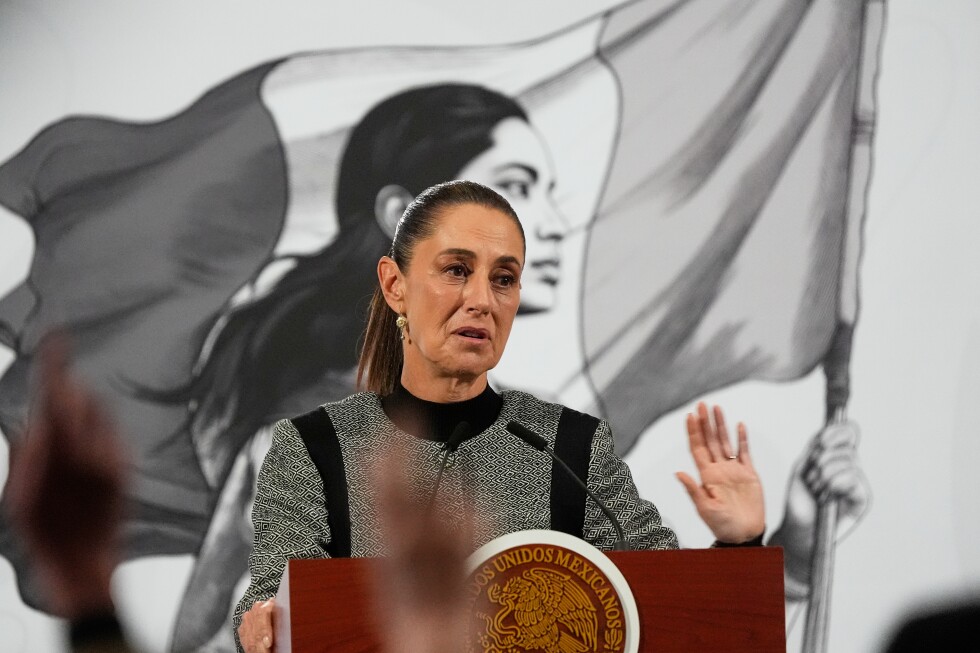
Mexican President Claudia Sheinbaum has moved to ease diplomatic tensions with the United States after two CIA agents died in an accident in Mexico’s northern state of Chihuahua. Speaking at her Monday morning briefing, Sheinbaum emphasized that while the agents were reportedly operating without proper authorization on Mexican soil, she does not anticipate a diplomatic conflict with Washington.
“Let us hope this is an exceptional case… and that a situation like this never happens again,” Sheinbaum stated, balancing firm language about sovereignty with a conciliatory tone. She added that her administration expects the U.S. to respect Mexico’s constitutional framework and national security laws in future operations.
The incident has already claimed a political casualty. César Jáuregui Moreno, head of the Chihuahua state prosecutor’s office, resigned Monday night following contradictory statements about local authorities’ cooperation with U.S. agents. Jáuregui had initially acknowledged that state officials had collaborated with the Americans on an operation before retracting his comments under apparent pressure from the federal government.
Mexico’s Ministry of Security released a statement Saturday providing additional details about the agents’ entry into the country. According to officials, one agent had entered Mexico as a visitor while the other used a diplomatic passport. The ministry emphasized that federal authorities had no knowledge of foreign agents conducting operations within Mexican territory.
The CIA has declined to comment on the matter. However, a U.S. official and two other sources familiar with the case confirmed to The Associated Press last week that the deceased Americans were indeed CIA operatives. These sources spoke anonymously due to the sensitive intelligence aspects of the situation.
The incident has brought renewed scrutiny to the complex security relationship between the two neighboring countries. Last year, Mexico reached an agreement with the Trump administration to coordinate security efforts while maintaining respect for each nation’s sovereignty. This latest development tests the parameters of that agreement.
President Sheinbaum has called for a thorough investigation, urging the Attorney General’s Office to take action following an upcoming Senate debate on the matter. The federal government has summoned Chihuahua Governor María Eugenia Campos, a prominent opposition figure, to testify in Mexico City on Tuesday alongside the state’s attorney general.
The presence of U.S. intelligence agencies in Mexico has long been a delicate issue. The CIA and Drug Enforcement Administration (DEA) have operated in the country for decades, but their activities typically only become public when problems arise. A notable example occurred in 2012 when two CIA agents were wounded after their U.S. Embassy vehicle was shot at near Mexico City.
The incident touches on broader concerns about sovereignty and security cooperation between the United States and Mexico. For the Mexican government, maintaining control over foreign intelligence operations within its borders is both a constitutional requirement and a matter of national pride. For U.S. agencies, intelligence gathering in Mexico is considered vital to combating drug trafficking organizations that operate across the shared 2,000-mile border.
Despite the potential for diplomatic friction, Sheinbaum’s measured response suggests her administration is prioritizing the broader U.S.-Mexico relationship, which encompasses crucial economic ties, immigration issues, and shared security challenges.
As both countries work through this sensitive matter, experts note that such incidents highlight the ongoing challenge of balancing effective security cooperation with respect for sovereign boundaries—a delicate balance that has characterized U.S.-Mexico relations for decades.
Fact Checker
Verify the accuracy of this article using The Disinformation Commission analysis and real-time sources.

18 Comments
While the loss of life is regrettable, this incident also raises important questions about the scope and authorization of foreign intelligence operations within Mexico. Establishing clear protocols and transparency around such activities will be key to avoiding future conflicts.
Exactly. Both countries have a responsibility to work together to ensure full compliance with local laws and respect for national sovereignty.
The resignation of the Chihuahua state prosecutor suggests there may have been some breakdowns in communication or coordination between Mexican and US agencies involved in this operation. Strengthening inter-agency cooperation and information sharing will be crucial to preventing similar issues in the future.
Good point. Improved coordination and defined roles and responsibilities can help mitigate the risk of unauthorized or unilateral actions that could compromise national sovereignty.
This incident highlights the need for strong, cooperative relationships between intelligence agencies and law enforcement on both sides of the border. While national sovereignty must be respected, collaborative efforts to combat transnational threats can be mutually beneficial if managed properly.
Agreed. Effective information sharing and joint operations, when conducted with proper authorization and oversight, can be a valuable tool in addressing shared security concerns.
This is a complex situation that touches on issues of national security, intelligence cooperation, and diplomatic relations. It will be important for the Mexican and US governments to thoroughly investigate the incident and establish clear protocols to prevent similar occurrences in the future.
Absolutely. Transparency and accountability from both sides will be crucial in rebuilding trust and strengthening the bilateral relationship.
The loss of life is unfortunate, regardless of the circumstances. Ensuring proper authorization and adherence to local laws should be a priority for any foreign intelligence operations on Mexican soil. This incident highlights the need for improved coordination and mutual respect between the US and Mexico on security matters.
Well said. Both sides have a responsibility to work together while respecting each other’s sovereignty and legal frameworks.
The resignation of the Chihuahua state prosecutor suggests there may have been some missteps or lack of coordination in this operation. Maintaining clear communication and defined roles between Mexican and US agencies will be essential to avoid such issues going forward.
Good point. Establishing well-defined procedures and lines of authority can help mitigate the risk of future misunderstandings or unauthorized activities.
This incident underscores the delicate balance between intelligence cooperation and respecting national sovereignty. While the US and Mexico have a shared interest in combating transnational threats, any foreign operations on Mexican soil must be conducted with the full knowledge and approval of the Mexican government.
Well said. Maintaining open lines of communication and a commitment to transparency will be essential for rebuilding trust and strengthening the bilateral relationship.
The Mexican president’s measured response, balancing firm language on sovereignty with a conciliatory tone, seems like a prudent approach. Maintaining open lines of communication and a constructive dialogue will be crucial for resolving this situation and strengthening the US-Mexico relationship going forward.
Well said. This delicate diplomatic dance requires nuance and a commitment to finding common ground, rather than escalating tensions unnecessarily.
This is a sensitive diplomatic situation that requires a balanced approach. It’s good to see the Mexican president trying to defuse tensions while also asserting national sovereignty. Maintaining strong ties with the US is important, but respecting Mexico’s laws and security framework is crucial.
Agreed. Transparency and clear communication between the two countries will be key to resolving this incident constructively.