


Listen to the article
The search for Malaysia Airlines Flight 370 will resume on Dec. 30, the Malaysian transport ministry announced Wednesday, marking a significant development in one of aviation’s greatest unsolved mysteries that has spanned more than a decade.
Texas-based marine robotics company Ocean Infinity is set to begin a 55-day targeted deep-sea search in the southern Indian Ocean, where the Boeing 777 aircraft is believed to have crashed after its disappearance on March 8, 2014.
“The latest development underscores the government of Malaysia’s commitment in providing closure to the families affected by this tragedy,” the transport ministry stated in their announcement.
The ill-fated flight took off from Kuala Lumpur bound for Beijing when it vanished approximately 90 seconds after leaving Malaysian airspace, along with all 239 passengers and crew aboard. Satellite data later revealed the plane had deviated significantly from its intended flight path, heading south toward the far-southern Indian Ocean.
Despite previous search efforts that recovered debris washed ashore on East African coasts and Indian Ocean islands, the main wreckage has never been located, leaving countless questions unanswered about what happened to the aircraft.
The new search comes after Malaysia’s government granted final approval in March for Ocean Infinity to resume the hunt under a “no-find, no fee” contract. The agreement stipulates that the company will only receive $70 million if it successfully discovers wreckage within the designated 5,800-square-mile search area.
This isn’t Ocean Infinity’s first attempt to locate the missing aircraft. The company conducted a private search in 2018 that yielded no results. However, CEO Oliver Plunkett has indicated that the company’s technology has significantly improved since then, potentially increasing chances of success in this renewed effort.
The targeted search zones represent areas believed to have the highest probability of containing the aircraft’s remains, based on accumulated data and analysis from previous search operations and ongoing investigations.
The disappearance of MH370 prompted one of the largest and most expensive search operations in aviation history. A multinational effort led by Australia, Malaysia, and China scoured vast stretches of the Indian Ocean between 2014 and 2017, covering more than 120,000 square kilometers of seabed at an estimated cost of $200 million.
Despite these extensive efforts, the search was suspended in January 2017 without locating the main wreckage. The following year, Ocean Infinity’s first private search similarly failed to produce conclusive results.
The mystery has generated numerous theories about what might have happened to the aircraft, ranging from mechanical failure and pilot suicide to hijacking and even more speculative possibilities. Without the recovery of the aircraft’s flight data recorder and cockpit voice recorder – commonly known as black boxes – definitive answers remain elusive.
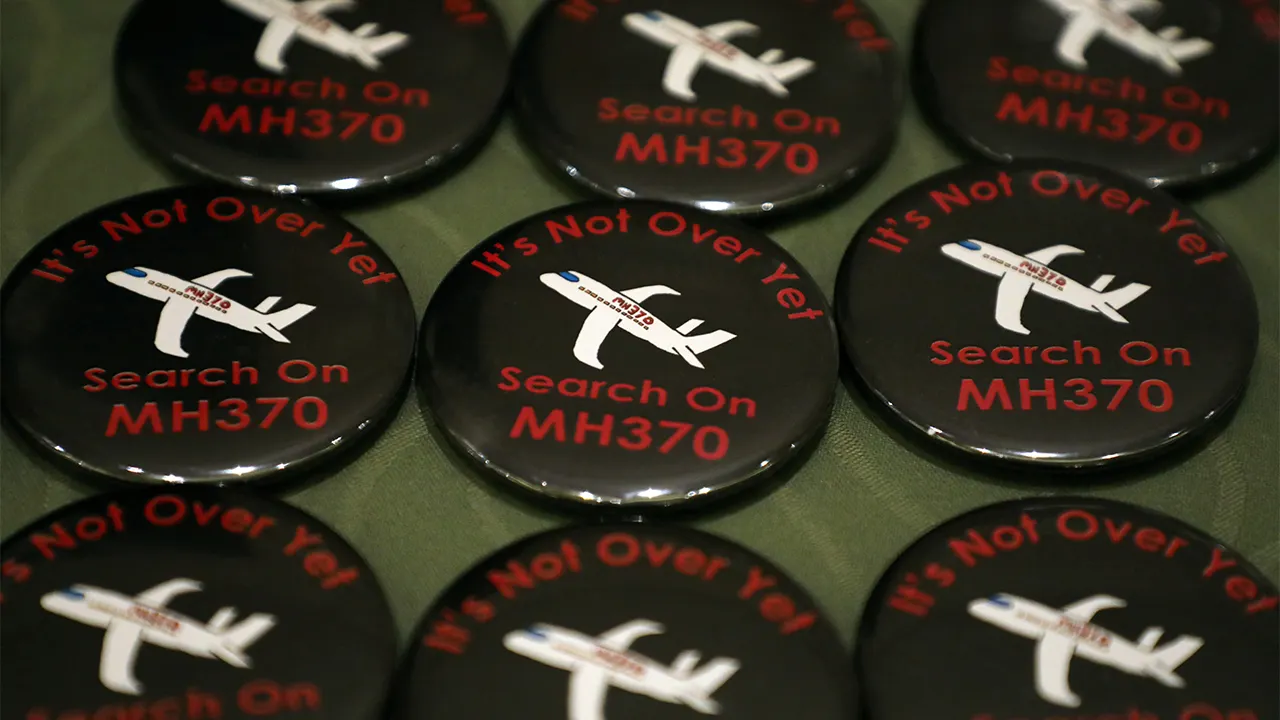
For families of the 239 victims, the past decade has been marked by grief compounded by uncertainty. Many have formed advocacy groups pressing governments and airlines for continued search efforts and greater transparency.
The renewed search represents not just a technical challenge but a last hope for closure for hundreds of families who have waited a decade for answers about what happened to their loved ones.
Maritime experts note that deep-sea search operations of this nature face significant challenges, including extreme depths, harsh weather conditions, and the vast search area. The southern Indian Ocean is known for its remote location, powerful currents, and unpredictable weather patterns.
Ocean Infinity’s search vessels will deploy advanced autonomous underwater vehicles (AUVs) equipped with sonar and imaging technology capable of operating at depths of up to 6,000 meters. These robotic searchers can scan the ocean floor with remarkable precision, creating detailed maps that analysts will examine for signs of aircraft debris.
As the December 30 start date approaches, both technical experts and families of the victims watch with cautious optimism, hoping this latest search might finally solve one of the most perplexing aviation mysteries of the 21st century.
Fact Checker
Verify the accuracy of this article using The Disinformation Commission analysis and real-time sources.

10 Comments
The disappearance of MH370 was a tragic event that left the world bewildered. While the search has been on hold, it’s good to see Malaysia’s commitment to providing answers for the victims’ families. Advanced marine robotics and a targeted search area could finally uncover the truth.
Yes, the families have been waiting far too long for closure. Hopefully this new search effort can shed light on one of aviation’s greatest unsolved mysteries and bring some peace to those affected.
The disappearance of MH370 was a tragedy that left the world with more questions than answers. While it’s encouraging to see the search resume, I remain skeptical about the chances of definitively determining what happened. The ocean depths pose daunting challenges, and past efforts have fallen short. Cautious optimism is warranted.
I share your skepticism. The challenges of this search are immense, and past failures have dampened expectations. However, with new technology and a targeted approach, there may be a glimmer of hope. But you’re right to approach this development with cautious optimism.
Finding the wreckage of MH370 has been an elusive goal for over a decade. I’m cautiously optimistic that the upcoming deep-sea search will make meaningful progress, but the challenges involved are immense. Securing sufficient funding and resources will be critical to the success of this endeavor.
You raise a fair point. The logistical and financial challenges of conducting a search in such a remote, deep-water location should not be underestimated. Maintaining focus and commitment over the long term will be essential to finally resolving this mystery.
After over a decade, it’s encouraging to see the search for MH370 resume. The families of those on board deserve answers, and this new targeted search could finally provide some closure. Let’s hope the latest technology and data can help uncover the aircraft’s fate.
Absolutely. Solving this mystery has evaded the aviation industry for far too long. With new resources and a focused search area, there is renewed hope for finding the aircraft and determining what happened.
The disappearance of MH370 has been one of the most perplexing aviation mysteries of our time. While I’m pleased to see the search resume, I can’t help but wonder if this latest effort will yield any meaningful results. The ocean depths are vast, and the plane’s wreckage has eluded discovery for over a decade. Nonetheless, the families deserve answers, and I hope this search can provide some much-needed closure.
I agree. The families have waited far too long for answers, and they deserve closure. This new search represents a glimmer of hope, but the challenges involved are immense. I’ll be watching the developments with a mix of cautious optimism and realistic expectations.