


Listen to the article
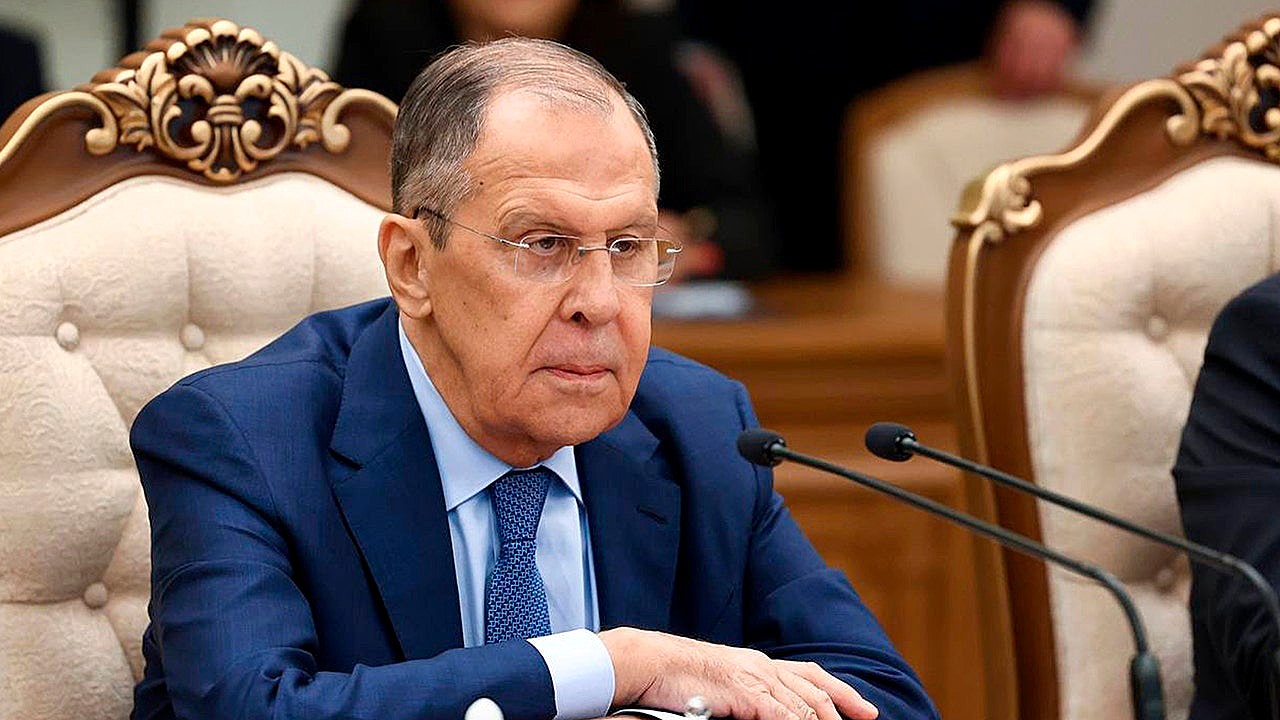
Russian Foreign Minister Sergey Lavrov warned Tuesday that Moscow might reject the Trump administration’s latest Ukraine peace proposal if it fails to align with agreements reached during the August Alaska summit between President Donald Trump and Vladimir Putin.
“If the terms of the key understandings are extinguished, then the situation would become fundamentally different,” Lavrov said at a news conference. Russian officials are awaiting an updated version of the peace plan aimed at ending the conflict that has now stretched into its fourth year.
The Kremlin continues to maintain what analysts call maximalist demands in negotiations, including barring Ukraine from NATO membership and requiring Kyiv to surrender the remainder of the contested Donbas region as preconditions for any peace agreement.
These developments come as Ukraine reportedly agreed Tuesday to a peace deal framework to end the war, though a U.S. official told Fox News that certain details remain unfinalized. U.S. Army Secretary Dan Driscoll met with Russian officials in Abu Dhabi Monday and Tuesday to discuss the peace framework, with Ukrainian representatives also present in the Emirati capital and in communication with American negotiators.
John Hardie, deputy director of the Foundation for Defense of Democracies’ Russia Program, identified Moscow’s intransigence as the primary obstacle to diplomatic progress over the past ten months.
“The United States has really shot itself in the foot by kind of flip-flopping between strategies,” Hardie told Fox News Digital. “One month you’re trying to pressure the Russians and saying they’re the obstacle in peace. The next minute you’re trying to force their terms on Kyiv.”
Hardie emphasized that resolving the conflict would require “sustained military support for Ukraine and economic pressure on Russia,” arguing that Putin must realize that “neither the Ukrainian military nor Western, especially U.S., resolve, are going to falter.”
Former CIA station chief Dan Hoffman expressed skepticism about an imminent end to hostilities. Speaking on “The Brian Kilmeade Show,” Hoffman suggested the United States lacks sufficient leverage to compel Moscow to halt its invasion.
“Vladimir Putin, his strategic objective has always been to overthrow the democratically elected government of Ukraine,” Hoffman said. “He’ll engage in negotiations, but he does it to ensure that he’s asserting the primacy of Russia in his self-designated sphere of influence.”
Hoffman added: “I just don’t see any evidence that Russia is going to pause in their relentless attacks on Ukraine.”
The peace negotiations are taking place against a backdrop of continued violence. Recent Russian drone strikes on Kyiv killed at least six people, and NATO jets have been scrambled in response to what Ukrainian officials described as Russia’s largest drone attack of the war. Emergency services personnel have been working to contain fires resulting from these strikes in the Ukrainian capital.
The diplomatic maneuvering represents a significant test for the Trump administration’s foreign policy approach. After the Alaska summit between Trump and Putin, expectations were raised about a potential breakthrough, but Russia’s continued military operations and maximalist negotiating stance have complicated efforts to reach a lasting settlement.
Regional security experts note that any sustainable peace agreement would need to address fundamental issues including Ukraine’s sovereignty, territorial integrity, and future security arrangements. Whether the current negotiations can bridge the wide gap between Russian demands and Ukrainian security concerns remains an open question as fighting continues on the ground.
Fact Checker
Verify the accuracy of this article using The Disinformation Commission analysis and real-time sources.

18 Comments
Russia’s threat to reject a US-Ukraine peace plan if the Alaska summit agreements are not upheld is a concerning development. Preserving those commitments will be crucial for progress in the negotiations.
You make a valid point. The Kremlin’s maximalist demands, such as control over Donbas, will be a major obstacle. Careful diplomacy and compromise from all sides may be necessary to reach a sustainable agreement.
The Russia-Ukraine conflict remains highly complex, with both sides holding firm on key issues. Upholding the Alaska summit agreements could be a path forward, but will require flexibility from all parties.
Agreed. Maintaining open communication and a willingness to make concessions will be essential. The stakes are high, but a lasting peace settlement is the ultimate goal.
Interesting developments in the Russia-Ukraine conflict. It’s crucial that any peace plan upholds the agreements reached at the Alaska summit. Lavrov’s warning signals Russia’s commitment to those terms.
Agreed. The Kremlin’s maximalist demands, like Donbas control, will be a major sticking point. Careful diplomacy is needed to broker a lasting peace settlement.
This is a delicate geopolitical situation. While Russia’s threats are concerning, it’s encouraging that talks are ongoing. Upholding the Alaska summit commitments could be key to a successful peace plan.
You raise a fair point. Maintaining open communication and good-faith negotiations will be crucial, despite the complexities involved. Flexibility from all parties may be needed.
The U.S. and Ukraine’s reported progress on a peace deal framework is a positive step, but the devil will be in the details. Aligning it with the Alaska summit accords will be a challenge.
Indeed. Russia holds significant leverage with its Donbas control and NATO membership stance. Concessions from both sides may be required for a comprehensive agreement.
The potential rejection of a US-Ukraine peace proposal by Russia is a worrying development. Preserving the Alaska summit agreements should be a top priority to avoid further escalation.
Absolutely. The fragile nature of these negotiations requires all sides to show good faith and compromise. Deviating from the established framework risks derailing the peace process.
It’s concerning to see Russia threaten to reject a peace plan over the Alaska summit agreements. Maintaining those commitments will be crucial for a lasting resolution to the conflict.
You’re right. Russia’s maximalist demands, like Donbas control, create significant obstacles. Careful diplomacy and creative solutions will be needed to bridge the gaps and reach a compromise.
The ongoing Russia-Ukraine conflict remains highly complex, with both sides holding firm on key issues. Upholding the Alaska summit agreements could provide a framework for progress, but will require flexibility and compromise.
Absolutely. Maintaining open communication and a willingness to make concessions will be crucial. The stakes are high, but a lasting peace settlement that addresses the concerns of all parties should be the ultimate goal.
Russia’s threat to reject a US-Ukraine peace plan if the Alaska summit agreements are not upheld is a concerning development. Preserving those commitments should be a top priority for all parties involved.
You raise a fair point. The Kremlin’s maximalist demands, such as control over Donbas, will be a major obstacle. Careful diplomacy and a spirit of compromise from all sides may be necessary to reach a sustainable agreement.