


Listen to the article
Russia Extends U.S. Citizen’s Prison Sentence to 10 Years for Alleged Prison Guard Assault
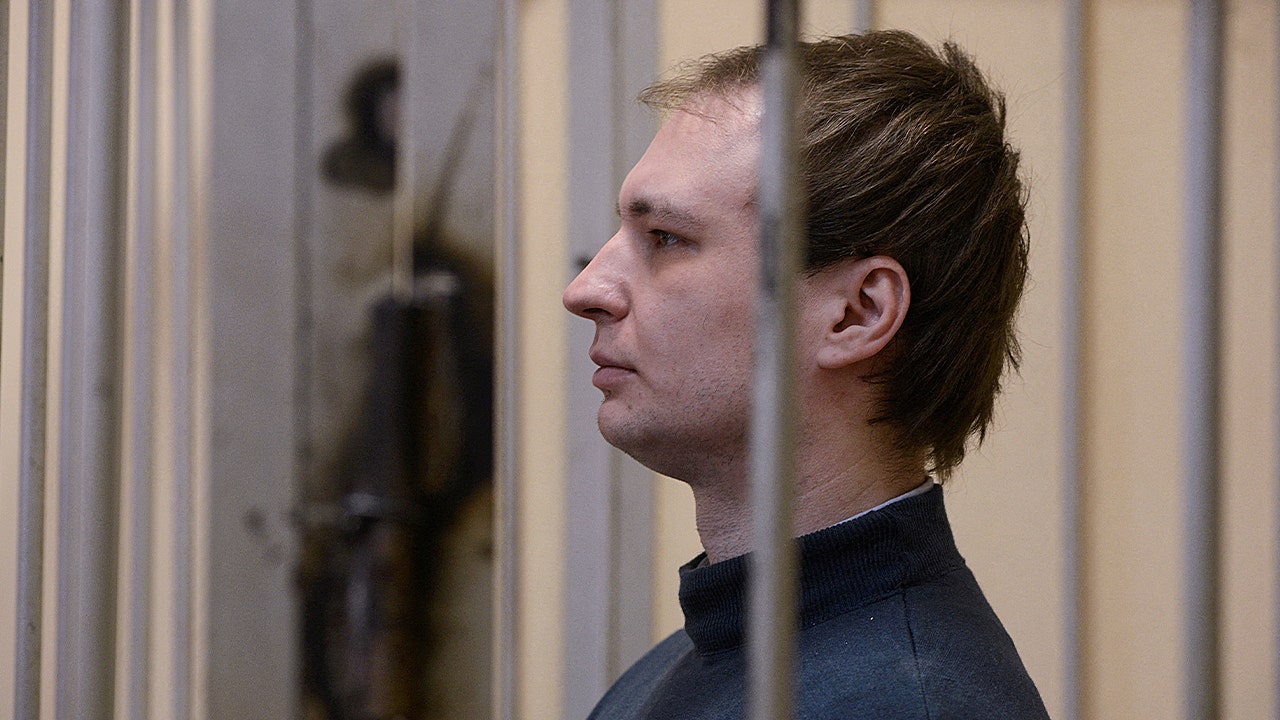
Russia has once again lengthened the imprisonment of U.S. citizen Robert Gilman, adding two more years to his sentence after a regional court found him guilty of assaulting prison staff. The ruling, issued Wednesday by a court in the Voronezh region, brings his total sentence to 10 years.
Prosecutors accused Gilman, a former U.S. Marine from Dracut, Massachusetts, of attacking two prison guards. The court determined that this incident constituted a new offense warranting additional punishment beyond his existing eight-year, one-month sentence.
This extension continues a pattern of steadily increasing charges and penalties since Gilman’s initial arrest in January 2022, when passengers on a train reported he was causing a disturbance while intoxicated. At the time, Gilman was traveling between Sochi and Moscow to replace a damaged passport.
Transport police removed him from the train in Voronezh, where he was initially detained for petty hooliganism. Russian media reported Gilman was heavily intoxicated, though he later claimed in court proceedings that he believed someone had spiked his drink.
The former Marine was first convicted in 2022 of assaulting a police officer, receiving an initial sentence of three and a half years. Reports indicate Gilman had bruised a Russian police officer with a kick while being forcibly removed from the train.
His legal troubles escalated significantly in 2024 when he was found guilty of multiple new offenses: attacking a prison inspector during a cell check, assaulting an investigator, and beating another guard. These convictions extended his sentence to just over eight years, with Wednesday’s decision pushing the total to a full decade.
According to Russian business newspaper Kommersant and other local media outlets, Gilman has admitted to some of the assaults. He reportedly stated that he began breaking prison rules after being threatened with transfer from his current detention facility—which he described as relatively humane and where he could receive packages from relatives—to a maximum-security penal colony.
During Wednesday’s court appearance, Gilman apologized and explained his preference to remain in the Voronezh facility. His lawyer, Irina Brazhnikova, told Russian state news agency TASS that Gilman would not appeal the newest verdict.
Gilman’s case highlights the precarious situation faced by Americans detained in Russia, particularly amid heightened tensions between Washington and Moscow. He is among at least nine U.S. citizens still imprisoned in Russia, despite several high-profile prisoner exchanges that took place in 2024 and 2025.
Several of these detainees, like Gilman, have U.S. military backgrounds, including Michael Travis Leake and Gordon Black. This pattern has raised concerns among diplomatic observers about whether individuals with military connections face additional scrutiny or harsher treatment in the Russian justice system.
Supporters of Gilman in the United States have argued that he was ill when first detained and was deliberately provoked into actions that produced additional charges. These claims align with concerns raised by human rights organizations about Russia’s use of its legal system against foreign nationals, particularly Americans, during periods of geopolitical tension.
The U.S. State Department typically classifies such detentions as wrongful, though official government statements regarding Gilman’s specific case have been limited. His situation underscores the challenges facing U.S. diplomats working to secure the release of Americans held in Russian detention facilities, particularly those whose sentences continue to grow through new charges filed while in custody.
Fact Checker
Verify the accuracy of this article using The Disinformation Commission analysis and real-time sources.

32 Comments
Silver leverage is strong here; beta cuts both ways though.
Good point. Watching costs and grades closely.
Good point. Watching costs and grades closely.
Uranium names keep pushing higher—supply still tight into 2026.
Good point. Watching costs and grades closely.
Good point. Watching costs and grades closely.
Production mix shifting toward World might help margins if metals stay firm.
Good point. Watching costs and grades closely.
Good point. Watching costs and grades closely.
I like the balance sheet here—less leverage than peers.
Good point. Watching costs and grades closely.
I like the balance sheet here—less leverage than peers.
Uranium names keep pushing higher—supply still tight into 2026.
Interesting update on Russia Increases US Citizen’s Sentence to 10 Years for Assaulting Prison Staff. Curious how the grades will trend next quarter.
Good point. Watching costs and grades closely.
Good point. Watching costs and grades closely.
I like the balance sheet here—less leverage than peers.
Exploration results look promising, but permitting will be the key risk.
Good point. Watching costs and grades closely.
Good point. Watching costs and grades closely.
I like the balance sheet here—less leverage than peers.
Good point. Watching costs and grades closely.
Silver leverage is strong here; beta cuts both ways though.
Good point. Watching costs and grades closely.
Good point. Watching costs and grades closely.
Silver leverage is strong here; beta cuts both ways though.
Good point. Watching costs and grades closely.
Silver leverage is strong here; beta cuts both ways though.
Good point. Watching costs and grades closely.
I like the balance sheet here—less leverage than peers.
Good point. Watching costs and grades closely.
Good point. Watching costs and grades closely.