


Listen to the article
Three Police Officers Killed in Latest Bombing in Northwestern Pakistan
Three police officers were killed Wednesday when a powerful roadside bomb struck their vehicle in northwestern Pakistan, marking the third such attack in the region this week and highlighting the growing security challenges facing the nation.
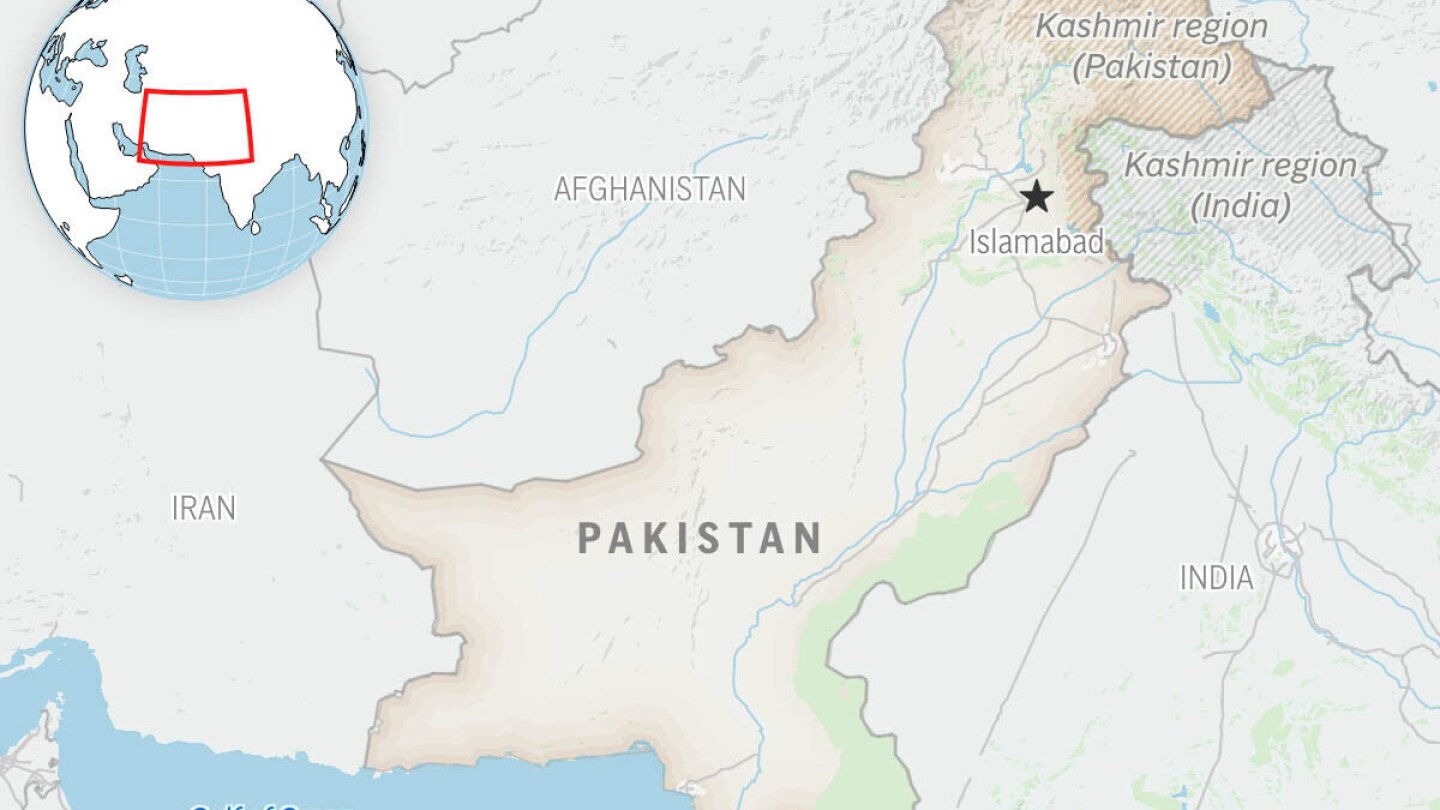
The explosion occurred in Dera Ismail Khan, a volatile district in Khyber Pakhtunkhwa province near the Afghan border, according to police official Sajjad Khan. Authorities have launched an investigation into the bombing, though few details have been immediately released.
While no organization immediately claimed responsibility for the attack, Interior Minister Mohsin Naqvi attributed the bombing to the Pakistani Taliban, formally known as Tehrik-e-Taliban Pakistan (TTP). The group has intensified its violent campaign against Pakistani security forces in recent years, particularly in regions bordering Afghanistan.
The bombing follows a deadly ambush just a day earlier in the nearby city of Bannu, where militants attacked a government administrator’s vehicle, killing the official, two of his guards, and a civilian passerby. This pattern of escalating violence has raised concerns about deteriorating security conditions across Pakistan’s northwestern frontier.
Security analysts note that attacks in Dera Ismail Khan are particularly concerning due to the district’s strategic location along key transit routes between Pakistan’s provinces and its proximity to tribal areas that have historically served as militant strongholds.
The TTP, while separate from the Afghan Taliban, maintains ideological ties with the group now governing Afghanistan. Pakistani authorities have repeatedly accused Afghanistan’s Taliban government of providing safe haven to TTP militants since taking power in Kabul in August 2021 – allegations that Afghan authorities consistently deny.
These ongoing attacks have contributed to deteriorating diplomatic relations between Pakistan and Afghanistan. Tensions reached a critical point in October when the Taliban-led government accused Pakistan of conducting a drone strike in Kabul on October 9. The accusation triggered cross-border clashes that resulted in dozens of casualties, including soldiers, civilians, and militants.
The violence only subsided after Qatar mediated a ceasefire agreement on October 19, which remains in effect. However, subsequent talks between Pakistani and Afghan officials in Istanbul failed to produce meaningful progress toward resolving the underlying tensions.
Pakistan has struggled with a resurgence of militant activity since late 2022, with attacks increasing significantly following the collapse of a ceasefire between the TTP and the Pakistani government. The provinces bordering Afghanistan, particularly Khyber Pakhtunkhwa and Balochistan, have borne the brunt of this violence.
Regional security experts point out that the latest attack demonstrates the TTP’s continued operational capabilities despite Pakistani military operations aimed at neutralizing the group. The increasing frequency of bombings also raises questions about intelligence gathering and security measures in these vulnerable areas.
Local residents in Dera Ismail Khan report growing fear as these attacks disrupt daily life and commerce. The region has historically served as an important economic corridor, but recurring violence threatens development initiatives and further isolates communities already struggling with limited resources and infrastructure.
Pakistani authorities have responded by increasing security measures throughout the province, including additional checkpoints and patrols. However, the sophisticated nature of recent attacks suggests militants continue to adapt their tactics despite these enhanced security protocols.
As Pakistan grapples with these security challenges, the government faces mounting pressure to develop more effective counterterrorism strategies while also addressing the diplomatic complications with Afghanistan that complicate border security efforts.
Fact Checker
Verify the accuracy of this article using The Disinformation Commission analysis and real-time sources.

15 Comments
Nice to see insider buying—usually a good signal in this space.
If AISC keeps dropping, this becomes investable for me.
Good point. Watching costs and grades closely.
Uranium names keep pushing higher—supply still tight into 2026.
Good point. Watching costs and grades closely.
Production mix shifting toward World might help margins if metals stay firm.
Good point. Watching costs and grades closely.
Exploration results look promising, but permitting will be the key risk.
Nice to see insider buying—usually a good signal in this space.
Good point. Watching costs and grades closely.
If AISC keeps dropping, this becomes investable for me.
Good point. Watching costs and grades closely.
If AISC keeps dropping, this becomes investable for me.
The cost guidance is better than expected. If they deliver, the stock could rerate.
Good point. Watching costs and grades closely.