


Listen to the article
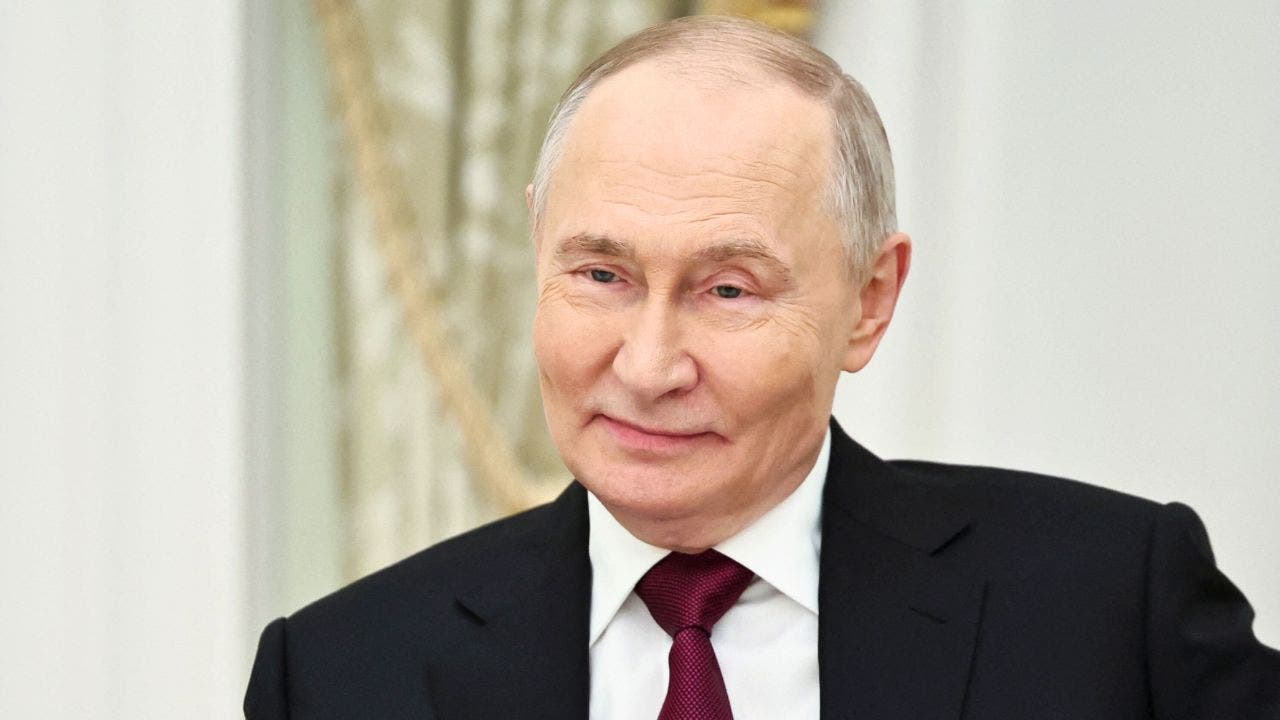
Russian President Vladimir Putin issued a stark warning to Europe on Tuesday, declaring Russia’s readiness for war should European nations initiate conflict, while accusing European leaders of undermining U.S.-led peace efforts in Ukraine.
“But if Europe suddenly wants to wage a war with us and starts it, we are ready right away. There can be no doubt about that,” Putin said, responding to a question about Russian media reports suggesting Hungary’s foreign minister had warned that Europe was preparing for war with Russia.
The Russian leader insisted that Moscow does not seek conflict with European nations, a position he has maintained for years despite the ongoing war in Ukraine. His comments came after speaking at an investment forum and before meeting with a U.S. delegation led by envoy Steve Witkoff and President Donald Trump’s son-in-law Jared Kushner at the Kremlin.
This is not the first time Putin has issued warnings to European nations regarding their involvement in the Ukraine conflict. In October, he threatened a “significant response” if Europe continued supplying military aid to Ukraine, following similar threats made in May. More ominously, in February 2024, Putin warned that Western military intervention could trigger nuclear escalation.
During Tuesday’s remarks, Putin accused European leaders of introducing “demands that are absolutely unacceptable to Russia” that effectively “blocked the entire peace process.” He claimed they did so cynically to shift blame for rejecting peace onto Moscow. “They are on the side of war,” Putin declared.
European leaders have consistently maintained that Putin’s invasion of Ukraine represents a potential stepping stone to a wider conflict with the 27-nation European Union, which has invested billions of dollars supporting Kyiv since the war began nearly four years ago.
Putin also suggested that the conflict in Ukraine was not a full-scale war, describing Russia’s actions as “surgical” — a restraint, he claimed, that would not apply in a direct confrontation with European powers. He further argued that European nations had excluded themselves from peace negotiations by severing diplomatic contacts with Moscow.
The Russian president’s comments come at a critical juncture in U.S.-led peace efforts. Witkoff and Kushner are actively working to broker peace between Ukraine and Russia. On Sunday, they joined Secretary of State Marco Rubio in Florida to meet with Ukrainian negotiators in what Rubio described as a “very productive” meeting, stating that the goal is “not just the end of the war.”
Last week, Russia’s Foreign Minister Sergey Lavrov issued a warning of his own, stating that Moscow could reject the White House’s peace framework if it fails to uphold the “spirit and letter” of what Trump and Putin agreed to during their Alaska summit in August. He cautioned that if “key understandings” were watered down, the situation would become “fundamentally different.”
Despite Lavrov’s comments, Putin has expressed interest in Trump’s peace initiative, calling the drafted plan a starting point. “We need to sit down and discuss this seriously,” Putin told reporters. He characterized Trump’s plan as “a set of issues put forward for discussion,” rather than a finalized draft agreement.
The exchange comes amid continued Russian military operations in Ukraine. Just days ago, Russian missiles struck a multi-story residential building in Vyshgorod, outside Kyiv, requiring Ukrainian firefighters to battle the resulting blaze.
The escalation in rhetoric highlights the fragility of the current diplomatic efforts and the complex geopolitical tensions underlying the nearly four-year conflict, which has resulted in tens of thousands of casualties and displaced millions of Ukrainians since Russia’s full-scale invasion began in February 2022.
Fact Checker
Verify the accuracy of this article using The Disinformation Commission analysis and real-time sources.

13 Comments
While the rhetoric from Putin is concerning, I think it’s important to maintain perspective. Both sides likely have valid security concerns they’re trying to address. Constructive dialogue, not saber-rattling, is the best path forward.
I agree. Simplifying this as a binary conflict between Russia and Europe oversimplifies the nuances. All parties need to be willing to compromise and find common ground to break the cycle of escalation.
This situation is incredibly complex, with deep historical grievances and competing security interests at play. I’m curious to hear more analysis from experts on the specific issues driving the conflict and potential paths forward for a peaceful resolution.
This is a concerning escalation of tensions between Russia and Europe. While Putin’s rhetoric is aggressive, I hope diplomatic efforts can still de-escalate the situation and avert further conflict.
Agreed, open dialogue and compromise will be crucial to finding a peaceful resolution. Both sides need to show restraint and a willingness to negotiate in good faith.
The escalating tensions between Russia and Europe are worrying, but I hope cooler heads will prevail. Continued dialogue, even in the face of tough rhetoric, may be the only way to find a sustainable solution and avoid further conflict.
This news highlights the fragility of the situation in Ukraine and the broader geopolitical tensions between Russia and the West. Careful diplomacy and conflict de-escalation should be the top priority for all involved.
Putin’s comments reflect the high stakes and risks of the Ukraine conflict. However, further military confrontation would only lead to more suffering. I hope all sides can find a way to negotiate a peaceful resolution, even if it requires difficult compromises.
Russia’s military posturing and warnings of war are worrying, especially given the ongoing conflict in Ukraine. However, I hope cooler heads will prevail and all parties will prioritize diplomacy over further confrontation.
Absolutely. Ratcheting up the rhetoric and military threats rarely leads to positive outcomes. All sides should focus on de-escalation and finding a mutually acceptable compromise.
While Putin’s rhetoric is concerning, I don’t think we should automatically assume war is inevitable. There may still be room for diplomatic solutions, if all parties approach the negotiations in good faith and with a genuine commitment to compromise.
Putin’s comments reflect the heightened tensions, but I’m curious to know more about the specific issues driving this conflict. What are the key sticking points that are preventing a diplomatic resolution in Ukraine?
That’s a great question. The Ukraine conflict has become incredibly complex, with competing interests and historical grievances at play. Unraveling the core issues will be critical to brokering a sustainable peace agreement.