


Listen to the article
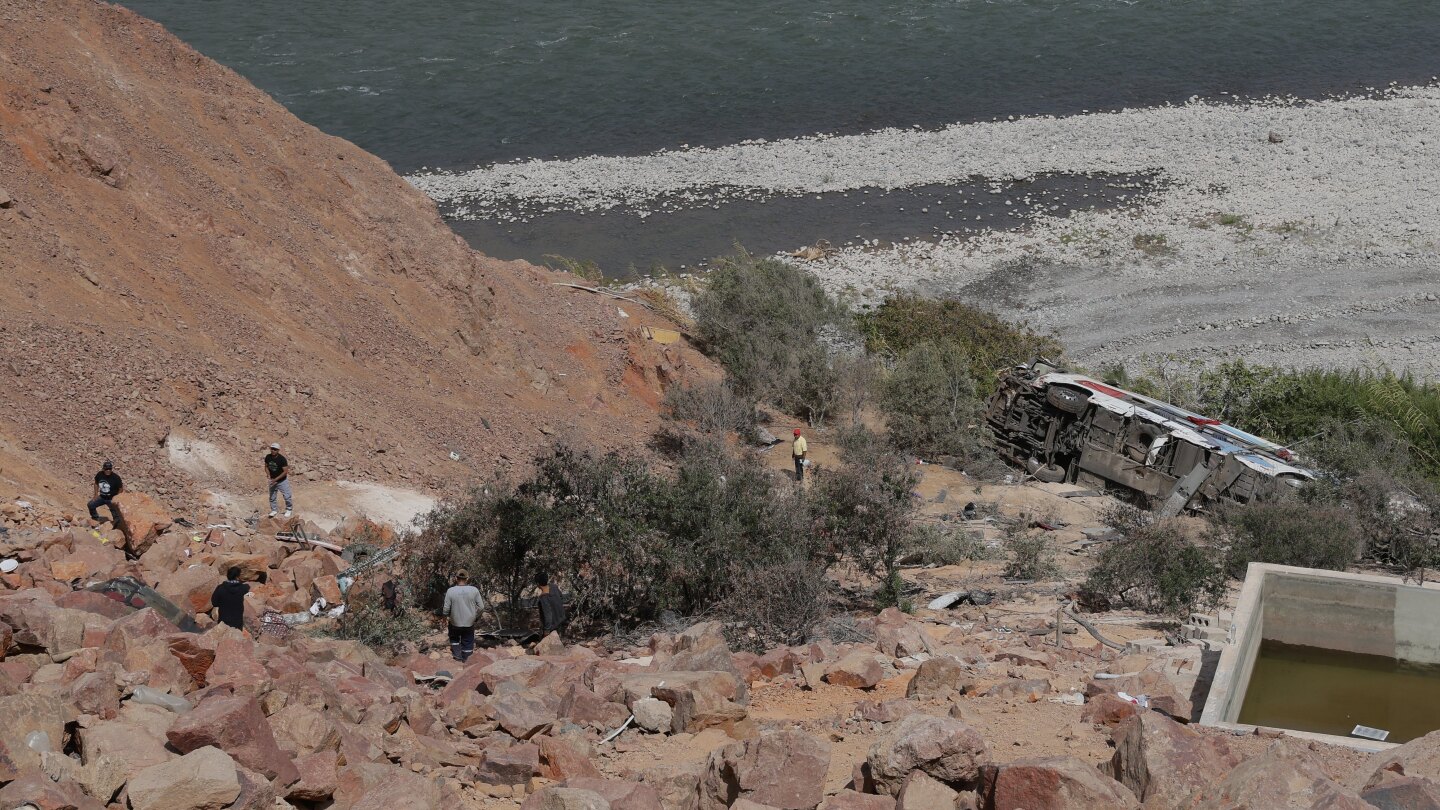
At least 37 people were killed and 13 others injured early Wednesday when a passenger bus plunged into a deep ravine in southern Peru after colliding with another vehicle, local authorities reported.
Walther Oporto, health manager for the Arequipa region, told local radio station RPP that the bus struck a pickup truck before veering off the road on a curve. The vehicle then plummeted more than 200 meters (650 feet) down to the banks of the Ocoña river below.
The ill-fated bus had departed from Chala, a mining town in southern Peru, and was en route to the city of Arequipa when the accident occurred. Authorities have not yet determined the exact cause of the crash, though preliminary reports suggest it may have followed the same pattern of previous accidents in the region.
Peru’s mountainous terrain and winding roads have long contributed to the country’s troubling record of fatal traffic accidents. Highway safety experts point to a combination of factors including poorly maintained vehicles, inadequate road infrastructure in remote areas, and insufficient enforcement of traffic regulations.
“Many of these mountain routes lack proper guardrails and safety features that could prevent vehicles from leaving the roadway,” said Carlos Mendoza, a transportation safety analyst based in Lima. “When you combine this with driver fatigue and the pressure to maintain tight schedules, it creates a recipe for disaster.”
This latest tragedy adds to a growing list of deadly bus accidents in Peru over the past year. In August, ten people died when a bus overturned on a highway. Just a month earlier, in July, another bus traveling from Lima to Peru’s Amazon region overturned, claiming at least 18 lives and leaving 48 passengers injured. January saw yet another fatal incident when a bus fell into a river, killing six people and injuring 32 others.
The frequency of these accidents has raised serious concerns about public transportation safety standards in Peru, particularly for long-distance routes that connect rural communities with urban centers. Many of these routes serve as vital lifelines for workers in the country’s mining industry, who often travel long distances between job sites and their homes.
Peru’s mining sector, centered in regions like Chala, is a cornerstone of the national economy, accounting for approximately 10% of the country’s GDP and more than half of its exports. The industry employs thousands of workers who rely heavily on intercity bus services.
According to Peru’s Death Information System, approximately 3,173 people lost their lives in traffic accidents across the country in 2024, highlighting the significant toll on public health and safety. This figure represents one of the highest road fatality rates in South America.
The Peruvian government has periodically announced initiatives to improve road safety, including stricter vehicle inspections and driver certification requirements. However, implementation and enforcement remain challenges, particularly in remote areas where regulatory oversight is limited.
Emergency response capabilities also vary widely across Peru’s diverse geography. In mountainous regions like Arequipa, rescue operations are often complicated by difficult terrain and limited access to advanced medical facilities.
As authorities continue their investigation into Wednesday’s crash, families of the victims have begun the painful process of identifying their loved ones at local hospitals and morgues. The incident has renewed calls from safety advocates for more stringent regulations and infrastructure improvements to prevent similar tragedies in the future.
Fact Checker
Verify the accuracy of this article using The Disinformation Commission analysis and real-time sources.

13 Comments
Tragic incident. My heart goes out to the victims and their families. Addressing Peru’s poor road safety record must be a top priority for the government to prevent such devastating accidents.
Agreed. Improving highway infrastructure and enforcement is essential to protect travelers in these remote regions.
My condolences to the victims’ families. Driving conditions in the Andes are extremely hazardous, and more investment is clearly needed in road engineering and driver training.
Absolutely. Upgrading safety features like guardrails could make a big difference and save lives on these treacherous routes.
Heartbreaking news. Driving in Peru’s mountains is notoriously dangerous, and this accident highlights the need for major investment in road improvements and safety measures.
Absolutely. Preventable accidents like this have devastating impacts. The government must make road safety a much higher priority.
Devastating loss of life. Peru’s mountainous roads are notoriously dangerous, and this accident illustrates the crucial need for comprehensive reforms to improve vehicle safety, road engineering, and traffic enforcement.
Tragic incident. Road safety must be a top priority in Peru’s rugged terrain. Proper vehicle maintenance, infrastructure upgrades, and enforcement are crucial to prevent such devastating accidents.
Agreed. Improving highway safety should be a major focus for the government to protect travelers in these remote mountainous regions.
My condolences to the victims’ loved ones. This underscores the urgent need for better road safety measures in Peru’s remote mountain regions. Stronger oversight and infrastructure investment are long overdue.
Well said. Passenger safety should be the top concern, not just in Peru but worldwide where treacherous roads exist.
Tragic but sadly not uncommon in Peru’s rugged terrain. Improving vehicle standards, road engineering, and enforcement is critical to prevent future accidents and save lives.
Such a tragic loss of life. Peru needs to urgently address the root causes – poor vehicle maintenance, inadequate infrastructure, and lax traffic enforcement. Public safety should be the top priority.