


Listen to the article
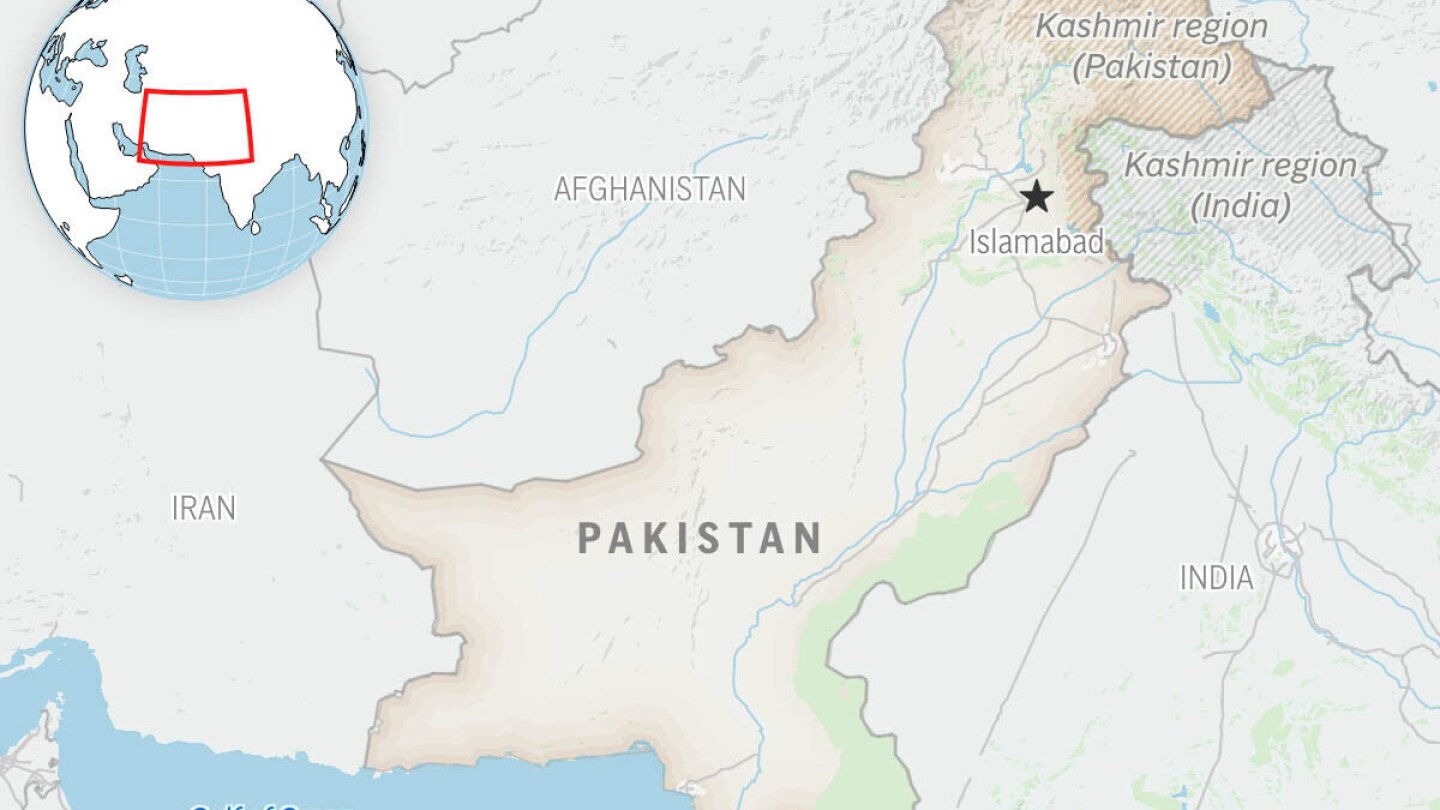
Pakistani and Afghan forces exchanged gunfire along their shared border late Friday, each side accusing the other of initiating the clash that tested a fragile two-month ceasefire. No casualties or damage were reported in the incident, which occurred near the strategic Chaman border crossing.
Mohammad Sadiq, a Pakistani police official, claimed Afghan forces fired first, prompting Pakistani troops to return fire. Meanwhile, Taliban government spokesman Zabihullah Mujahid countered on social media platform X that Pakistan “once again launched attacks on Afghanistan in the Spin Boldak district of Kandahar, forcing the forces of the Islamic Emirate to respond.”
Abidullah Farooqi, speaking for the Afghan border police, provided more detail, alleging that Pakistani forces threw a hand grenade into Afghan territory before Afghan forces responded. Despite the clash, he insisted Afghanistan remains committed to maintaining the ceasefire agreement.
The skirmish comes just one day after Pakistan announced it would allow the United Nations to resume sending humanitarian aid into Afghanistan through the Chaman and Torkham border crossings. These vital transit routes have been largely closed for nearly two months amid deteriorating relations between the neighboring countries.
Mosharraf Zaidi, spokesperson for Pakistani Prime Minister Shehbaz Sharif, reinforced Pakistan’s position that the firing was unprovoked, stating on X that Pakistani forces “remain fully alert and committed to ensuring the country’s territorial integrity and the safety of its citizens.”
This incident highlights the persistent tensions between the two nations despite a Qatar-mediated ceasefire established in October. That agreement followed some of the worst fighting seen in years between the two countries, when deadly border clashes killed dozens of soldiers, civilians, and suspected militants while wounding hundreds more on both sides.
The October violence erupted after explosions in Kabul on October 9, which the Taliban government attributed to Pakistan and vowed to avenge. Though the Qatari intervention temporarily cooled tensions, subsequent peace negotiations in Istanbul failed to produce a lasting agreement.
Relations between Islamabad and Kabul have deteriorated significantly since the Taliban returned to power in Afghanistan in August 2021. A major point of contention has been Pakistan’s allegation that the Afghan Taliban is providing safe haven to the Tehrik-e-Taliban Pakistan (TTP), also known as the Pakistani Taliban.
While the TTP is technically a separate organization from the Afghan Taliban, the groups share close ideological ties. Pakistani security officials have long maintained that TTP fighters have found refuge in Afghanistan, using the territory to plan and launch attacks inside Pakistan.
The border region between the two countries, particularly around the Chaman and Torkham crossings, holds immense strategic and economic significance. These routes are crucial for trade and serve as lifelines for humanitarian aid entering landlocked Afghanistan, which faces severe economic challenges and food insecurity.
The decision by Pakistan to reopen these crossings for UN aid shipments represented a potential thaw in relations, making the timing of this latest exchange of fire particularly concerning for regional stability efforts.
International observers remain watchful of developments along the Afghanistan-Pakistan border, as continued instability could further complicate humanitarian efforts in Afghanistan and potentially create wider regional security challenges.
Neither government has announced plans to engage in fresh negotiations following this incident, leaving the fate of the Qatar-brokered ceasefire uncertain as both sides maintain their contradictory narratives about who bears responsibility for the latest clash.
Fact Checker
Verify the accuracy of this article using The Disinformation Commission analysis and real-time sources.

7 Comments
The timing of this incident, just a day after Pakistan announced the reopening of vital border crossings for humanitarian aid, is unfortunate. All parties must prioritize the wellbeing of local communities over political posturing.
You make a good point. Maintaining open borders for aid delivery should be a top concern, regardless of political tensions.
It’s troubling to see the ceasefire tested so soon. Both Pakistan and Afghanistan must demonstrate restraint and a genuine commitment to resolving their differences through dialogue. The people of the region deserve peace and security.
While the lack of casualties is positive, this exchange of fire is still a concerning development. Continued clashes along the border could undermine efforts to foster regional stability and cooperation.
Tensions remain high along the Pakistan-Afghanistan border, despite the fragile ceasefire. It’s concerning to see both sides accusing the other of initiating the latest clash. Maintaining stability in the region is crucial for the wellbeing of local communities.
This border dispute is a reminder of the complex geopolitical dynamics in the region. Hopefully, the governments can work to de-escalate the situation and uphold the ceasefire agreement. Open communication and a commitment to peace will be key.
Agreed. Avoiding further escalation and finding diplomatic solutions should be the priority here.