


Listen to the article
Trump’s U.N. Deputy Nominee Calls for “Bold Reform” During Senate Hearing
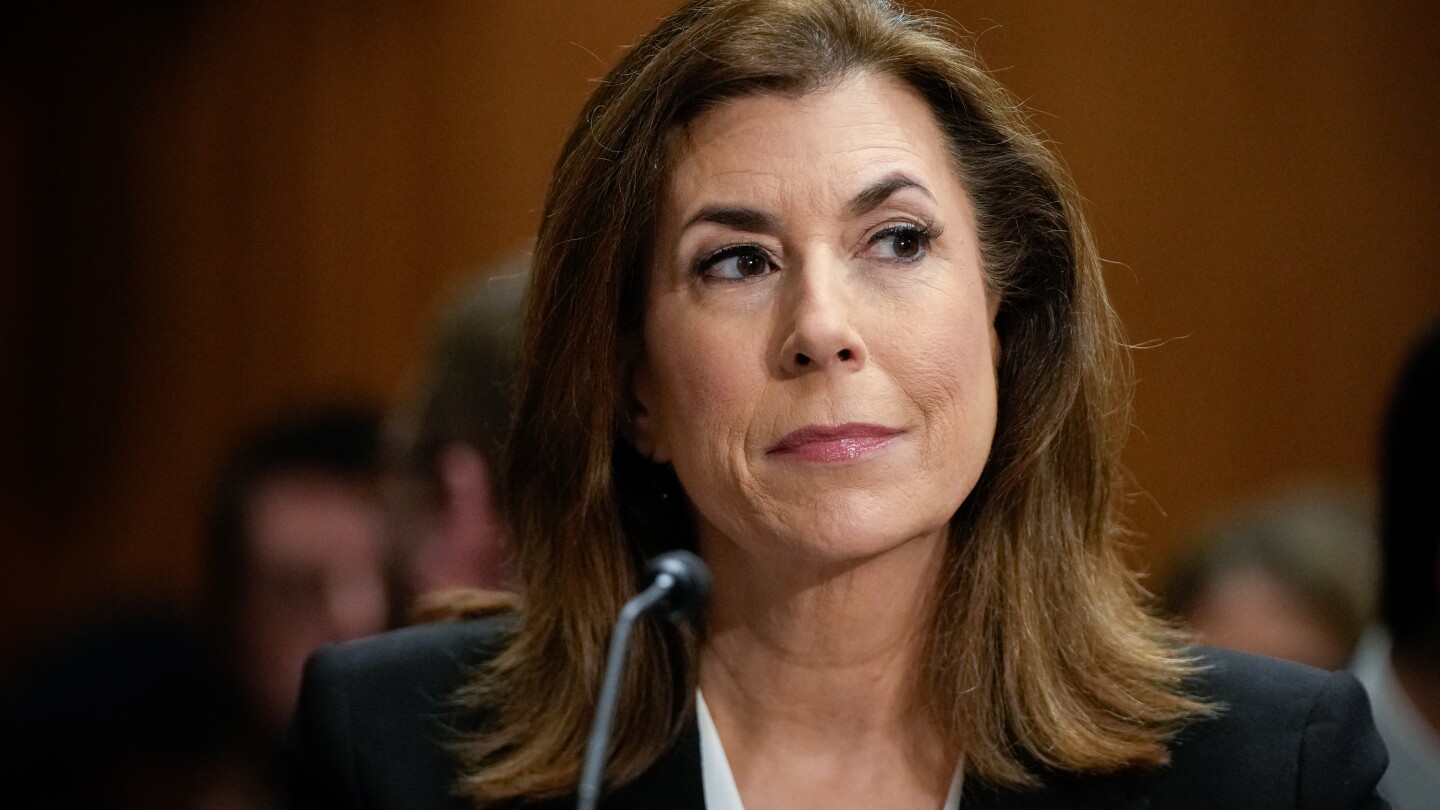
President Donald Trump’s nominee for U.S. deputy ambassador to the United Nations, Tammy Bruce, advocated for substantial changes to the international organization during her Senate confirmation hearing Wednesday, describing the U.N. as “bloated, unfocused and ineffective.”
Speaking before the Senate Foreign Relations Committee, Bruce argued that the United Nations has lost the American public’s confidence and needs to refocus on its core mission of maintaining international peace and security.
“I believe the U.N. is important and must be revitalized so it can continue to serve the people of the United States and the people of the world,” said Bruce, who previously served as a State Department spokesperson and Fox News Channel contributor.
Bruce pointed to this week’s Security Council endorsement of Trump’s Gaza peace plan as evidence that nations working collaboratively can facilitate meaningful progress. The Council’s backing comes after two years of devastating conflict in the region, marking a rare moment of consensus on Middle East policy.
The hearing highlighted sharp partisan divisions over U.N. priorities. Committee Chairman Senator James Risch, who described himself as “no fan” of the organization, pressed Bruce on how she would “course correct the U.N. from the horrible antisemitic course it is on” if confirmed.
Bruce responded firmly that the Trump administration “cannot and will not support the proliferation of divisive concepts like DEI and gender ideology as well as a continuation of hateful anti-Israel bias.” This stance aligns with broader Republican criticisms of what they perceive as institutional bias against Israel within U.N. bodies.
Democratic Senator Jeanne Shaheen, the committee’s ranking member, raised concerns about the implications of U.S. financial policies toward the organization. Shaheen noted that America’s failure to fully pay its U.N. dues “is weakening peacekeeping when global stability is already under strain” and questioned how Bruce would address this challenge.
The issue of U.N. funding remains contentious, as the United States is the largest financial contributor to the organization but has periodically withheld or delayed payments over policy disagreements. These funding gaps have affected peacekeeping operations in conflict zones worldwide, where U.N. forces often serve as crucial buffers between warring factions.
Bruce emphasized her commitment “to ensuring U.S. funding to the U.N. advances policies and priorities that strictly add value to American taxpayers and American foreign policy interests,” suggesting a continuation of the Trump administration’s transactional approach to international organizations.
Trump appointed Bruce to the deputy representative position in August after she had spent approximately six months at the State Department. She has already been working at the U.S. Mission to the U.N. as a public delegate. If confirmed by the Senate, she will replace career diplomat Dorothy Shea as deputy ambassador.
Bruce’s nomination comes at a critical juncture for U.S.-U.N. relations. The Trump administration has frequently criticized the organization while simultaneously seeking to leverage its global platform for American priorities. This tension between criticism and engagement has characterized the administration’s approach to multilateral institutions broadly.
The hearing reflects larger debates about America’s role in global governance structures. While the U.S. remains indispensable to the U.N.’s functioning due to its financial contributions and Security Council veto power, questions persist about the extent to which the organization serves American interests.
As the confirmation process continues, Bruce’s nomination represents another chapter in the evolving relationship between the United States and the United Nations – a relationship that balances American sovereignty concerns with recognition of the benefits of multilateral diplomacy in addressing transnational challenges.
Fact Checker
Verify the accuracy of this article using The Disinformation Commission analysis and real-time sources.

10 Comments
The nominee raises some valid concerns about the UN’s efficiency and focus. However, caution is warranted – rash reforms could undermine the institution’s essential functions. A measured, collaborative approach is needed to identify areas for improvement while preserving the UN’s critical role.
Well said. The UN isn’t perfect, but it serves an important purpose. Any changes should be carefully considered to ensure they strengthen, not weaken, the organization’s ability to address global challenges.
The nominee’s comments highlight valid concerns about the UN’s effectiveness, but wholesale reform may not be the answer. The organization still serves an important purpose, even if it needs to adapt to evolving global dynamics. A balanced, collaborative approach is key to strengthening the UN’s capabilities.
Well put. The UN isn’t perfect, but it plays a vital role that shouldn’t be diminished. Constructive dialogue to identify specific areas for improvement, while preserving the institution’s core functions, seems the wisest path forward.
Reforming the UN is a complex challenge, but the nominee’s calls for change are understandable. The organization must evolve to remain relevant and effective in addressing global issues. However, any reforms should be carefully considered to avoid undermining the UN’s essential role in international cooperation and conflict resolution.
Agreed. The UN faces significant challenges, but it remains an important forum for global diplomacy. Reforms should aim to enhance the institution’s efficiency and accountability, not weaken its ability to fulfill its core mission.
Interesting to hear the nominee’s perspective on the need for reforms at the UN. While the organization may have its flaws, it still plays an important role in global diplomacy and conflict resolution. Reform should focus on improving efficiency and accountability, not weakening the UN’s core mission.
Agreed. Any reforms should aim to enhance the UN’s effectiveness, not diminish its influence. It’s a complex challenge, but constructive dialogue is key to finding the right balance.
Calling the UN ‘bloated, unfocused and ineffective’ seems overly harsh. While the organization certainly has room for improvement, it continues to play a vital part in maintaining international peace and security. Reforms should aim to enhance the UN’s core functions, not undermine them.
I agree. The UN isn’t without its flaws, but it remains a critical forum for global cooperation. Any reforms should focus on improving efficiency and accountability, not diminishing the institution’s essential role.