


Listen to the article
NATO’s Rutte Downplays U.S. Absence Amid Ukraine War Concerns
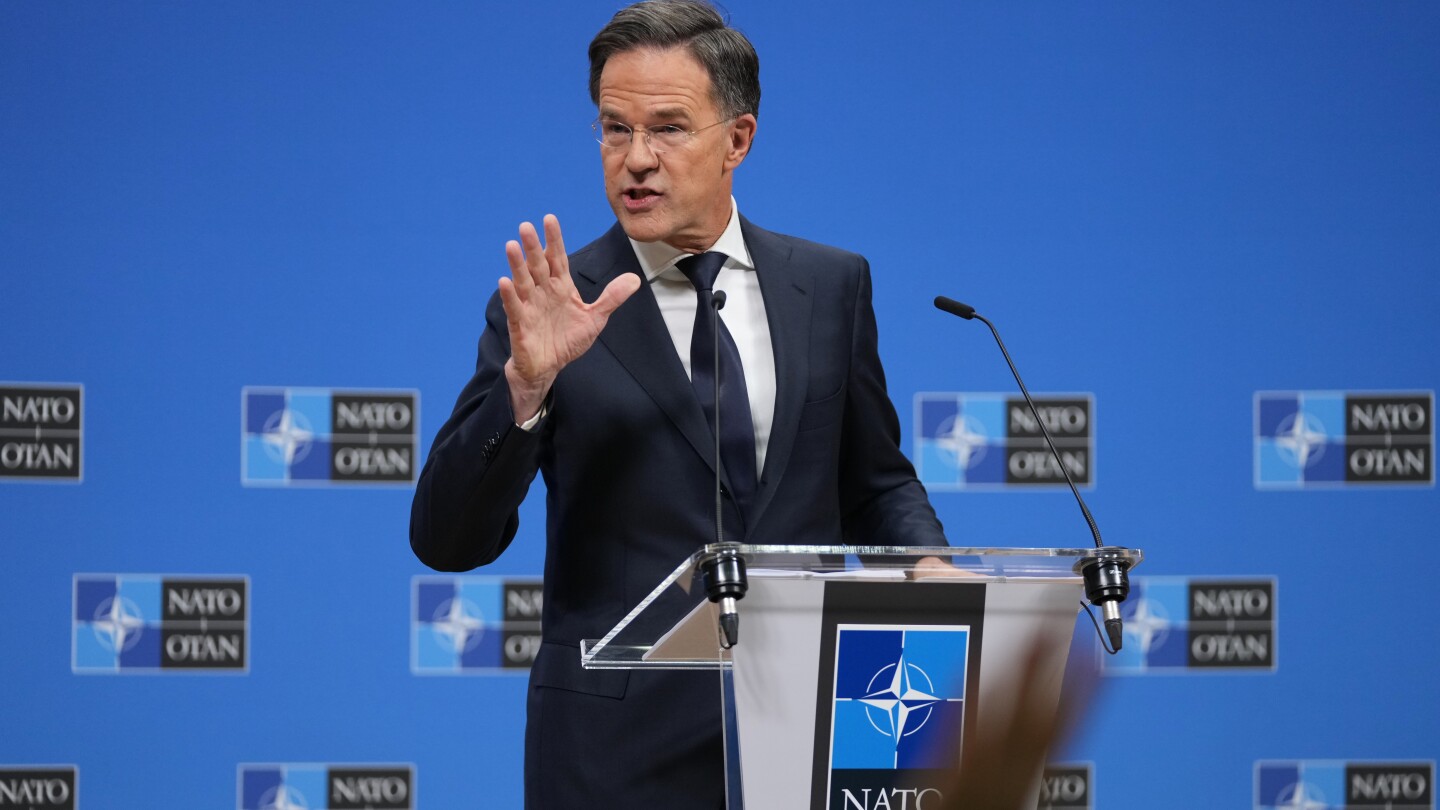
NATO Secretary-General Mark Rutte dismissed concerns Tuesday about the United States’ wavering commitment to the military alliance as allied foreign ministers prepare to meet on Russia’s ongoing war against Ukraine.
U.S. Secretary of State Marco Rubio will notably miss Wednesday’s gathering, which coincides with critical negotiations in Moscow and across Europe regarding Ukraine’s future. His absence from the American-led alliance comes at a sensitive moment, following President Donald Trump’s controversial 28-point peace proposal that alarmed European allies and Canada last month.
“He’s working extremely hard to take care not only of the situation of Ukraine, but of course many other issues which are on his plate,” Rutte told reporters ahead of the meeting. “I totally accept him not being able to be here tomorrow, and I would not read anything in it.”
A senior State Department official, speaking anonymously, explained that Rubio has already participated in dozens of meetings with NATO allies, making it “completely impractical to expect him at every meeting.” Deputy Secretary of State Christopher Landau will attend in his place, focusing on pressing allies to fulfill their commitment to invest 5% of GDP on defense.
The timing of Rubio’s absence is particularly notable as European allies increasingly view Russia’s invasion as an existential threat. Senior NATO officials have warned that Russian President Vladimir Putin might launch another attack on European soil within three to five years if he succeeds in Ukraine.
Trump’s draft peace plan has created significant tension within the alliance. The proposal suggested halting NATO expansion—a longstanding Russian demand—and indicated Ukraine would not be admitted to the organization, contradicting years of promises to Kyiv. It also proposed U.S.-mediated dialogue between Russia and NATO to resolve security issues and create business opportunities, raising questions about America’s ability to serve as an impartial mediator.
Rutte attempted to minimize these contentious elements, saying the plan has been substantially revised to address European concerns. “You need to start somewhere. You need to have proposals on the table,” he said, adding that “when it comes to the NATO elements of a deal to end the war against Ukraine, that will be dealt with separately. And that obviously will include NATO.”
Despite earlier pledges made at NATO’s Washington summit in 2024 regarding Ukraine’s membership, Rutte acknowledged political realities now make this impossible. “Right now, as you know, there is no consensus on Ukraine joining NATO,” he stated, noting opposition from the Trump administration, Hungary, and Slovakia.
At NATO’s recent summit in The Hague, Trump reassured European partners by affirming U.S. commitment to Article 5—the collective security guarantee that forms the foundation of the alliance. However, several subsequent remarks have seemed to position the United States as separate from the organization it has historically led.
“We’re selling a lot of weapons to NATO, and that’s going, I guess, to Ukraine for the most part,” Trump remarked during an October White House meeting with Finnish President Alexander Stubb. “That’s up to them, but they’re buying weapons from the U.S.”
Further complicating matters, Romania announced in October that the United States would reduce its military presence in the country by up to 3,000 troops as it pivots toward security threats in Asia and elsewhere. The administration is expected to announce its comprehensive troop movement plans in early 2026.
These developments come at a critical juncture for the 32-member alliance, as European nations face increasing pressure to take greater responsibility for their own defense while maintaining unity against potential Russian aggression. The uncertainty surrounding U.S. leadership creates challenges for NATO’s deterrence posture at precisely the moment when solidarity might be most crucial.
As ministers gather Wednesday, they face the complex task of navigating these tensions while formulating a coherent response to Russia’s ongoing war—all without the physical presence of NATO’s most influential member state representative.
Fact Checker
Verify the accuracy of this article using The Disinformation Commission analysis and real-time sources.

17 Comments
Production mix shifting toward World might help margins if metals stay firm.
Good point. Watching costs and grades closely.
Good point. Watching costs and grades closely.
Exploration results look promising, but permitting will be the key risk.
Good point. Watching costs and grades closely.
Exploration results look promising, but permitting will be the key risk.
Good point. Watching costs and grades closely.
Silver leverage is strong here; beta cuts both ways though.
Production mix shifting toward World might help margins if metals stay firm.
Good point. Watching costs and grades closely.
Interesting update on NATO chief dismisses concerns about US commitment to the alliance ahead of Ukraine meeting. Curious how the grades will trend next quarter.
Good point. Watching costs and grades closely.
Good point. Watching costs and grades closely.
Exploration results look promising, but permitting will be the key risk.
Interesting update on NATO chief dismisses concerns about US commitment to the alliance ahead of Ukraine meeting. Curious how the grades will trend next quarter.
Good point. Watching costs and grades closely.
Silver leverage is strong here; beta cuts both ways though.