


Listen to the article
UN Reports Slow Progress on Global Methane Reduction Efforts
Global efforts to reduce methane emissions are progressing at a disappointing pace, mirroring the inadequate action on carbon dioxide reduction, United Nations officials reported Monday from Belém, Brazil. Despite this setback, they remain cautiously optimistic about potential improvements over the next five years.
Martina Otto, head of the U.N.’s climate and clean air commission for methane pollution, emphasized that addressing methane emissions could serve as a crucial “hand brake” for slowing climate change. Methane from fossil fuels traps nearly 30 times more heat than carbon dioxide, but it remains in the atmosphere for a significantly shorter period—about 12 years compared to hundreds for CO₂.
“This shorter atmospheric lifetime means rapid reductions could deliver quick benefits for controlling global warming,” Otto explained during the briefing.
Current projections show that if countries fulfill their existing climate action commitments, global methane emissions in 2030 will be approximately 8% below 2020 levels. While this represents progress compared to the projected 13% increase that would occur without intervention, it falls far short of the 30% reduction target established in the 2021 U.N. global methane pledge.
“We’ve gained momentum,” Otto acknowledged. “We can still make it, but it takes a whole lot of additional effort.”
Independent analysis paints an even less encouraging picture. Bill Hare, CEO of Climate Analytics, noted that his organization’s Climate Action Tracker projections suggest methane emissions will remain relatively flat through 2030, neither growing nor shrinking significantly. Over the past six years, both carbon dioxide and methane emissions have grown at similar rates of approximately 4%.
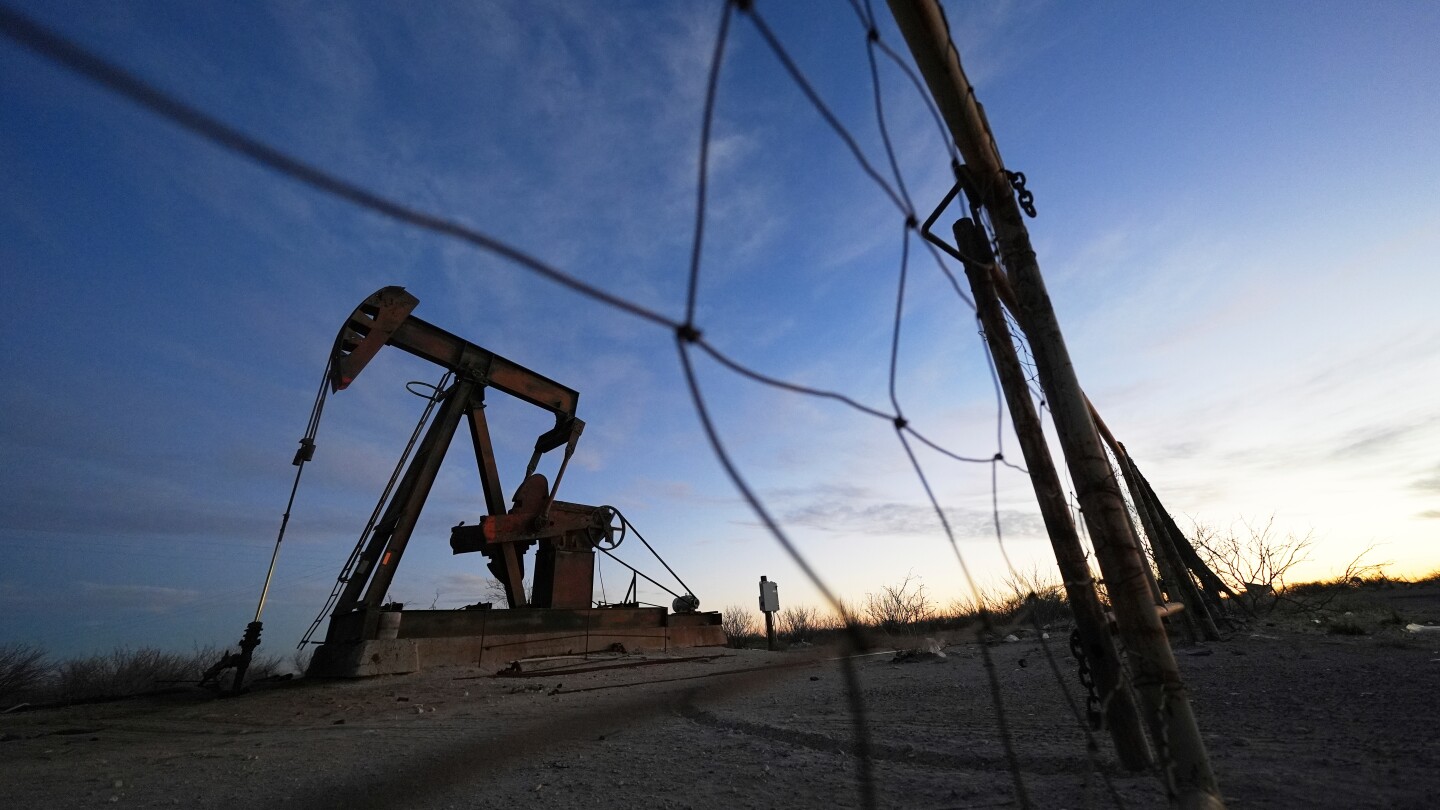
The energy sector represents a major opportunity for methane reduction. About 72% of human-caused methane emissions come from fossil fuel operations, where gas is often deliberately flared or accidentally leaked during extraction and processing. In many cases, companies could profitably capture this wasted resource.
“There’s a genuine economic opportunity being missed,” Otto pointed out. “Companies could actually make money by capturing methane that’s currently being leaked or flared at drilling sites.” However, she noted that while methane capture can be profitable, the return on investment still falls short compared to new exploration activities, creating a disincentive for energy companies to prioritize emissions reduction.
European energy and housing commissioner Dan Jørgensen offered a more positive assessment, citing “unparalleled action” to reduce methane emissions over the past five years. “It takes time to see results,” Jørgensen said. “Persistence and patience are key.”
The methane challenge comes amid increasing global concern about climate tipping points and acceleration of warming impacts. Methane’s potency as a greenhouse gas makes it a critical target for climate action, particularly as a way to buy time while longer-term carbon dioxide reduction strategies are implemented.
Oxford University’s Paul Behrens summarized the situation, saying, “This report shows some very hard truths but also a sliver of hope.”
The methane reduction shortfall highlights broader challenges in international climate cooperation. Despite growing recognition of methane’s role in climate change and the formation of initiatives like the Global Methane Pledge—which has attracted over 150 country signatories—translating commitments into tangible emissions reductions remains difficult.
Industry experts note that improved satellite monitoring technology is making methane leaks increasingly visible, potentially creating both regulatory pressure and reputational risk for companies that fail to address the issue. This technological advancement could help accelerate progress toward methane reduction targets in the coming years.
Fact Checker
Verify the accuracy of this article using The Disinformation Commission analysis and real-time sources.

7 Comments
Disappointing to hear methane emissions are still rising globally. However, the UN’s cautious optimism about potential improvements over the next 5 years is encouraging. Reducing methane could be a crucial ‘hand brake’ for slowing climate change if done quickly.
The article highlights the significant challenge of addressing methane pollution, which traps nearly 30 times more heat than CO2. While the projected 8% reduction by 2030 is progress, much more ambitious action is needed to truly curb this potent greenhouse gas.
You’re right, the 8% reduction by 2030 is not enough. Policymakers and industry need to accelerate methane mitigation efforts to capitalize on its shorter atmospheric lifetime and achieve faster climate benefits.
While the news of continued methane pollution increases is disappointing, I’m glad to see the UN highlighting the opportunity to utilize methane’s shorter atmospheric lifetime to slow climate change more quickly. This could be an important complementary strategy to long-term CO2 reductions.
I’m curious to learn more about the specific policies and technologies that could help drive faster methane reductions globally. The article mentions the UN’s ‘cautious optimism’ – what specific actions or breakthroughs might lead to the projected 8% drop by 2030?
Good point. The article doesn’t go into detail on the policy levers or technological solutions that could accelerate methane cuts. More transparency around these potential mitigation strategies would help understand the feasibility of the UN’s optimistic outlook.
Interesting to see the UN emphasizing the potential for rapid methane reductions to provide quicker climate change relief compared to CO2. This highlights the importance of tackling both long-term and short-term greenhouse gas sources.