


Listen to the article
Indonesia’s Death Toll Rises to 23 as Landslides, Floods Devastate Sumatra
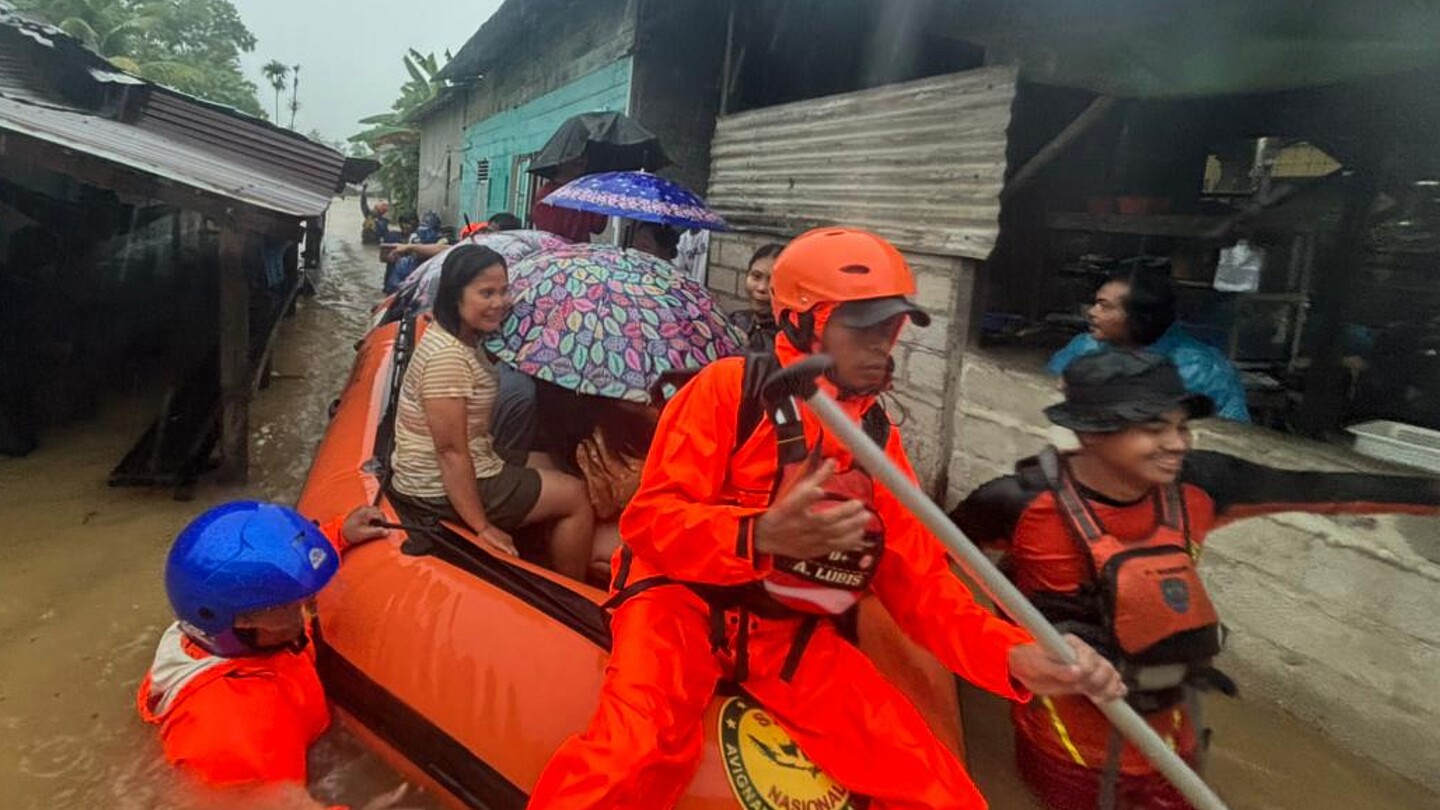
Rescuers have recovered more bodies in North Sumatra province, raising the death toll to 23 as flash floods and landslides continue to ravage Indonesia’s Sumatra island. More than two dozen people remain missing as search teams battle challenging conditions in the disaster-stricken region, officials confirmed Wednesday.
Emergency crews are struggling to reach affected areas across 11 cities and districts after days of torrential monsoon rains caused rivers to overflow, unleashing destructive flows of mud, rocks, and debris through hillside villages. The search efforts face significant obstacles, including widespread mudslides, power outages, and disrupted telecommunications networks.
In Sibolga city, one of the hardest-hit areas, rescue workers have recovered eight bodies and rescued three injured residents so far. Teams continue searching for at least 21 villagers reported missing in the area. The neighboring district of Central Tapanuli has seen a family of four killed by landslides, while flooding has submerged nearly 2,000 buildings, forcing approximately 1,900 people to evacuate to emergency shelters.
The situation in South Tapanuli district has worsened, with the death count reaching eight. Rescue personnel are digging through massive amounts of mud and debris to locate three people still buried. The disaster has uprooted trees and damaged infrastructure, compelling more than 2,800 residents to seek refuge in temporary shelters. At least 58 people have sustained injuries in the district.
“Bad weather, power blackouts, and mudslides hampered the rescue operation,” said Sibolga police chief Eddy Inganta. “Access remains limited as rescuers battle harsh conditions.”
The scale of destruction extends beyond human casualties. In North Tapanuli district, landslides have damaged 50 homes and destroyed at least two major bridges, severely impacting transportation infrastructure in the region. Floodwaters have also washed away a bridge in Mandailing Natal district and submerged hundreds of homes in both that district and neighboring Padang Sidempuan city, where one resident remains missing after being swept away.
Local authorities have established emergency shelters and urged residents in high-risk zones to evacuate immediately. Officials warn that continuing rainfall could trigger additional landslides in the hilly regions, where six landslides in Sibolga alone have already flattened 17 houses and a cafe.
The North Sumatra disasters coincide with the conclusion of relief efforts on Indonesia’s main island of Java, where the National Disaster Mitigation Agency officially ended operations after 10 days of searching for victims of similar landslides. Those disasters, which struck Central Java’s districts of Cilacap and Banjarnegara, claimed 38 lives, with 13 people still unaccounted for when operations ceased due to dangerous conditions.
Flooding has also affected other provinces across Indonesia, including Aceh and West Sumatra, where hundreds of homes have been inundated up to their roofs and major roads have been rendered impassable.
Indonesia, an archipelago nation of 17,000 islands with more than 280 million inhabitants, faces these natural disasters as a recurring challenge. The country’s geography, with millions living in mountainous areas or near floodplains, makes it particularly vulnerable to seasonal monsoon rains that typically occur from October to March.
The current disasters highlight the ongoing vulnerability of Indonesia’s rural communities to extreme weather events, which some experts suggest may be increasing in frequency and intensity due to climate change. The country’s disaster response capabilities continue to be tested by the challenging terrain and widespread nature of these incidents across the vast archipelago.
Local officials continue to coordinate evacuation and relief efforts as weather forecasts suggest the possibility of additional rainfall in the coming days.
Fact Checker
Verify the accuracy of this article using The Disinformation Commission analysis and real-time sources.

8 Comments
Sumatra is prone to natural disasters like this, but the scale of the destruction is still shocking. 23 dead and dozens missing is a tragic toll. I wonder what steps can be taken to better prepare and protect vulnerable communities in the future.
That’s a good question. Improving disaster response infrastructure and early warning systems could potentially save many lives in these kinds of events. But the challenges of the terrain and weather make it very difficult.
With the climate changing, we may see more frequent and intense extreme weather events like these in Indonesia and other parts of the world. It’s a sobering reminder of the importance of disaster resilience and emergency preparedness.
This is a tragic situation in Indonesia. Landslides and flash floods are so dangerous and destructive. My heart goes out to the victims and their families. I hope the rescue teams can safely reach and assist all those affected.
Agreed, this is devastating. The monsoon rains seem to have caused widespread damage and loss of life. I hope the recovery efforts can provide some relief to the impacted communities.
The scale of the damage and loss of life is heartbreaking. I hope the rescue and recovery efforts are able to provide aid and support to the affected families and communities. Natural disasters like this are a stark reminder of the importance of disaster preparedness.
This disaster highlights the vulnerability of communities living in high-risk areas. Effective disaster risk reduction and management strategies will be crucial going forward. My condolences to all those impacted by this terrible event.
Absolutely. Strengthening early warning systems, improving evacuation plans, and investing in resilient infrastructure could make a big difference in mitigating the effects of future disasters in Indonesia.