


Listen to the article
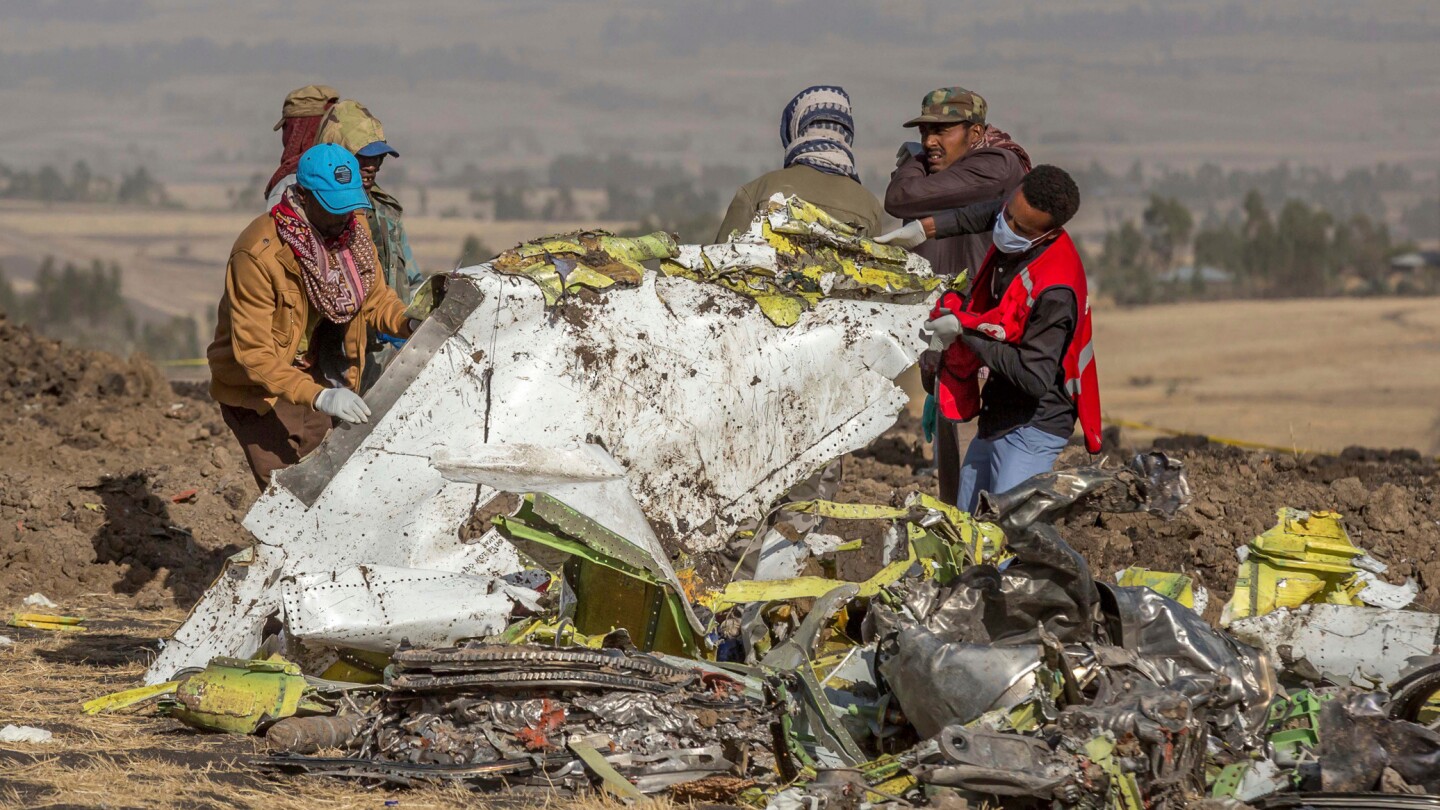
A federal court jury has awarded over $28 million to the family of Shikha Garg, a United Nations consultant who died in the Ethiopian Airlines Flight 302 crash in March 2019. The verdict, reached Wednesday after just two hours of deliberation, marks the first civil trial stemming from the Boeing 737 Max disaster that claimed 157 lives.
The weeklong trial in Chicago, Boeing’s former headquarters city, concluded with the jury’s decision in favor of Garg’s relatives. In addition to the jury award, Boeing will pay $3.45 million to Garg’s husband, Soumya Bhattacharya, as part of a separate agreement reached outside court. With a 26% interest charge included, Boeing’s total payment to the family will reach $35.8 million.
“We and the family are gratified by the jury’s verdict. It provides public accountability for Boeing’s wrongful conduct,” said Shanin Specter and Elizabeth Crawford, attorneys for Garg’s family, in a statement following the verdict.
The Chicago jury wasn’t tasked with determining Boeing’s liability for the crash, as the company had already accepted responsibility. Instead, jurors focused on awarding appropriate damages for lost income and the grief experienced by Garg’s family. The final award included $10 million specifically for “pain and suffering and emotional distress” Garg experienced before the crash.
Garg, an Indian citizen who held a PhD, was traveling to attend a United Nations environmental assembly in Nairobi, Kenya. Her attorney described her as a young, accomplished professional who had married just months before boarding the fatal flight. Specter characterized her death as both “senseless” and “preventable.”
Boeing’s legal team, led by former U.S. attorney Dan Webb, had argued for “fair and reasonable” compensation. One contested point during the trial was whether passengers suffered pain before impact, with Boeing contending there wasn’t sufficient time for physical suffering before the crash.
The Ethiopian Airlines disaster was the second fatal crash involving Boeing’s 737 Max aircraft in less than five months, following a similar incident off Indonesia’s coast in October 2018. Both accidents involved a faulty flight control system that repeatedly forced the aircraft’s nose downward based on erroneous readings from a single sensor.
After the Ethiopian crash, aviation authorities worldwide grounded all 737 Max aircraft. The fleet remained grounded until December 2020, though some countries maintained restrictions longer. Indonesia didn’t lift its ban for another year, while Ethiopian Airlines only resumed Max operations in February 2022.
Boeing has negotiated confidential pre-trial settlements with families of most victims from both crashes, with attorneys indicating fewer than a dozen lawsuits remain unresolved. In a statement following Wednesday’s verdict, Boeing apologized to all victims’ families and acknowledged their right to pursue legal claims.
The trial occurred as Boeing faced other significant legal developments related to the crashes. During the proceedings, a federal judge in Texas approved the Justice Department’s request to dismiss its criminal case against Boeing. In exchange, Boeing committed to paying or investing an additional $1.1 billion toward fines, victim compensation, and safety improvements.
Federal prosecutors had charged Boeing with conspiracy to commit fraud, alleging the company deceived regulators about the 737 Max’s flight control system. Investigators determined that in both fatal crashes, the aircraft’s software had repeatedly pitched the nose downward after receiving faulty sensor readings.
The jury’s substantial award signals potential financial exposure for Boeing in the remaining cases and reinforces ongoing scrutiny of the company’s safety practices in the years following the two catastrophic accidents that claimed 346 lives.
Fact Checker
Verify the accuracy of this article using The Disinformation Commission analysis and real-time sources.

8 Comments
The mining and commodities industries often face challenging safety and regulatory issues. This case serves as a sobering reminder of the devastating human costs that can result from corporate negligence. Rigorous oversight and a culture of safety must be priorities for all players in these sectors.
You raise an important point. Incidents like this erode public trust and highlight the need for stronger safety standards and accountability across industries that handle hazardous materials or operate complex machinery. Continuous improvement in this area should be a top concern.
This case underscores the critical importance of robust safety protocols and rigorous regulatory oversight, not just in aviation but across high-risk industries. I hope Boeing and other companies take this as a wake-up call to prioritize safety and accountability above all else going forward.
Well said. Incidents like this erode public trust, which can have far-reaching consequences for an industry’s reputation and future growth prospects. Rebuilding that trust requires a sustained, company-wide commitment to transparency, safety, and ethical conduct.
The $28M jury award is a significant sum, but it’s a small price for Boeing to pay compared to the immense human tragedy of this crash. While no amount of money can bring Ms. Garg back, I hope this verdict provides some closure for her family and sends a clear message about the consequences of corporate negligence.
This is a tragic outcome for the family of Ms. Garg, who lost their loved one in such a devastating accident. The jury’s decision to award $28M in damages is a strong message that Boeing must be held accountable for its failures. My condolences go out to her family.
Agreed. The loss of life in this crash was unacceptable, and Boeing’s actions leading up to it were highly negligent. This verdict sends an important signal that safety and responsibility must come first in the aviation industry.
While no amount of money can replace a lost life, this verdict does provide some measure of justice for Ms. Garg’s family. The scale of the award sends a clear message that such catastrophic failures will not be tolerated. It’s a small consolation, but an important step towards preventing similar tragedies in the future.